


| Country | Germany |
| Population | 1087353 |
| Area | 405.15 km2 (156.43 sq mi) |
| Time Zone | UTC+01:00 (CET) |
| Coordinates | 50.936388888888885, 6.952777777777778 |
| Highest elevation | 37 m (121 ft) |
City Gallery
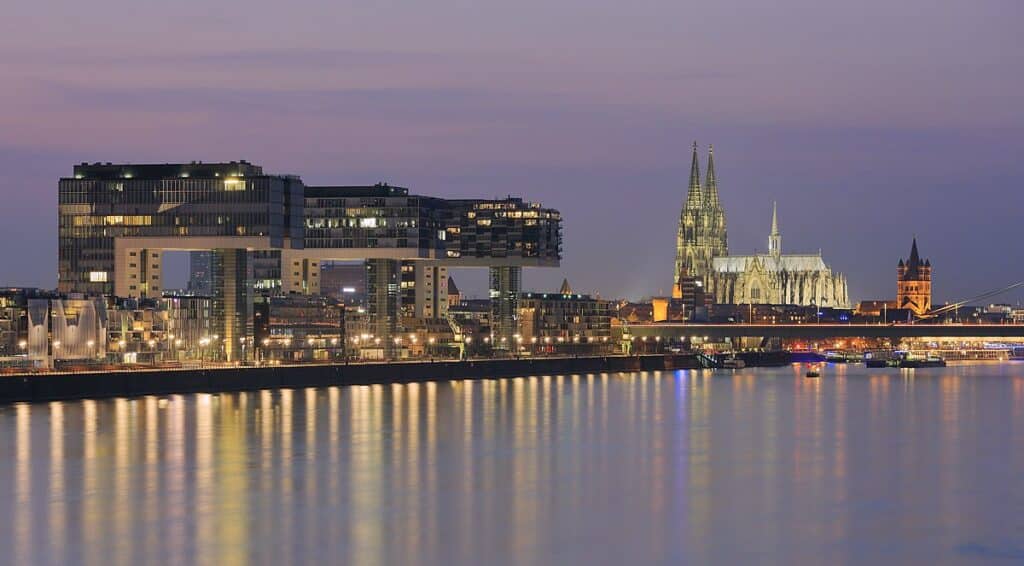

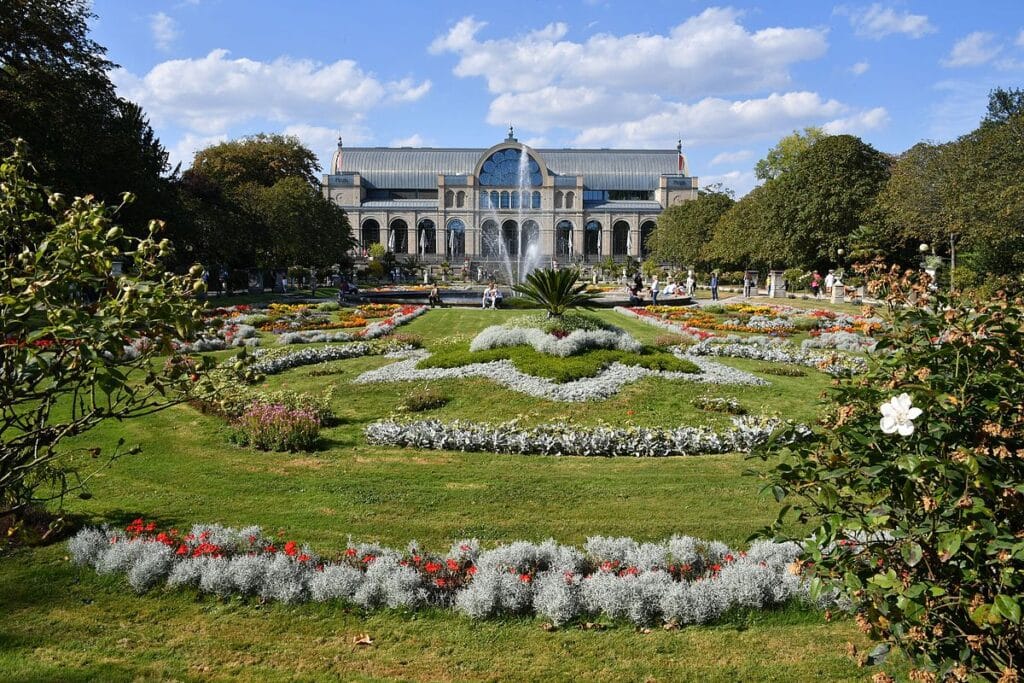
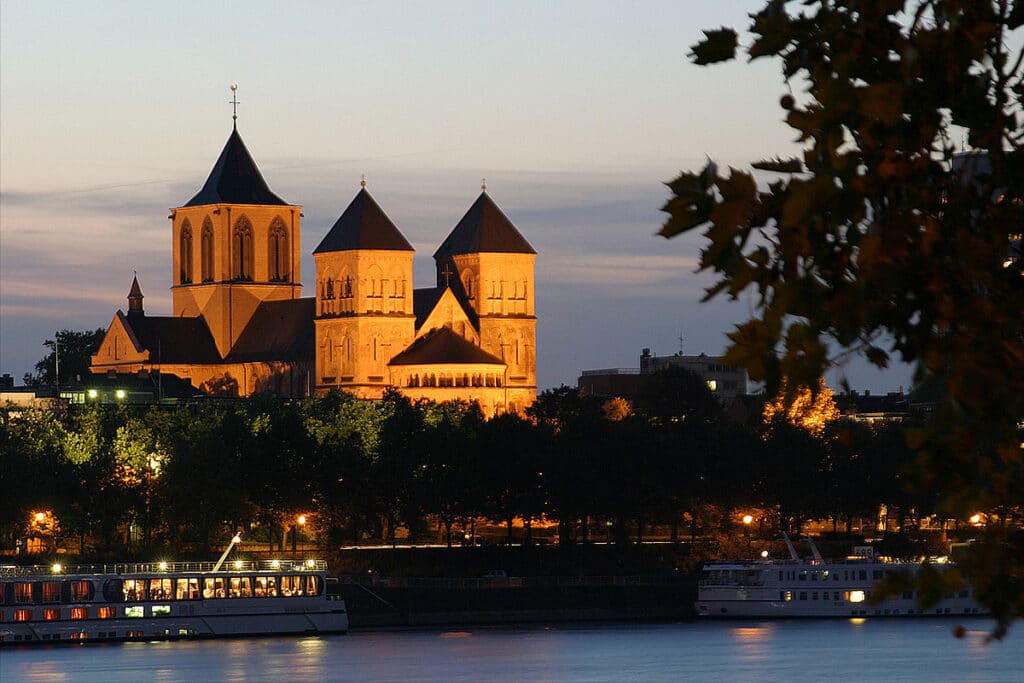


City Description
Cologne, or Köln as it’s known in German, is one of Germany’s most vibrant and historic cities. Located in the western part of the country, along the banks of the majestic Rhine River, Cologne is the fourth-largest city in Germany with a population of around 1.1 million people. Covering an area of about 405 square kilometers, it’s a lively and diverse metropolis that combines a rich history with a dynamic cultural scene and modern development. Known for its towering Gothic cathedral, bustling shopping streets, and its famous Carnival, Cologne is a city that effortlessly blends the old with the new.
The history of Cologne stretches back over 2,000 years to its founding by the Romans in 50 AD as Colonia Claudia Ara Agrippinensium. This Roman heritage is still visible today in the city’s architecture, such as the remains of the Roman walls, the old Roman Praetorium, and the impressive Roman-Germanic Museum, which houses ancient artifacts, including beautiful mosaics and sculptures. During the Middle Ages, Cologne became one of the most important trading hubs in the Holy Roman Empire, thanks to its strategic location on the Rhine. However, much of the city was destroyed during World War II, with about 90% of the city center flattened by Allied bombings. Cologne has since been meticulously rebuilt, preserving its historical charm while also embracing modernity.
Geographically, Cologne is situated on the plains of the North Rhine-Westphalia region, with the Rhine River cutting through the city. The city enjoys a temperate maritime climate, with mild winters averaging around 5°C (41°F) and warm summers where temperatures can reach up to 25°C (77°F). The city gets plenty of rain, around 800 mm (31 inches) annually, which keeps the parks and green spaces lush and vibrant. The banks of the Rhine are popular for walking, cycling, and boat tours, especially during the warmer months.
Culturally, Cologne is one of the most diverse and cosmopolitan cities in Germany. It’s often referred to as the country’s “media capital,” with numerous television and radio stations headquartered here, including WDR (Westdeutscher Rundfunk), one of Germany’s largest public broadcasting institutions. The city is also a hub for art and music, boasting over 30 museums and hundreds of galleries. One of the city’s most famous cultural landmarks is the Cologne Cathedral (Kölner Dom), a UNESCO World Heritage site that attracts millions of visitors every year. It took over 600 years to complete, with its two spires reaching an impressive height of 157 meters, making it one of the tallest cathedrals in the world.
The city’s biggest cultural event is undoubtedly the Cologne Carnival, known as “the fifth season.” It officially begins on November 11th at 11:11 a.m. but reaches its peak during the week before Lent. During this time, the entire city turns into one big party, with parades, costumes, music, and endless celebrations. The streets fill with locals and visitors alike, all dancing, singing, and celebrating the spirit of Cologne. Another beloved tradition is the Kölsch beer, a local specialty brewed only in Cologne. It’s served in tall, thin glasses known as *Stangen*, and locals often enjoy it at traditional beer halls like Früh or Gaffel, where the atmosphere is lively and welcoming.
Cologne’s food scene is an exciting mix of traditional German fare and international influences. Local dishes include *Himmel un Ääd* (a hearty mix of mashed potatoes, apples, and blood sausage) and *Rheinischer Sauerbraten* (a marinated pot roast). The city is also known for its love of street food, with plenty of food trucks and market stalls offering everything from currywurst to Turkish döner kebabs. The bustling Ehrenfeld and Belgian Quarter neighborhoods are popular spots for foodies, offering trendy restaurants, cafés, and bars.
Economically, Cologne is one of Germany’s key economic centers, with a GDP of around €70 billion (about $75 billion USD) as of 2023. The city’s economy is driven by a mix of media, tourism, manufacturing, and logistics. The Cologne Trade Fair (Koelnmesse) is one of the largest trade fair grounds in the world, hosting international events like the Gamescom (Europe’s biggest gaming fair) and the Art Cologne fair. These events bring in thousands of visitors and contribute significantly to the local economy. The automotive and chemical industries also play a big role in the city’s economic landscape, with companies like Ford and Bayer having a strong presence here.
Cologne is also home to a growing tech scene, with many startups focusing on digital media, e-commerce, and software development. The city has been positioning itself as a tech hub in recent years, supported by initiatives to promote innovation and attract young entrepreneurs. The strong presence of universities, such as the University of Cologne and the Technical University of Cologne, contributes to a skilled workforce. The University of Cologne, one of the oldest and largest in Germany, attracts students from around the world, especially in fields like economics, social sciences, and law.
The real estate market in Cologne has been booming, driven by the city’s growing population and economic development. The average price for an apartment in the city center is around €6,500 per square meter (about $7,000 USD), although prices can be much higher in trendy neighborhoods like the Belgian Quarter and Südstadt. There’s a high demand for housing, especially among young professionals and families looking for both convenience and quality of life. New developments along the Rhine River, such as the Rheinauhafen district, combine modern architecture with stunning river views, attracting both locals and expats.
Education in Cologne is top-notch, with a focus on both academic and vocational training. In addition to its universities, the city has numerous international schools and research institutes, making it an attractive destination for expatriates with families. The literacy rate in Cologne is nearly 100%, and the city places a strong emphasis on lifelong learning and skills development.
Healthcare in Cologne is among the best in Germany, with several state-of-the-art hospitals like the University Hospital of Cologne providing advanced medical services. The city also has a high concentration of specialized clinics and private practices, ensuring that residents have access to top-quality healthcare. The public healthcare system in Germany ensures that everyone, including expatriates, has access to essential medical services.
Transportation in Cologne is highly efficient, thanks to its extensive public transport network. The city’s trams, buses, and U-Bahn (subway) system make getting around easy and convenient. Cologne is also a major railway hub, with its central train station (Köln Hauptbahnhof) located right next to the iconic cathedral. The station serves high-speed trains connecting Cologne to major cities like Berlin, Frankfurt, and Amsterdam. Cologne Bonn Airport, located about 15 kilometers from the city center, offers flights to destinations across Europe and beyond.
The people of Cologne are known for their friendly, laid-back attitude and strong sense of community. Life here is all about enjoying the moment, whether it’s spending an afternoon at the riverside parks, grabbing a drink at a local beer garden, or simply wandering through the old town. The city’s many parks, like the Volksgarten and Stadtgarten, are popular spots for families, joggers, and picnickers, especially during the warmer months.
For those who love history, Cologne offers endless opportunities to explore. The city’s old town, with its narrow cobblestone streets and medieval buildings, is a charming place to wander. The Romanesque churches, like St. Gereon and St. Martin, showcase Cologne’s rich architectural heritage. The city also has a quirky side, with museums dedicated to everything from chocolate (the famous Chocolate Museum) to modern art (Museum Ludwig).
Cologne is a city that embraces both tradition and innovation, where ancient Roman walls stand side by side with modern skyscrapers. Whether you’re here for its vibrant nightlife, rich cultural scene, or just to enjoy a cold Kölsch by the Rhine, Cologne is a city that leaves a lasting impression. It’s a place where you can experience the best of German hospitality, dive into centuries of history, and enjoy the lively, inclusive spirit that makes Cologne one of the most beloved cities in Germany.
Leave a Reply