


| Country | Kenya |
| Population | 1208333 |
| Area | 219.9 km2 (84.9 sq mi) |
| Time Zone | UTC+3 (EAT) |
| Coordinates | -4.05, 39.666666666666664 |
| Highest elevation | 50 m (160 ft) |
City Gallery



City Description
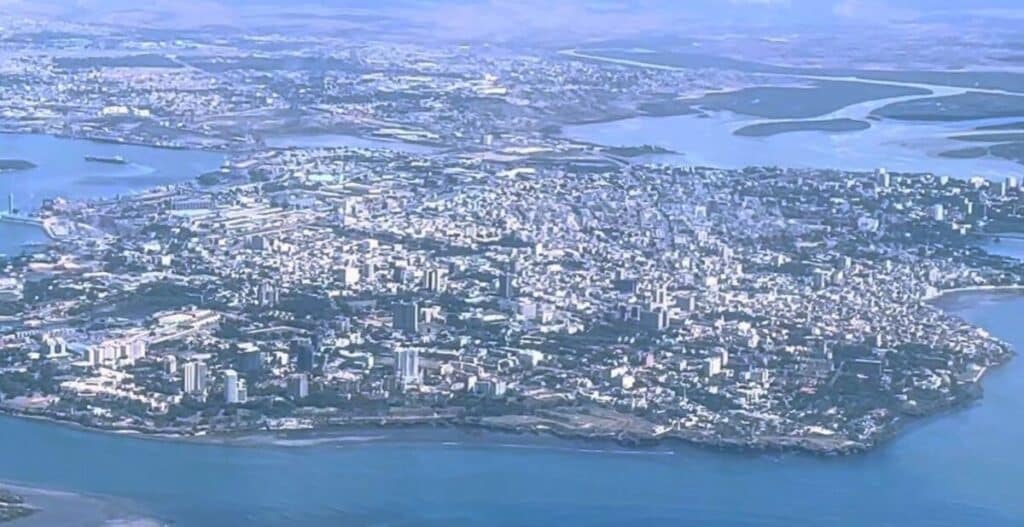
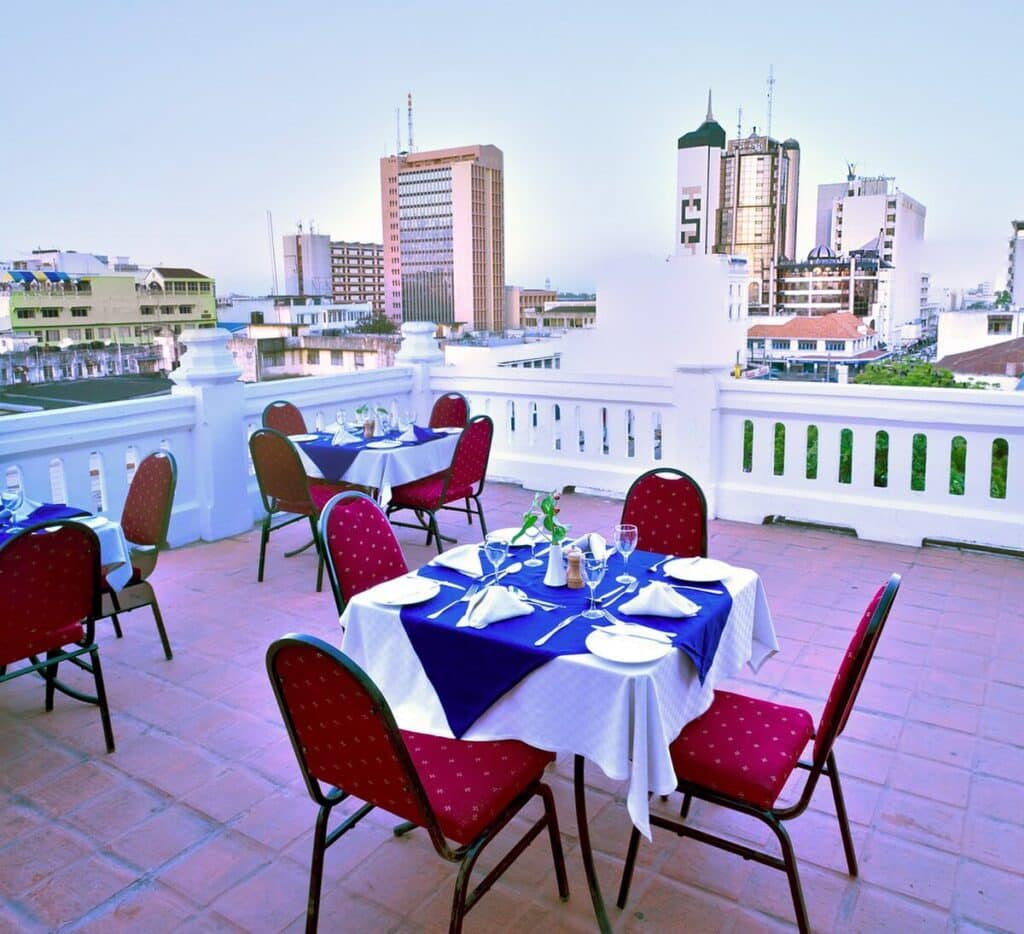
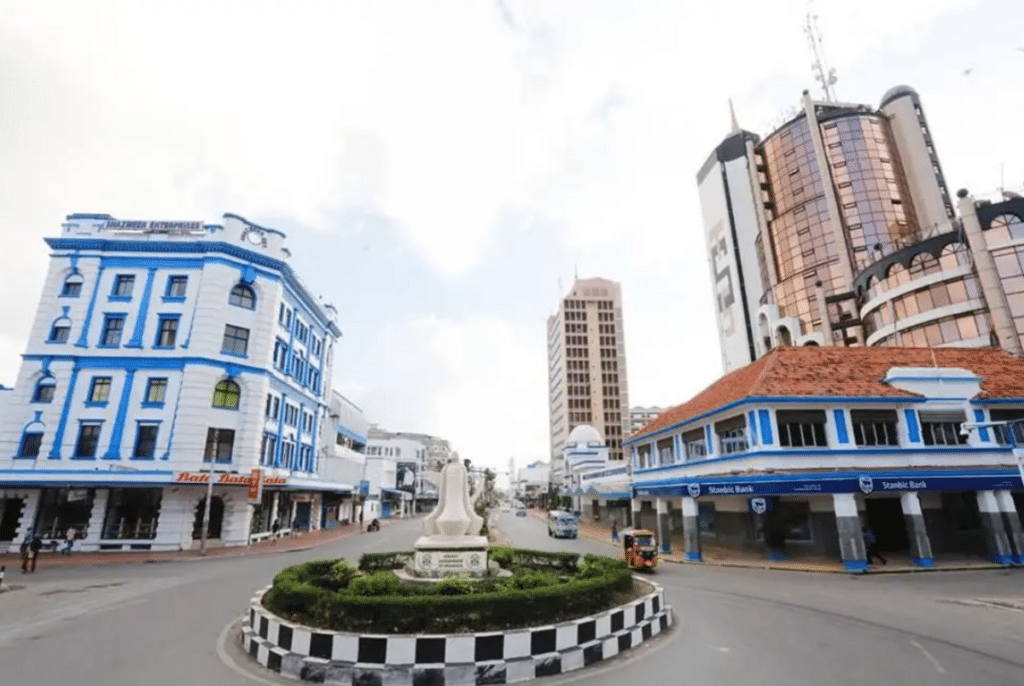
Mombasa, Kenya’s second-largest city, is a coastal gem that blends the vibrant cultures of Africa, Arabia, and Asia. Located along the Indian Ocean, Mombasa has a population of about 1.2 million people spread over an area of roughly 295 square kilometers. Known for its stunning beaches, historical sites, and rich cultural heritage, Mombasa serves as a vital gateway to East Africa due to its busy port, which is one of the largest and oldest on the continent. It’s a city where the salty sea breeze mixes with the aroma of spices, making it a unique and colorful destination.
The history of Mombasa is as rich and layered as the city itself. Founded over 1,000 years ago, Mombasa has been a crucial port city, with Arab, Persian, and later Portuguese traders all vying for control due to its strategic location. The Portuguese built the iconic Fort Jesus in 1593, which still stands today as a UNESCO World Heritage site and a testament to the city’s colonial past. Over the centuries, Mombasa has been shaped by Swahili, Arab, Indian, and European influences, creating a cosmopolitan atmosphere that you can still feel today. The old town, with its narrow streets, intricately carved wooden doors, and ancient mosques, is a beautiful reminder of this diverse history.
Geographically, Mombasa is situated on Mombasa Island, which is connected to the mainland by bridges and ferries. The city enjoys a tropical climate, with temperatures ranging between 24°C to 32°C throughout the year. The coastal breeze keeps things comfortable, although it can get quite humid, especially during the rainy seasons from April to June and October to November. Mombasa’s beaches, like Diani, Nyali, and Bamburi, are among the best in Kenya, attracting both locals and tourists who come to relax, swim, and enjoy water sports like snorkeling and diving.
Culturally, Mombasa is a melting pot, reflecting its history as a major trading port. The majority of the population is Swahili, but you’ll also find significant communities of Arabs, Indians, and Europeans. This diversity is best experienced through the city’s festivals and cuisine. During Ramadan, the streets come alive with food markets offering treats like *samosas*, *bhajias*, and *viazi karai*. The Maulidi Festival, celebrating the birth of the Prophet Muhammad, is a major event in the Swahili calendar, drawing crowds to Lamu and influencing celebrations in Mombasa as well. Music and dance, especially the traditional *Taarab* music, play a big role in the city’s culture, with performances often held during weddings and social gatherings.
Economically, Mombasa is one of Kenya’s key economic hubs, largely due to its strategic port, which handles about 80% of the country’s imports and exports. The port is a vital link not just for Kenya but also for landlocked neighbors like Uganda, Rwanda, and South Sudan. In 2022, the Port of Mombasa handled nearly 34 million tons of cargo, contributing significantly to the national GDP. The city’s economy is also driven by tourism, manufacturing, and services. The Mombasa Special Economic Zone has attracted investment in areas like food processing, textiles, and logistics, creating thousands of jobs.
Tourism plays a crucial role in Mombasa’s economy, contributing around $600 million USD annually. The city is known for its beautiful resorts, marine parks, and historical attractions. Visitors come from all over the world to experience the unique blend of sun, sand, and history. The nearby Haller Park, a former limestone quarry turned nature reserve, is a popular spot for families, where you can see giraffes, hippos, and giant tortoises. The city also serves as a gateway to Kenya’s stunning coastal regions, including the Lamu Archipelago and the Tsavo National Park.
The real estate market in Mombasa has seen steady growth, driven by demand for residential, commercial, and holiday properties. The average price for a property near the coast, especially in Nyali and Diani, ranges between Ksh 12 million to Ksh 30 million ($85,000 to $210,000 USD). With the completion of the Standard Gauge Railway (SGR) connecting Nairobi to Mombasa, more people are considering investing in the city, both for business and as a second home destination. The SGR has significantly cut travel time between Nairobi and Mombasa to about four hours, making it more convenient for commuters and tourists alike.
Education in Mombasa is a blend of public, private, and international schools. The Technical University of Mombasa and Pwani University are the leading higher education institutions, offering courses in engineering, maritime studies, and business management. The city’s literacy rate is relatively high at around 88%, reflecting Kenya’s focus on improving education over the past few decades. However, challenges remain, especially in providing quality education in informal settlements like Likoni and Kisauni.
Healthcare in Mombasa has seen improvements, with several public hospitals like Coast General Teaching and Referral Hospital providing essential services. In addition, private hospitals like Aga Khan and Mombasa Hospital offer specialized care. However, healthcare access is still an issue for many residents, particularly in low-income neighborhoods where clinics are often overcrowded. The city has been working to improve healthcare infrastructure, particularly maternal and child health services.
Transportation in Mombasa is a mix of modern and traditional. The iconic Likoni Ferry connects the southern mainland to the island and is used by thousands of commuters daily. Matatus (shared minibuses) and tuk-tuks are the most common forms of public transport within the city. The expansion of Moi International Airport and the construction of new roads have improved connectivity, but traffic congestion remains a challenge, especially during peak tourist seasons. The government has been working on decongesting the city by expanding the Mombasa-Nairobi highway and investing in the BRT (Bus Rapid Transit) system.
Mombasa’s people are known for their warmth and hospitality, often greeting visitors with the Swahili phrase *Karibu*, which means “welcome.” The sense of community is strong here, with neighbors often gathering for meals, celebrations, or simply to share stories over a cup of chai. The city’s markets, like the bustling Kongowea Market, are always full of life, with vendors selling everything from fresh seafood to colorful kangas (traditional fabrics).
The nightlife in Mombasa is lively, especially along the coast where beach bars and clubs play Swahili beats, reggae, and the latest hits well into the night. Areas like Bamburi and Nyali are popular spots for nightlife, attracting both locals and tourists looking to dance the night away or enjoy a drink by the sea.
For those who enjoy the outdoors, Mombasa offers plenty of activities. The Mombasa Marine National Park is perfect for snorkeling and diving, where you can explore vibrant coral reefs and swim among colorful fish. For a more laid-back experience, head to Fort Jesus for a dose of history and stunning views of the ocean. The fort’s thick walls have stood for over 400 years, witnessing battles, storms, and the passing of countless traders and explorers.
Mombasa is a city that is constantly evolving while holding onto its rich history and traditions. It’s a place where the call to prayer from ancient mosques blends with the sound of modern city life, where traditional dhow boats sail alongside modern cargo ships, and where the aroma of spices fills the air. Whether you’re interested in its bustling markets, exploring its historical sites, or simply relaxing on its beautiful beaches, Mombasa offers a unique experience that captures the spirit of the Kenyan coast.
Leave a Reply