

| Country | China |
| Population | 1389691 |
| Area | 3,825.2 km2 (1,476.9 sq mi) |
| Time Zone | UTC+8 (China Standard) |
| Coordinates | 41.117777777777775, 122.06527777777778 |
| Highest elevation | None |
City Gallery




City Description
Panjin, a lesser-known but fascinating city in China’s Liaoning Province, is a place that effortlessly combines natural beauty, a growing economy, and rich cultural traditions. With a population of around 1.4 million people, Panjin is not a bustling metropolis but rather a charming mid-sized city that has carved out a reputation for its stunning landscapes, particularly its famous Red Beach. Located about 150 kilometers southwest of Shenyang, the provincial capital, Panjin is a city that offers a unique mix of industrial strength and ecological wonders.
The history of Panjin is relatively young compared to many ancient Chinese cities. It was officially established as a city only in 1984, after being carved out from Yingkou and other nearby regions. However, its history as a settlement stretches back centuries, particularly during the Qing Dynasty, when the area was known for its fertile land and fishing communities. The city’s rapid development in the late 20th century was largely driven by the discovery of oil fields in the surrounding area, which transformed it into one of China’s key energy hubs.
Geographically, Panjin is located in the southern part of Liaoning Province, nestled along the Liaodong Bay in the Bohai Sea. The city is characterized by its expansive wetlands, which are home to diverse bird species and other wildlife. The most famous of these natural wonders is the Red Beach, a vast wetland area where a type of seaweed called “Suaeda salsa” turns bright red in the autumn, creating a surreal landscape that attracts tourists from all over China. The nearby Liaohe River Delta also provides a rich habitat for birds, making it a popular spot for birdwatchers, especially during migration seasons.
Culturally, Panjin is a blend of traditional Chinese customs with modern influences. The city has a strong connection to its agricultural and fishing roots, with local festivals celebrating the harvest season and the bounty of the sea. The annual Panjin Red Beach International Marathon is a popular event that draws runners from across the country, showcasing the city’s beautiful natural scenery. Panjin is also known for its traditional Chinese opera performances and folk music, which are often staged during festivals and cultural events. The city’s residents are known for their warmth and hospitality, always eager to share their local customs with visitors.
Panjin’s food scene is a treat for anyone who enjoys fresh seafood and hearty northern Chinese cuisine. The city’s proximity to the Bohai Sea means that seafood, especially crab, shrimp, and fish, is a staple here. One of Panjin’s most famous dishes is “Panjin river crab,” known for its rich, buttery flavor and is best enjoyed in the autumn months. The local “guobaorou” (crispy pork) and “jianbing” (savory crepes) are also popular street foods that you’ll find in the bustling night markets. For those with a sweet tooth, Panjin offers traditional treats like “nian gao” (sticky rice cakes) that are especially popular during Chinese New Year.
Economically, Panjin is an industrial powerhouse, largely thanks to its oil fields, which were discovered in the 1960s. The Liaohe Oil Field, one of the largest in China, has been a major driver of the city’s economy. The petrochemical industry remains a significant employer, providing jobs for thousands of local residents. However, Panjin has been diversifying its economy in recent years, focusing on sustainable development, agriculture, and tourism. The city has invested in expanding its agricultural output, particularly in rice and aquaculture, making it one of the leading producers of high-quality rice in northern China.
The local government has been proactive in promoting eco-tourism, with the Red Beach Scenic Area becoming a key attraction that draws millions of visitors each year. This focus on tourism has also spurred the growth of the hospitality industry, with new hotels, resorts, and restaurants opening to cater to the influx of tourists. Panjin’s commitment to balancing industrial development with environmental protection has made it a model for sustainable urban growth in China.
Human resources in Panjin are supported by several educational institutions, including Panjin Vocational and Technical College, which focuses on training students in fields like petrochemicals, engineering, and agriculture. The city’s proximity to larger academic centers like Shenyang and Dalian also provides access to a broader talent pool. Panjin’s workforce is known for its technical skills, particularly in the petrochemical sector, thanks to years of experience in the industry.
Healthcare in Panjin has been steadily improving, with a mix of public and private hospitals providing quality medical services to residents. The Panjin Central Hospital is one of the largest healthcare facilities in the city, offering specialized treatments and serving as a teaching hospital for medical students. The local government has been investing in expanding healthcare infrastructure, particularly in response to the needs of its aging population, as well as in rural areas to ensure broader access to medical care.
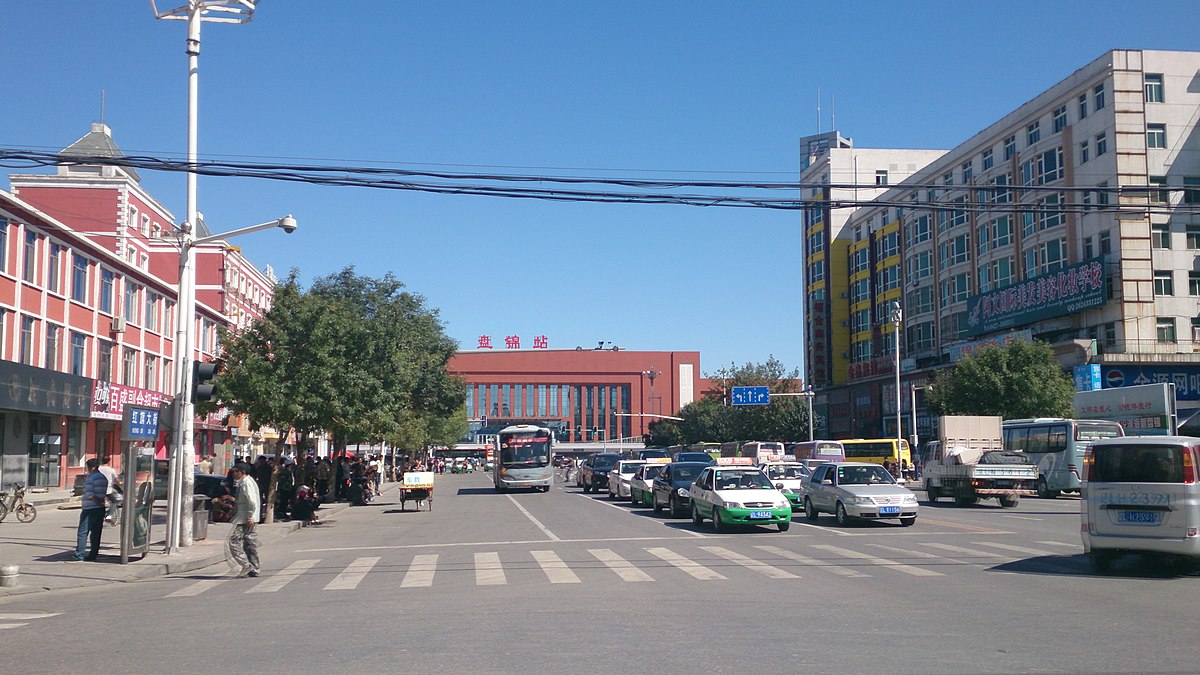
Transportation in Panjin is modern and efficient, making it easy to get around the city and beyond. The Panjin Railway Station connects the city to China’s extensive high-speed rail network, with trains to major cities like Beijing, Shenyang, and Dalian. The city is also well-connected by highways, making it a crucial transportation hub in northeastern China. Public buses and taxis are readily available within the city, and plans are underway to expand the use of electric buses to reduce pollution and improve air quality.
For recreation, Panjin offers a mix of natural and cultural attractions. The Red Beach Scenic Area is the most famous, where visitors can walk along wooden pathways that stretch into the vivid red wetlands. The area is also home to a nature reserve that protects various bird species, including the endangered red-crowned crane. For those interested in history, the nearby Gaizhou Ancient City and the Shuangtai Estuary Nature Reserve offer a glimpse into the region’s past and its natural beauty.
Despite its rapid development, Panjin faces challenges like balancing industrial growth with environmental sustainability. The city’s petrochemical industry has led to concerns about pollution, particularly in the Liaohe River. However, the local government has been implementing stricter environmental regulations and investing in green technology to address these issues. The focus on eco-tourism is part of a broader strategy to promote sustainable development, with efforts to protect the wetlands and the unique biodiversity of the region.
The people of Panjin are known for their hard-working spirit and adaptability. The city has a strong sense of community, with residents often gathering in parks, tea houses, or along the riverside to socialize and enjoy traditional pastimes like tai chi and Chinese chess. Mandarin is the predominant language spoken, though many locals also speak the Liaoning dialect, which adds to the city’s unique character.
Panjin is a city that embodies both tradition and progress. Whether you’re exploring the surreal beauty of the Red Beach, enjoying a plate of fresh river crab, or simply taking in the sunset along the Liaohe River, Panjin offers a unique experience that combines the best of natural wonders and modern industry. It’s a city that is steadily finding its place on the map, both as a key industrial hub in northeastern China and as a destination for those looking to experience something truly unique. As Panjin continues to grow and develop, it remains a testament to the resilience and ingenuity of its people, who are dedicated to building a brighter future while preserving the natural beauty that makes their city special.
Leave a Reply