

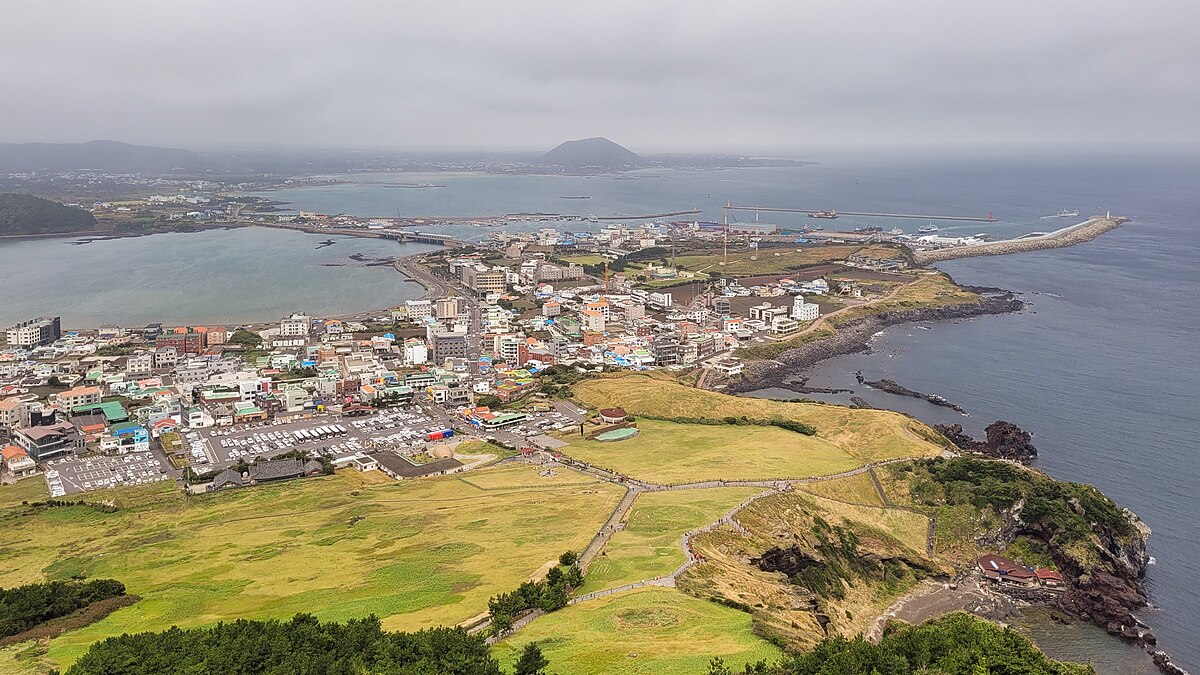
| Country | South Korea |
| Area | 977.8 km2 (377.5 sq mi) |
| Time Zone | None |
| Coordinates | 33.51305555555555, 126.52305555555556 |
| Highest elevation | None |
City Gallery




City Description
Jeju, known as the “Hawaii of South Korea,” is an island city that offers a unique blend of stunning natural beauty, rich history, and vibrant culture. Located off the southern coast of the Korean Peninsula, Jeju City is the capital of Jeju Province and serves as the gateway to the rest of Jeju Island, which is the largest island in South Korea. With a population of about 500,000 people as of 2023, Jeju City is a bustling yet laid-back destination, attracting millions of visitors each year looking to experience its volcanic landscapes, beautiful beaches, and warm hospitality.
Geographically, Jeju Island is a volcanic island formed around two million years ago and is dominated by Hallasan, the highest mountain in South Korea, standing at 1,947 meters (6,388 feet). The island covers an area of about 1,849 square kilometers, and its rugged terrain includes lava tubes, craters, and cliffs formed by ancient volcanic activity. Jeju’s climate is classified as humid subtropical, with mild winters where temperatures rarely drop below 3°C (37°F) and hot, humid summers reaching up to 30°C (86°F) in August. The island receives a good amount of rainfall, especially during the monsoon season from June to September, with an annual average of about 1,600 mm, keeping its landscapes lush and green.
The history of Jeju is as fascinating as its geography. Known historically as Tamna, Jeju was once an independent kingdom before it was incorporated into the Korean Peninsula during the Goryeo Dynasty in the 12th century. The island’s isolation allowed it to develop its own distinct culture and traditions, which are still evident today. For centuries, Jeju was a place of exile during the Joseon Dynasty, where political dissidents and criminals were sent. The island’s unique traditions, like the iconic stone statues known as *dol hareubang* (grandfather stones), can be seen everywhere and are believed to be protectors of the island. Another unique aspect of Jeju’s history is the *haenyeo* (female divers), who have been diving for seafood without breathing equipment for centuries, symbolizing the resilience and spirit of Jeju’s women.
Culturally, Jeju is different from mainland Korea in many ways. The islanders speak their own dialect, which can be difficult for even native Korean speakers to understand. Traditional Jeju houses, known for their thatched roofs and basalt stone walls, can still be found in villages like Seongeup Folk Village. Festivals play an important role in the island’s culture, with the Jeju Fire Festival being one of the most popular events. Held every March, the festival celebrates the island’s traditional practice of burning old grass to prepare fields for the new season. The Jeju Olle Walking Festival is another highlight, encouraging people to explore the island on foot along its scenic Olle Trails.
Food is an integral part of Jeju’s culture, with the island famous for its fresh seafood and unique agricultural products. *Heukdwaeji* (black pork) is one of Jeju’s culinary icons, known for its tender and flavorful meat that’s often grilled right at the table. The island’s seafood, including abalone, octopus, and sea urchin, is some of the freshest you’ll find in South Korea, thanks to the *haenyeo* divers who continue to harvest it traditionally. Jeju is also famous for its *hallabong* oranges, a sweet citrus fruit that’s a favorite souvenir among tourists. For a refreshing treat, try *jeonbok juk* (abalone porridge) or *bingtteok* (sweet rice flour crepes filled with radish and pork).
Economically, Jeju’s biggest industries are tourism, agriculture, and fishing. The island draws nearly 15 million visitors annually, both domestic and international, making tourism a vital part of its economy. Jeju is known for its natural wonders, like the UNESCO World Heritage sites of Hallasan National Park, Seongsan Ilchulbong (Sunrise Peak), and the Manjanggul Lava Tube, which attract nature lovers, hikers, and adventurers. Additionally, the island’s clean air and scenic landscapes have turned it into a popular destination for wellness tourism, with a growing number of resorts, spas, and wellness retreats.
Agriculture is another key economic driver, with Jeju’s fertile volcanic soil ideal for growing crops like tangerines, green tea, and sweet potatoes. The island is also known for its horse breeding industry, with Jeju horses historically used by the Korean military and now bred for both tourism and racing. Jeju’s fishing industry remains strong, supported by its rich coastal waters teeming with fish, squid, and shellfish.
In recent years, Jeju has been positioning itself as a center for technology and renewable energy. The local government has ambitious plans to turn Jeju into a “carbon-free island” by 2030, investing in electric vehicle infrastructure and renewable energy sources like wind and solar power. The island has also seen growth in its tech sector, with several startups focusing on AI, IoT, and green technologies, particularly in the Jeju Science Park.
Jeju’s human resources are supported by its educational institutions, such as Jeju National University, which offers courses in marine science, agriculture, and tourism management. The island’s younger population is increasingly interested in careers related to tourism, hospitality, and tech, reflecting the changing economic landscape. The local government is also focused on attracting talent to the island by offering incentives for businesses and startups.
Transportation in Jeju is well-developed, making it easy for visitors to explore the island. The Jeju International Airport is one of the busiest in South Korea, with frequent flights connecting it to Seoul, Busan, and even international destinations like Japan and China. Within the island, public buses, taxis, and rental cars are the main modes of transport, with rental cars being especially popular for tourists who want to explore Jeju’s scenic routes at their own pace. The Olle Trails, a network of walking paths that stretch for over 400 kilometers, offer a more eco-friendly way to experience the island’s natural beauty.
The quality of life in Jeju is high, particularly for those who appreciate a slower, more relaxed pace compared to the hustle and bustle of mainland cities like Seoul. The island is known for its clean environment, fresh air, and abundant green spaces. Coastal trails, waterfalls like Cheonjiyeon and Jeongbang, and the lush forests of Hallasan National Park make Jeju a paradise for outdoor enthusiasts. Many locals and expats alike enjoy the island’s balance of modern amenities and natural beauty, making it a popular spot for retirement or remote work.
Jeju’s neighborhoods range from the busy downtown area of Jeju City, with its shopping streets, restaurants, and cafes, to quieter coastal towns like Seogwipo, known for its beautiful cliffs and waterfalls. The neighborhoods around Aewol and Hallim have seen growth in recent years, with trendy cafes, guesthouses, and restaurants popping up to cater to tourists and locals alike. The island’s real estate market has been booming, with many South Koreans buying second homes or investing in properties for short-term rentals.
The people of Jeju, known as *Jeju-do min*, are known for their warm hospitality and strong sense of community. Life here revolves around family, festivals, and maintaining traditions passed down through generations. Markets like Dongmun Market and Seogwipo Maeil Olle Market are bustling with locals buying fresh produce, seafood, and handmade goods. The island’s residents are deeply connected to their land and the sea, which continue to sustain their way of life.
Despite its idyllic setting, Jeju faces challenges such as balancing tourism growth with environmental preservation. The local government has been proactive in promoting sustainable tourism practices and protecting its natural resources. Initiatives like reducing single-use plastics, preserving coastal ecosystems, and promoting eco-friendly accommodations are all part of Jeju’s strategy to ensure that the island remains a paradise for future generations.
Jeju is a place where nature, history, and modernity coexist harmoniously. Whether you’re exploring the stunning landscapes of Hallasan, enjoying a bowl of *jeonbok juk* in a seaside restaurant, or simply watching the sunrise at Seongsan Ilchulbong, Jeju offers a unique experience that’s hard to find anywhere else in South Korea. It’s an island that invites you to slow down, breathe in the fresh sea air, and discover the beauty of life at a different pace.
Leave a Reply