


| Country | Netherlands |
| Population | 549163 |
| Area | 98.13 km2 (37.89 sq mi) |
| Time Zone | UTC+01:00 (CET) |
| Coordinates | 52.080000000000005, 4.31 |
| Highest elevation | 1 m (3 ft) |
City Gallery




City Description
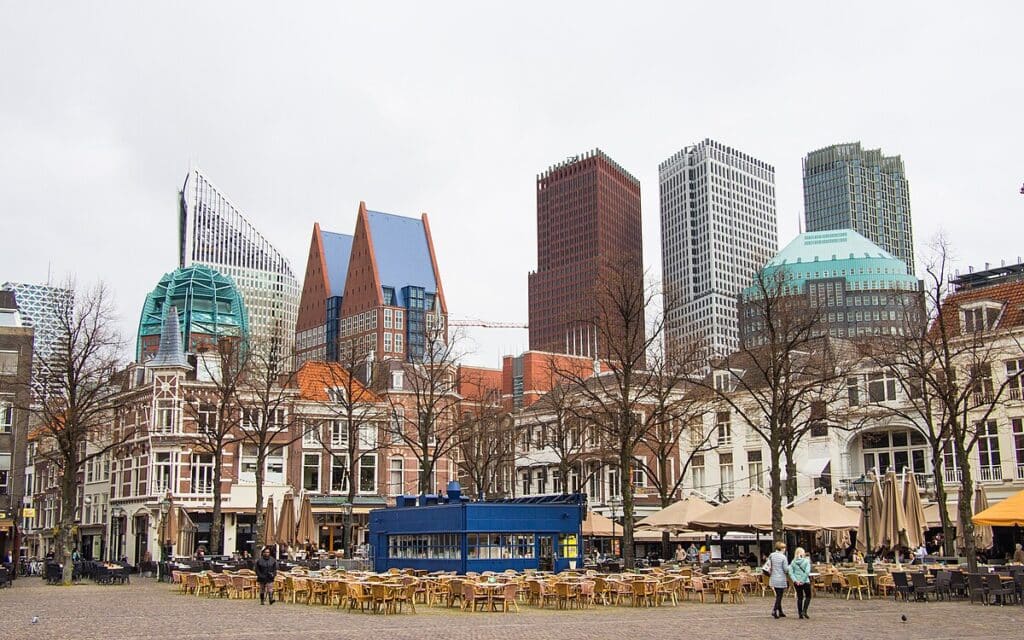
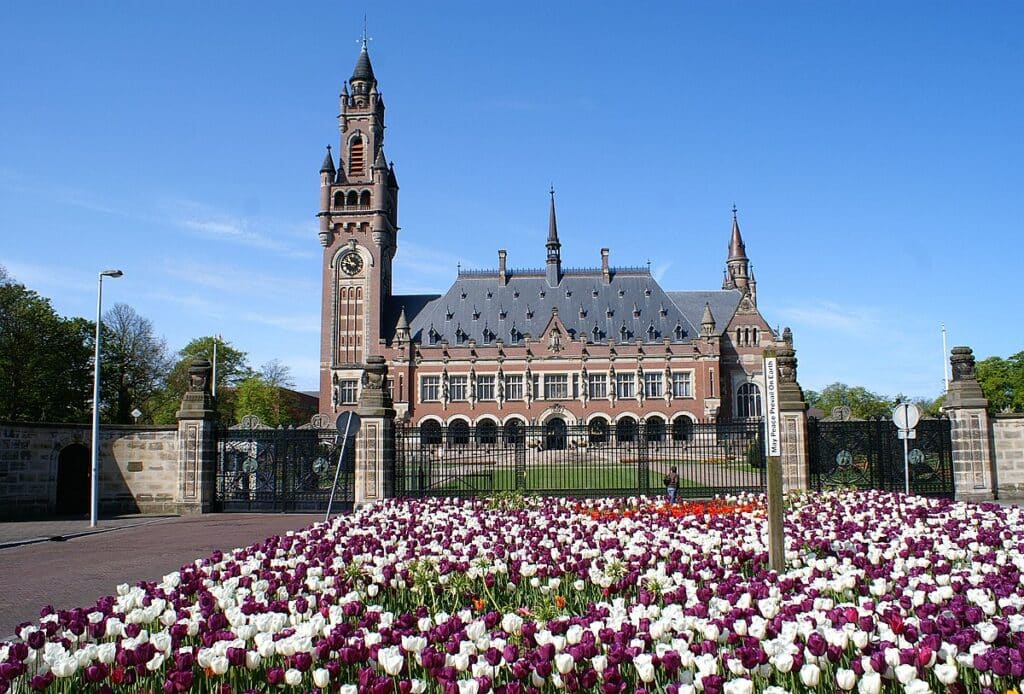
The Hague, known as *Den Haag* in Dutch, is a fascinating city that combines a rich history with a modern, cosmopolitan vibe. As the third-largest city in the Netherlands, The Hague has a population of around 550,000 people as of 2023, and it’s the administrative and royal capital of the country, even though Amsterdam holds the title of official capital. Located on the western coast of the Netherlands, The Hague is not just a center of Dutch governance but also an important international hub, home to major institutions like the International Court of Justice and the International Criminal Court.
Geographically, The Hague is situated along the North Sea coastline, which gives it a breezy, coastal climate. Summers are mild, with temperatures averaging around 22°C (72°F) in July, while winters are chilly, but not extreme, with temperatures averaging around 3°C (37°F) in January. The city gets a fair amount of rain, with about 850 mm of precipitation annually, spread fairly evenly throughout the year. Its seaside district, Scheveningen, is a beloved destination for both locals and tourists, known for its long sandy beaches, iconic pier, and bustling boardwalk filled with restaurants and cafes.
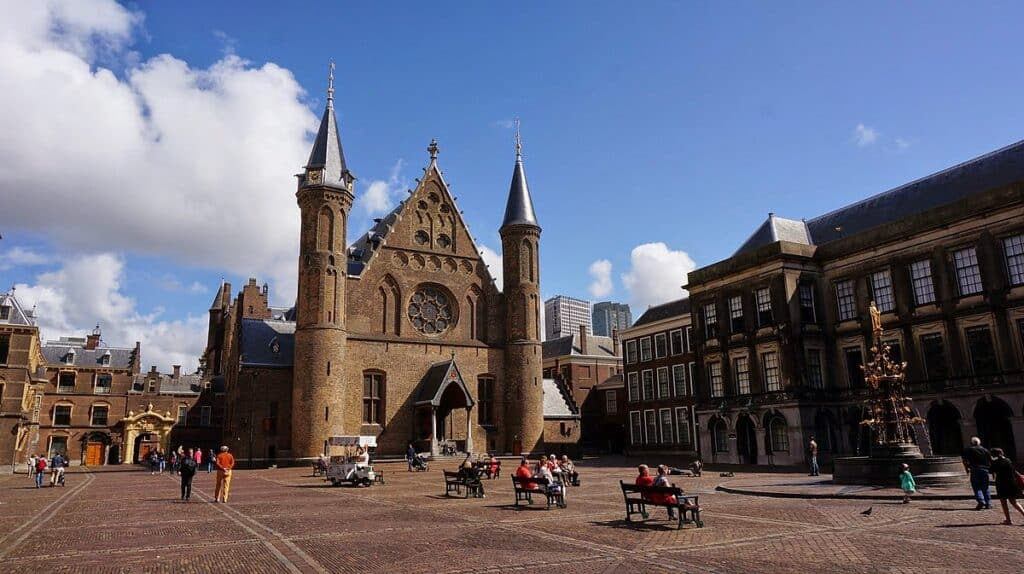
The history of The Hague goes back over 750 years. It was originally established in the 13th century by Count Floris IV of Holland as a hunting lodge, which eventually grew into a significant administrative center. By the time the Dutch Golden Age came around in the 17th century, The Hague was already the seat of government, even though it never gained city rights. The Binnenhof, the historic complex where the Dutch Parliament still meets today, stands as a testament to the city’s long political history. Over the centuries, The Hague has evolved into a center for diplomacy and justice, earning it the nickname “the International City of Peace and Justice.”
Culturally, The Hague is a melting pot of nationalities and traditions. As an international city, it’s home to embassies, NGOs, and global organizations, which brings a multicultural vibe to the city. Festivals like *The Hague International Jazz Festival* and the *Tong Tong Fair*, the largest Eurasian festival in the world, celebrate the city’s diversity. The Hague is also famous for its rich artistic heritage, being the home of the iconic Dutch painter Johannes Vermeer and, more recently, hosting institutions like the Mauritshuis Museum, where Vermeer’s “Girl with a Pearl Earring” is displayed. The city also boasts the Gemeentemuseum, which holds an impressive collection of works by Piet Mondrian.
The food scene in The Hague is a blend of traditional Dutch cuisine and international flavors. From cozy cafes serving *stroopwafels* and Dutch pancakes to upscale restaurants offering fresh seafood, there’s something for everyone. The city’s proximity to the sea means that seafood is a big part of the local diet, with dishes like *haring* (raw herring served with onions and pickles) being a popular street food. Indonesian cuisine is also widely available, reflecting the Netherlands’ colonial past, with local favorites like *rijsttafel* (a spread of small Indonesian dishes) being a must-try.
Economically, The Hague is one of the most prosperous cities in the Netherlands, with a strong focus on government, law, international business, and services. The presence of international organizations like Europol, the International Criminal Court, and several UN agencies has made it a key center for diplomacy and legal affairs. The city’s economy is also supported by the energy sector, with companies like Shell having their global headquarters here. Additionally, tourism plays a significant role, driven by visitors attracted to its historic sites, museums, and the beaches of Scheveningen.
The Hague is also a growing tech and startup hub, with initiatives like The Hague Security Delta, which focuses on cybersecurity and digital innovation. The city’s modern infrastructure, high quality of life, and strategic location near other European capitals make it an attractive destination for businesses and professionals looking to set up operations in the region. There’s a strong emphasis on sustainable urban development, with projects aimed at reducing carbon emissions, promoting green spaces, and improving public transportation.
In terms of human resources, The Hague benefits from being a major educational center. The city is home to universities and institutions like The Hague University of Applied Sciences, Leiden University College, and several international schools, attracting students from around the world. The presence of these institutions has created a skilled and diverse workforce that supports the city’s knowledge-driven economy. The young, multilingual population in The Hague is increasingly leaning towards careers in international relations, law, technology, and sustainability.
Transportation in The Hague is efficient and well-connected. The city’s public transportation network includes trams, buses, and trains, making it easy to get around. The Hague Central Station is one of the busiest in the Netherlands, offering high-speed train services to Amsterdam, Rotterdam, and Brussels. The city is also bike-friendly, with extensive cycling paths that make biking a preferred mode of transport for many residents. For international travel, Schiphol Airport in Amsterdam is just a 30-minute train ride away.
The quality of life in The Hague is one of its strongest selling points. The city’s green spaces, like the sprawling Haagse Bos and Westbroekpark, offer residents plenty of room to enjoy the outdoors. Scheveningen Beach is a favorite spot for sunbathing, surfing, and beach volleyball, especially in the summer. The city’s parks, canals, and historic squares provide a charming backdrop for leisurely strolls, while its shopping districts like the Grote Marktstraat and Noordeinde are perfect for a day out shopping.
The Hague’s neighborhoods each have their own unique character, from the upscale, tree-lined streets of Statenkwartier to the lively, multicultural area of Schilderswijk. The city is known for its beautiful 19th-century architecture, with many old buildings converted into modern apartments and offices. Housing is in high demand, especially in areas close to the beach or the city center, but the local government is actively working on new housing projects to accommodate the growing population.
The people of The Hague, known as *Hagenaars* or *Hagenezen* (depending on whether they live in the upscale or working-class parts of the city), are known for being open-minded, friendly, and proud of their city’s international status. The social scene is lively, with residents enjoying evenings at cozy pubs, chic wine bars, and trendy clubs. The Hague’s markets, such as the Haagse Markt, one of the largest open-air markets in Europe, are always buzzing with activity, offering everything from fresh produce to clothing and antiques.
Despite its many strengths, The Hague faces challenges like any growing city, particularly related to housing affordability and traffic congestion. However, the local government is focused on sustainable solutions, investing in public transport, expanding cycling infrastructure, and promoting energy-efficient buildings. The city’s commitment to being a green and inclusive place to live is evident in its urban planning and community programs.
The Hague is a city that beautifully balances its rich history with modern growth. Whether you’re exploring its world-class museums, enjoying a relaxing day at the beach, or savoring a meal at a cozy café overlooking a canal, The Hague offers a unique blend of culture, history, and modernity that’s hard to find elsewhere. It’s a city that’s constantly evolving while remaining deeply connected to its roots, making it an exceptional place to live, work, or visit in the heart of Europe.
Leave a Reply