


| Country | Philippines |
| Population | 539671 |
| Area | 149.50 km2 (57.72 sq mi) |
| Time Zone | UTC+8 (PST) |
| Coordinates | 14.216666666666667, 121.16666666666667 |
| Highest elevation | 1,095 m (3,593 ft) |
City Gallery


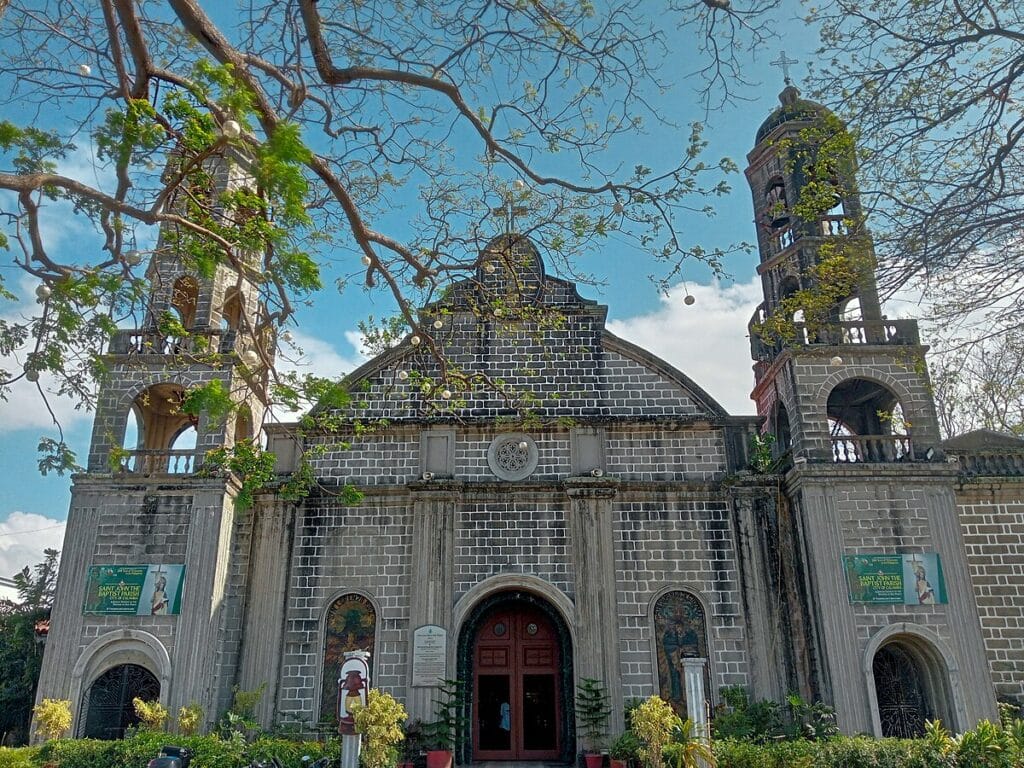



City Description
Calamba, a thriving city in the province of Laguna, Philippines, is best known as the hometown of the country’s national hero, Dr. Jose Rizal. Located just about 50 kilometers south of Metro Manila, Calamba has become a significant hub for industry, education, and tourism in Southern Luzon. With a population of around 540,000 people as of 2023, it’s one of the fastest-growing cities in the Philippines. Calamba perfectly blends its rich historical roots with modern development, making it a vibrant place to live, work, or visit.
Geographically, Calamba is nestled between the scenic Mount Makiling and the expansive Laguna de Bay, the largest lake in the Philippines. The city’s location gives it a unique landscape, with lush hills, hot springs, and stunning lake views. It enjoys a tropical climate, with hot and humid conditions most of the year. The summer months from March to May can see temperatures reaching up to 35°C (95°F), while the cooler months, particularly in December and January, average around 24°C (75°F). Calamba receives significant rainfall during the monsoon season, from June to October, which helps keep its surroundings green and vibrant.
Calamba’s history is deeply intertwined with the life of Dr. Jose Rizal, who was born here in 1861. The city’s name, according to local legend, comes from the words *kalan* (clay stove) and *banga* (clay pot), inspired by a story where early Spanish officials misunderstood locals carrying these items and thought it was the name of the place. Historically, Calamba was an agricultural town during the Spanish colonial period, with rice and sugarcane as its primary crops. The city’s prominence grew during the American era, and it continued to thrive post-independence, especially with the establishment of industrial zones in recent decades.
One of the city’s most iconic landmarks is the Rizal Shrine, the ancestral home of Dr. Jose Rizal, which has been turned into a museum that attracts thousands of visitors each year. The museum showcases Rizal’s life, works, and the rich history of the Philippines during the Spanish colonial period. Nearby, the towering Rizal Monument, known as the tallest Jose Rizal statue in the world at about 22 feet, is a popular photo spot for both locals and tourists. Calamba also takes pride in its famous hot springs in the barangays of Pansol and Bucal, drawing visitors looking for a relaxing getaway in therapeutic mineral waters.
Culturally, Calamba is a lively city with deep-rooted traditions. The annual *Bañamos Festival*, which celebrates the city’s natural hot springs, is a week-long event filled with parades, street dancing, and cultural shows. Another significant celebration is the Rizal Day festivities every December 30th, commemorating the life and heroism of Jose Rizal. The city’s residents, known as Calambeños, are known for their warmth, hospitality, and pride in their heritage.
The food scene in Calamba is a mix of traditional Filipino cuisine and local specialties. You can find *lomi*, a hearty noodle soup that’s perfect for rainy days, or *sinigang na baboy* (sour pork soup) served in eateries throughout the city. Calamba is also famous for its *buko pie* (coconut pie) and other delicacies like *espasol* (a soft, chewy rice cake covered in toasted rice flour). The city’s markets, particularly the Calamba Public Market, are bustling with vendors selling fresh produce, seafood, and local treats.
Human resources in Calamba are well-diversified, thanks to its focus on education, industry, and technology. The city is home to several educational institutions, including the University of Perpetual Help System DALTA and the Lyceum of the Philippines University – Laguna. These institutions attract students from surrounding areas, providing a skilled workforce that supports the local economy. Calamba’s younger population is increasingly pursuing careers in business, healthcare, and engineering, thanks to the city’s emphasis on higher education.
Economically, Calamba is one of the most prosperous cities in Laguna, largely due to its thriving industrial sector. The Calamba Premiere International Park and the Carmelray Industrial Parks are home to numerous multinational companies engaged in electronics, automotive parts, and consumer goods manufacturing. These industrial zones have attracted significant investments and have created thousands of jobs, turning Calamba into a key player in the Southern Luzon economy. In recent years, the city has also seen growth in the business process outsourcing (BPO) sector, with call centers and IT firms setting up offices in the area.
Calamba’s strategic location makes it a key logistics hub, connecting Metro Manila to the southern provinces of Luzon. The South Luzon Expressway (SLEX) and the upcoming Cavite-Laguna Expressway (CALAX) make it easy to reach Calamba from various parts of Luzon. The Calamba Railway Station, which is part of the Philippine National Railways (PNR) network, provides train services to and from Manila, with plans for further expansion under the government’s railway modernization program. Public transport within the city includes jeepneys, tricycles, and buses, making it convenient for residents and visitors to get around.
The quality of life in Calamba is enhanced by its balance of urban amenities and natural beauty. The city’s numerous resorts and hot springs, particularly in Pansol, offer a quick escape for those looking to relax in nature. The scenic views of Mount Makiling and the serene waters of Laguna de Bay provide a refreshing backdrop to daily life. For those interested in outdoor activities, there are hiking trails, picnic spots, and parks that offer a break from the hustle and bustle of city life. Healthcare facilities are well-developed, with hospitals like Calamba Medical Center and the Jose Rizal Memorial Hospital providing quality medical services.
The people of Calamba are known for their community spirit, with strong ties to their families and neighbors. Life here moves at a slightly slower pace compared to Metro Manila, allowing residents to enjoy a more relaxed lifestyle. Community events, fiestas, and gatherings are a big part of life in Calamba, with locals often coming together to celebrate festivals, birthdays, and religious occasions. The city’s sense of community is also evident in its markets and plazas, where people gather to shop, eat, and socialize.
Despite its rapid growth, Calamba faces challenges like managing traffic congestion and ensuring sustainable urban development. The local government is actively working on infrastructure projects to improve roads, expand public transportation, and enhance waste management systems. With its booming economy and growing population, Calamba is focused on balancing development with environmental conservation, especially in protecting its natural springs and maintaining green spaces.
Calamba is a city that beautifully combines its historical significance with modern progress. Whether you’re exploring the rich legacy of Jose Rizal, soaking in the hot springs of Pansol, or simply enjoying the vibrant local markets, Calamba offers a unique blend of tradition and modernity. It’s a city where history lives on in the hearts of its people, while new opportunities continue to shape its future.
Leave a Reply