


| Country | United States |
| Population | 508090 |
| Area | 318.80 sq mi (825.69 km2) |
| Time Zone | UTC−06:00 (CST) |
| Coordinates | 39.099722222222226, -94.57833333333333 |
| Highest elevation | 910 ft (277 m) |
City Gallery





City Description
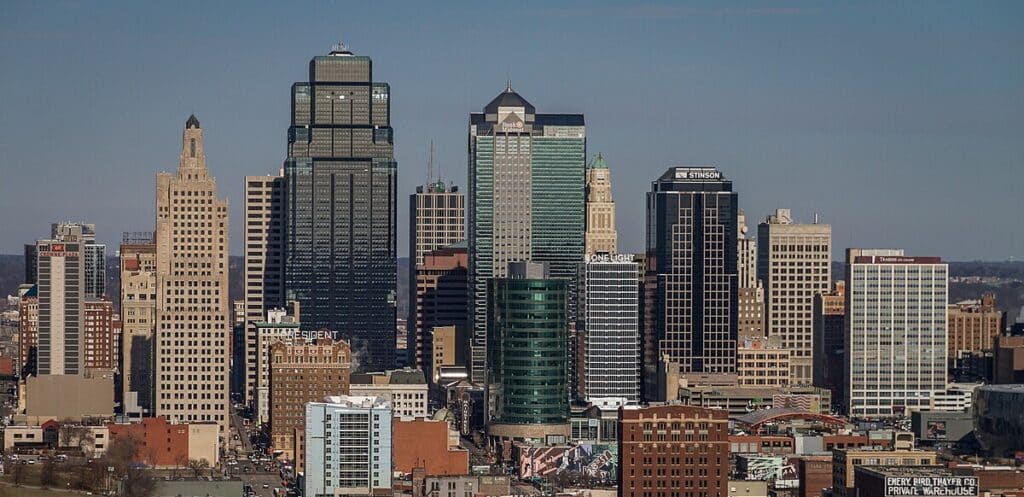
Kansas City, located in the heart of the United States, straddles the border of Missouri and Kansas, with the majority of the city lying in Missouri. Known for its rich cultural history, jazz heritage, and vibrant arts scene, Kansas City is a major urban center with a population of over 500,000 people. When including its metropolitan area, the population swells to more than 2 million, making it the 30th-largest city in the country. The city’s central location gives it a strategic advantage, acting as a major hub for transportation, trade, and commerce in the Midwest. Kansas City’s diverse landscape, ranging from rolling hills to flat plains, provides a mix of urban and suburban living, and its affordable cost of living and high quality of life make it an attractive place to live, work, and visit.
Historically, Kansas City has played a significant role in the development of the American West. The city’s founding dates back to the 1830s when it was initially established as a trading post known as “Kansas.” The city grew rapidly in the mid-19th century, largely due to its location at the confluence of the Missouri and Kansas Rivers, which made it an important transportation and trade hub. The completion of the Hannibal Bridge in 1869, the first bridge to connect the two sides of the city, helped fuel further growth. During the early 20th century, Kansas City became known for its jazz scene, and it was home to some of the most influential jazz musicians, including Charlie Parker and Count Basie. Throughout the 20th and 21st centuries, Kansas City has been a center for industry, particularly in sectors like manufacturing, agriculture, and technology.
Geographically, Kansas City covers about 319 square miles (826 square kilometers), with the Missouri River running through the city’s downtown area. The city’s climate is continental, characterized by hot, humid summers and cold, snowy winters. Average summer temperatures can reach the low 90s°F (mid-30s°C), while winter temperatures can dip below freezing, with snowfall varying from year to year. The city is located near the Kansas-Missouri state line and is part of a larger metropolitan area that includes suburban cities such as Overland Park and Independence. Kansas City is well-connected by major highways, including Interstates 35, 70, and 435, which link the city to the rest of the country, and the Kansas City International Airport offers numerous domestic and international flights.
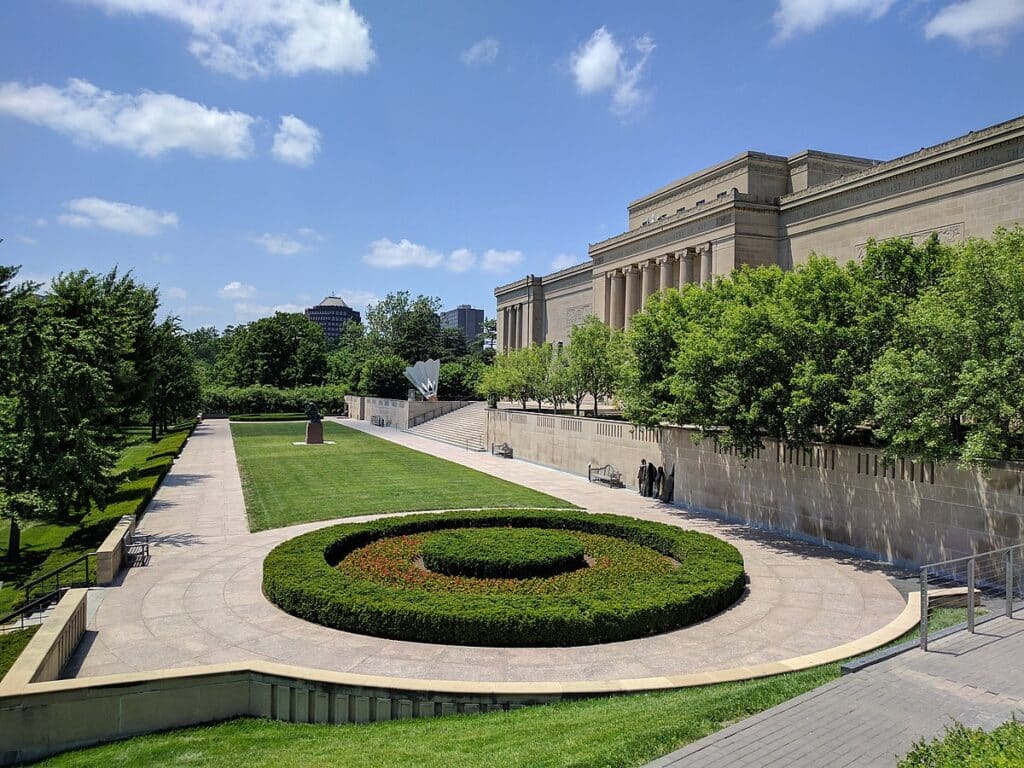
Kansas City has a rich cultural heritage, particularly in the areas of music, art, and cuisine. The city is internationally recognized as the birthplace of jazz, with a number of legendary jazz clubs, such as the Blue Room, and historical landmarks, like the 18th & Vine district, where many of the greatest jazz musicians of the 20th century performed. Kansas City also has a vibrant arts scene, with institutions like the Nelson-Atkins Museum of Art and the Kansas City Art Institute, which foster creativity and bring world-class exhibitions to the city. The city’s performing arts community is thriving, with ballet, opera, and theater performances regularly taking place at venues such as the Kauffman Center for the Performing Arts.
Culturally, Kansas City is famous for its barbecue, which has become a significant part of the city’s identity. The local barbecue tradition dates back to the early 20th century and is celebrated with annual events such as the American Royal World Series of Barbecue. Kansas City-style barbecue features slow-cooked meats, such as ribs and burnt ends, served with a thick, tangy tomato-based sauce. The city is also known for its craft beer scene, with a growing number of local breweries offering a variety of beers that reflect the city’s unique culture and laid-back lifestyle.
In terms of human resources, Kansas City has a growing and diverse population, with many residents working in industries such as healthcare, education, technology, and manufacturing. The city is home to a number of well-regarded universities, including the University of Missouri-Kansas City and Rockhurst University, which contribute to the city’s skilled labor force. Additionally, the city’s workforce is bolstered by its position as a transportation and logistics hub, with a significant number of workers in warehousing, distribution, and supply chain management. The city also has a strong entrepreneurial spirit, with many small businesses and startups emerging in areas such as technology, food and beverage, and creative industries.
Economically, Kansas City has a diverse and resilient economy. Historically, the city was known for its manufacturing and agricultural industries, but over the past few decades, it has shifted towards technology, healthcare, and service-based sectors. Major companies headquartered in the city include Hallmark Cards, Cerner Corporation, and Garmin, all of which contribute significantly to the local economy. The city is also home to a growing number of tech startups, and Kansas City’s status as a “Smart City” has been bolstered by initiatives to expand broadband access, improve city services through technology, and support innovation. In particular, the city has embraced data-driven solutions in areas such as transportation and public safety, making it a leader in smart city development.
Kansas City’s real estate market is thriving, with ongoing development in both residential and commercial sectors. The city’s downtown area has seen substantial investment, with new apartment buildings, office spaces, and retail developments making the area more vibrant and walkable. The city is also experiencing growth in suburban areas, with new housing developments catering to a growing population. Housing prices in Kansas City are relatively affordable compared to other major U.S. cities, which makes it an attractive place for young professionals, families, and retirees. The city’s commercial real estate market is strong, with new office buildings and mixed-use developments driving investment.
The retail sector is also an important contributor to the city’s economy, with shopping centers, such as the Country Club Plaza and Westport, drawing both locals and tourists. The city’s retail industry is expanding with more national chains, local boutiques, and online businesses moving into the area. Kansas City has also become a popular destination for foodies, with a growing number of restaurants, food trucks, and local markets offering diverse culinary experiences.
Transportation infrastructure in Kansas City is robust, with well-maintained highways connecting the city to other major regions in the Midwest. Kansas City International Airport, located a few miles from downtown, offers convenient travel options for both business and leisure travelers. The city has a public bus system operated by the Kansas City Area Transportation Authority, although public transportation options are somewhat limited compared to larger cities. The city’s efforts to improve its public transit infrastructure are ongoing, with proposals for light rail systems aimed at improving mobility for residents. Kansas City is also known for its bike-friendly initiatives, with a growing network of bike lanes and bike-sharing programs.
Sustainability has become an increasing focus for Kansas City as it continues to grow. The city has implemented several environmental initiatives aimed at reducing energy consumption, improving waste management, and promoting green building practices. Kansas City has committed to reducing its carbon footprint and is working on transitioning to renewable energy sources, including solar and wind. The city has also taken steps to increase green spaces and parks, making it an attractive place for outdoor activities. The Kansas City Parks and Recreation Department maintains more than 200 parks, including hiking and biking trails, gardens, and sports facilities, allowing residents to enjoy nature and recreational activities.
The people of Kansas City are known for their Midwestern hospitality and community spirit. The city has a diverse population, with a mix of long-time residents and newcomers from various parts of the country and the world. The city’s pride in its local culture, particularly its music and food, fosters a strong sense of identity and belonging among residents. Kansas City is a city that values family, community, and traditions, making it a welcoming place for people of all backgrounds.
In conclusion, Kansas City is a dynamic and growing urban center that offers a unique blend of history, culture, and modern development. With its rich jazz heritage, thriving economy, and vibrant arts scene, the city is an attractive place for residents, businesses, and visitors alike. Whether you’re exploring the local food scene, attending a jazz festival, or working in one of the city’s many growing industries, Kansas City has something to offer everyone. With a strong sense of community and a bright future ahead, Kansas City is a city that continues to evolve while staying true to its roots.
Leave a Reply