

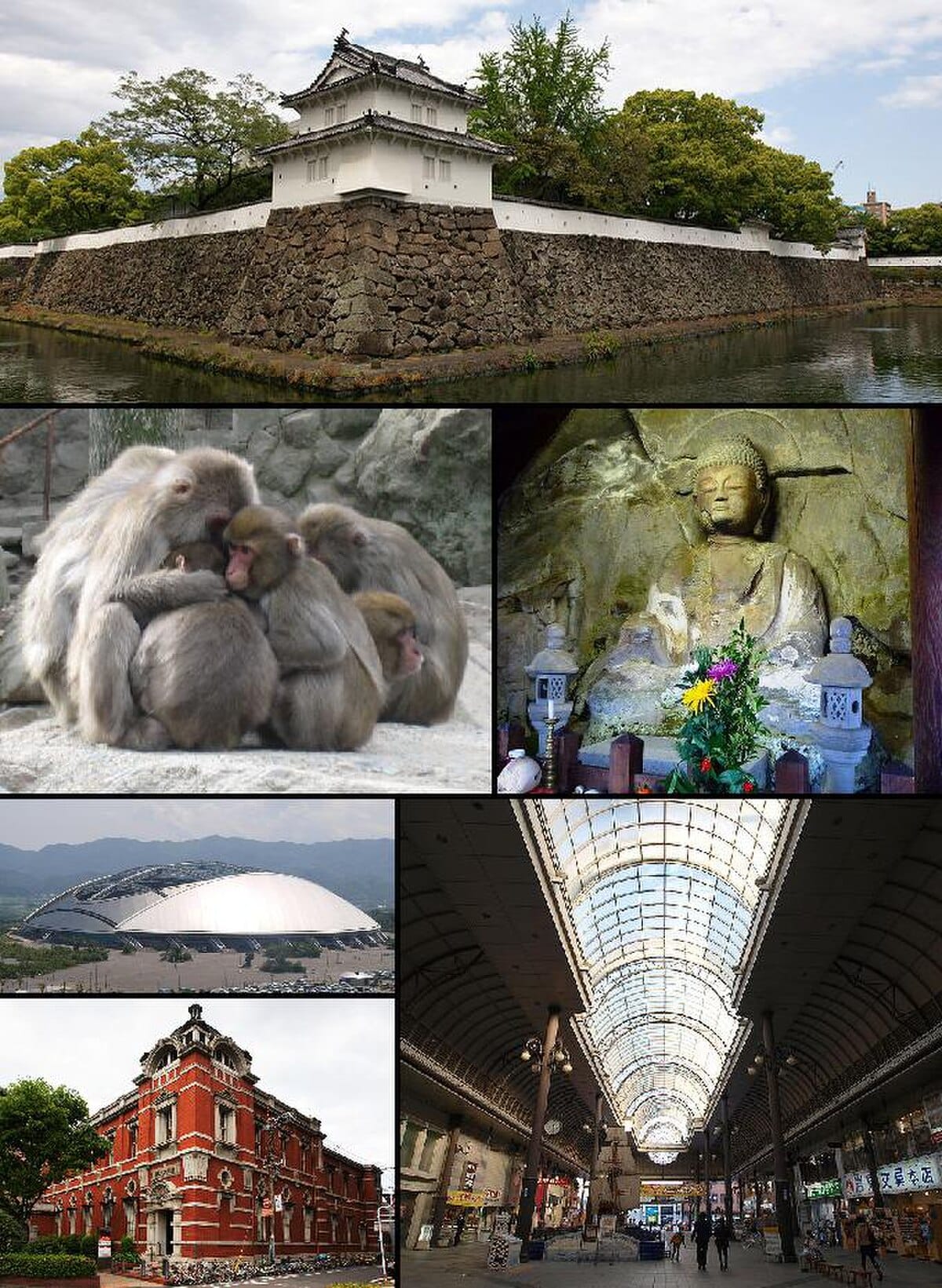
| Country | Japan |
| Population | 474804 |
| Area | 502.38 km2 (193.97 sq mi) |
| Time Zone | UTC+09:00 (JST) |
| Coordinates | 33.233333333333334, 131.60666666666665 |
| Highest elevation | None |
City Gallery




City Description
Oita, located on the island of Kyushu in southwestern Japan, is a vibrant city known for its natural hot springs, rich cultural heritage, and historical significance. With a population of around 480,000 people, Oita is the capital of Oita Prefecture and serves as a major hub for commerce, tourism, and industry in the region. The city is situated along the coast of the Seto Inland Sea, offering picturesque views and a mild climate that attracts both residents and visitors year-round. Oita has long been known for its abundance of onsens (hot springs), which have become an integral part of its identity and a significant draw for tourists from around Japan and abroad.
Oita’s history stretches back centuries, with the region being inhabited by indigenous peoples long before the arrival of the Japanese. The city itself grew during the Edo period (1603–1868) as a regional center of trade, particularly in relation to the coal and salt industries. However, it wasn’t until the Meiji era in the late 19th century that Oita began to develop as a more urbanized city, with the construction of railways and modern infrastructure fueling its growth. By the early 20th century, Oita had become a significant player in Japan’s industrial expansion, particularly with its growing petroleum and chemical industries. The city was also known for its fishing industry, with Oita’s port serving as a vital center for regional trade.
Geographically, Oita is located in the eastern part of Kyushu, bordered by the Pacific Ocean to the south and surrounded by lush mountains to the north. The city lies along the Beppu Bay, and the nearby Kunisaki Peninsula adds to the region’s natural beauty. Oita’s climate is classified as humid subtropical, with hot, humid summers and mild winters. Summer temperatures average around 30°C (86°F), while winter temperatures rarely drop below 5°C (41°F). Rainfall is fairly common, especially during the summer months when the region experiences the monsoon season, but the overall climate is temperate, making it an attractive location for those seeking a mild year-round environment.
Culturally, Oita is deeply connected to its traditions, particularly the onsen culture for which the city is famous. Oita is home to Beppu, one of the largest and most well-known hot spring resorts in Japan, just a short distance from the city. The presence of over 3,000 hot springs in the area has made the region a center for wellness and relaxation, drawing millions of visitors every year. Beppu’s “Hells” tour, which includes visits to several visually unique hot springs, is a major tourist attraction. In addition to its onsen culture, Oita is also known for its traditional Japanese arts, such as kabuki theater, music, and folk festivals. The city celebrates various cultural events throughout the year, including the Oita Tanabata Festival and the Oita International Animation Festival, showcasing the city’s commitment to preserving both local and international artistic traditions.
Oita’s cuisine is a reflection of its coastal location and rich agricultural landscape. Seafood, particularly fish like mackerel and squid, is a staple in Oita’s culinary offerings, with dishes such as “saba sushi” (mackerel sushi) and “ikizukuri” (live fish dishes) being popular in local restaurants. Oita is also known for its production of mikan (Japanese mandarins), which thrive in the city’s mild climate, as well as the local beef, known as “Oita wagyu.” The region’s culinary culture blends traditional Japanese flavors with influences from the surrounding waters, making it a destination for food lovers.
The city’s human resources are shaped by both its historical industry and modern developments. Oita’s population is well-educated, with a high school graduation rate close to 95% and a significant percentage of its population holding university degrees. Oita University, located in the city, is a key institution that provides education in various fields, including engineering, environmental science, and international relations. The presence of Oita University contributes to the city’s growing focus on research and innovation, especially in areas such as technology and sustainability. The city also has a skilled labor force, with many residents working in industries such as manufacturing, healthcare, and services. Despite its relatively small size, Oita’s workforce is diverse and dynamic, with a focus on preserving traditional industries while adapting to the challenges of the 21st century.
Oita’s economy is characterized by a mix of traditional industries, such as agriculture and manufacturing, alongside newer sectors like tourism and technology. The city is a major center for the oil refining and chemical industries, and companies in these sectors have been a major source of employment for decades. Additionally, the city’s manufacturing base includes companies involved in machinery, textiles, and automotive parts. However, Oita has increasingly turned its focus to the tourism sector, driven by its world-renowned hot springs and natural beauty. The tourism industry is growing steadily, contributing significantly to the local economy through both domestic and international visitors. In recent years, there has been a push to diversify the economy further, with investments in renewable energy, green technologies, and research-based industries.
Agriculture also plays an important role in Oita’s economy. The region is known for its production of mikan, tea, and rice, with farmers taking advantage of the fertile land surrounding the city. The combination of agriculture, fishing, and manufacturing creates a balanced local economy, with Oita continuing to thrive as an industrial and agricultural center while also expanding its focus on tourism and sustainability.
Real estate in Oita has remained stable, with residential developments continuing to expand in response to the city’s growing population and tourism. While not as expensive as cities like Tokyo or Osaka, Oita offers affordable housing options, making it attractive to both young professionals and families. The city’s investment in infrastructure, such as roads, public transportation, and green spaces, has also helped make it a pleasant place to live. Oita’s transportation network is well-developed, with frequent bus and train services connecting the city to nearby regions, and the Oita Airport providing domestic and limited international flights.
Sustainability has become an increasing focus for Oita in recent years. The city is committed to reducing its carbon footprint and improving its environmental practices, particularly with regard to its energy usage and waste management. Oita has been implementing green initiatives such as the promotion of renewable energy, energy-efficient buildings, and programs aimed at reducing waste and increasing recycling. The city’s emphasis on sustainability is also seen in its efforts to preserve natural areas, protect its hot springs, and maintain its agricultural heritage while adapting to modern environmental standards.
Digital technologies are becoming more prevalent in Oita, especially in areas related to tourism, business, and education. The city is working to expand its digital infrastructure, with more businesses and residents adopting high-speed internet and digital services. Oita’s government is also focused on promoting technology startups and innovation hubs to create a thriving digital economy that can complement its traditional industries.
The people of Oita are known for their warm hospitality and close-knit community. The city has a relaxed pace of life compared to larger metropolitan areas, but it offers the modern conveniences of a city alongside the natural beauty of the surrounding landscape. Oita’s residents take pride in their city’s heritage, whether it’s the centuries-old tradition of hot springs, the thriving agricultural sector, or the city’s recent innovations. The local community is actively involved in preserving the city’s cultural and environmental resources, ensuring that Oita continues to grow in a sustainable and responsible manner.
Oita is a city that combines the charm of its historic past with the excitement of modern development. Its hot springs, cultural richness, and blend of traditional industries with modern innovation make it an interesting place to visit and live. Whether enjoying the peaceful onsen resorts, exploring the rich local history, or participating in the growing tech and business scene, Oita offers a unique lifestyle that balances nature, culture, and economic growth.
Leave a Reply