


| Country | Jordan |
| Population | 280000 |
| Area | 38 km2 (15 sq mi) |
| Time Zone | UTC+3 |
| Coordinates | 32.01777777777777, 36.046388888888885 |
| Highest elevation | 700 m (2,300 ft) |
City Gallery





City Description
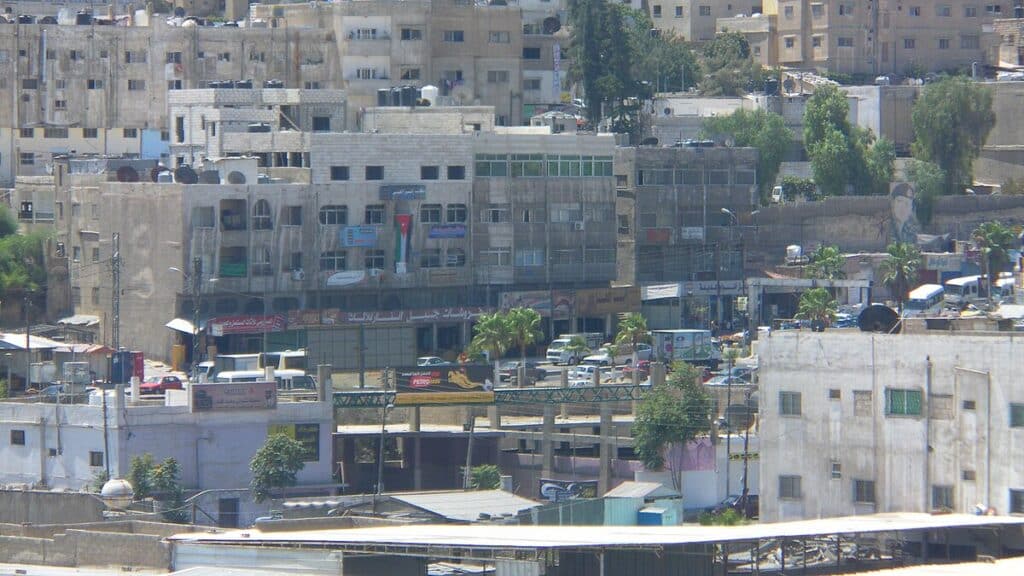
Russiefa, located in northern Jordan, is a city that may not be as widely known as some of the country’s more famous cities, but it has a unique charm and historical significance that make it an intriguing destination. With a population of around 120,000 people, Russiefa is a relatively small city but plays a significant role in the region, both as a center of local administration and as a historical hub. The city is situated near the borders of Syria and Iraq, giving it a strategic location in the heart of the Levant. It is approximately 25 kilometers northeast of Amman, Jordan’s capital, and is easily accessible by road, making it a part of the Greater Amman metropolitan area. Russiefa is situated on a plateau, offering stunning views of the surrounding hills and valleys.
Russiefa has a rich history, dating back to ancient times. It is believed that the area was inhabited by various civilizations over the centuries, including the Nabateans, Romans, and Byzantines. The city’s location along ancient trade routes made it an important stop for merchants and travelers, and remnants of its past can still be seen in its archaeological sites and nearby ruins. Historically, Russiefa was a small village that gradually developed into a larger settlement due to its proximity to major urban centers in Jordan, particularly Amman. During the 20th century, the city saw rapid growth, fueled by industrialization and urbanization, especially during the post-independence era. The city’s strategic location also made it an important military base during various regional conflicts, further contributing to its development.
Geographically, Russiefa is located in the fertile highlands of Jordan, with an elevation of about 600 meters above sea level. The region is characterized by a Mediterranean climate, with hot, dry summers and mild, rainy winters. The summer temperatures can reach up to 35°C (95°F), while winter temperatures often dip to around 5°C (41°F), with occasional snowfall in the higher elevations. The area is known for its rolling hills, olive groves, and farmland, contributing to the region’s agricultural importance. Nearby, the Zarqa River provides an additional natural resource, feeding into the broader ecosystem of the area. The surrounding environment is a mix of rocky terrain and patches of greenery, providing a scenic backdrop to the city.
Culturally, Russiefa is a city with a blend of traditions and modern influences. The city’s residents are predominantly of Arab descent, with a large portion of the population tracing their roots to various regions of Jordan and neighboring countries. Russiefa has a vibrant local culture that is reflected in its festivals, music, and cuisine. As with much of Jordan, the culture of Russiefa is deeply influenced by the traditions of Islam, with a strong focus on family, hospitality, and community values. The city celebrates various religious and national festivals, including Ramadan, Eid, and Independence Day, with gatherings, feasts, and public events. Local folk music, which blends traditional Arabic instruments with modern influences, is popular in the city, and many community events showcase local artisans and performers.
Cuisine in Russiefa is similar to other parts of Jordan, with a rich variety of dishes that reflect both traditional Bedouin flavors and Mediterranean influences. Local dishes include “mansaf” (a dish of lamb cooked in yogurt and served with rice), “maqluba” (a rice and vegetable dish with meat), and various types of “mezze” (small appetizers like hummus, baba ganoush, and falafel). The city also has a bustling street food scene, with local vendors offering snacks such as “sfiha” (a type of meat pie) and “knafeh” (a sweet cheese pastry). Russiefa’s cuisine is a blend of hearty, traditional meals and lighter, fresh dishes, making it a favorite for food lovers. The availability of fresh produce from local farms, particularly olives, tomatoes, and cucumbers, ensures that the city’s food scene is both flavorful and diverse.
Human resources in Russiefa are influenced by the city’s role as a growing urban area. The literacy rate in the city is relatively high, reflecting Jordan’s overall commitment to education, with a strong emphasis on primary and secondary schooling. Russiefa is home to several schools, both public and private, that serve the local population. Higher education is also accessible, with students often attending universities in Amman or nearby Zarqa. The most prominent educational institutions are the University of Jordan and the Hashemite University in Zarqa, both of which offer a wide range of academic programs. Many residents of Russiefa work in agriculture, retail, and industry, while others are employed in government offices or the service sector. The city has a relatively young population, and there is a growing interest in fields like technology, business, and healthcare, as young people seek to expand their career opportunities.
Economically, Russiefa is an industrial hub for the surrounding region, with several factories, warehouses, and manufacturing plants located in the area. The city has a strong agricultural base, with local farms producing olives, grains, fruits, and vegetables. Russiefa is known for its olive oil production, with many families in the area still using traditional methods for extracting the oil. Additionally, the city has a developing retail and service sector, with an increasing number of shops, restaurants, and small businesses catering to both residents and tourists passing through. The city is also well-connected to Amman and other larger cities in Jordan, making it a key player in regional trade and commerce.
The industrial sector in Russiefa has seen significant growth, particularly in manufacturing, textiles, and cement production. The city is home to several cement factories that serve both the local and regional markets. The development of the industrial sector has led to an increase in employment opportunities, but it has also brought challenges such as environmental concerns related to industrial waste and air pollution. Despite these challenges, the local government has worked to create a balance between industrial growth and environmental preservation. Russiefa’s economy is also supported by its proximity to Amman, with many residents commuting to the capital for work, education, and shopping.
Infrastructure in Russiefa has seen considerable improvements in recent years. The city is connected to a major road network that links it to other parts of Jordan, including Amman and Zarqa, facilitating the movement of goods and people. Public transportation within the city is provided through a network of buses and shared taxis, while the city’s proximity to Amman’s Queen Alia International Airport makes it well-connected to international destinations. The local government has focused on improving the city’s water supply, waste management systems, and public services to keep up with the growing population.
Russiefa has also taken steps to promote sustainability and address environmental issues. The city is investing in renewable energy projects, such as solar power, to reduce reliance on traditional energy sources. There have been efforts to create green spaces within the city and improve waste management systems, although challenges remain in terms of managing the effects of rapid urbanization.
The people of Russiefa are known for their warmth, hospitality, and strong sense of community. Despite being a relatively small city, Russiefa has a tight-knit atmosphere, where people know each other and often gather for social events, family gatherings, and local festivals. The city’s residents are proud of their heritage and are committed to preserving the city’s culture and history while embracing modern development. The slower pace of life in Russiefa, compared to larger cities like Amman, makes it an attractive place for families and individuals seeking a more relaxed lifestyle while still being close to the conveniences of urban centers.
Russiefa is a city that offers a unique combination of tradition and modernity. Its rich history, strong agricultural base, and growing industrial sector provide a solid foundation for the city’s future. Whether you are visiting to explore its historical sites, enjoy its culinary offerings, or learn about its industrial growth, Russiefa provides an authentic taste of life in northern Jordan. With a strong sense of community, a growing economy, and a deep connection to its cultural roots, Russiefa is a city that continues to develop while preserving the traditions that make it special.
Leave a Reply