

| Country | Vietnam |
| Population | 2023 |
| Area | 115.36 km2 (44.54 sq mi) |
| Time Zone | UTC+07:00 (Indochina Time) |
| Coordinates | 10.373611111111112, 105.44583333333334 |
| Highest elevation | None |
City Gallery




City Description
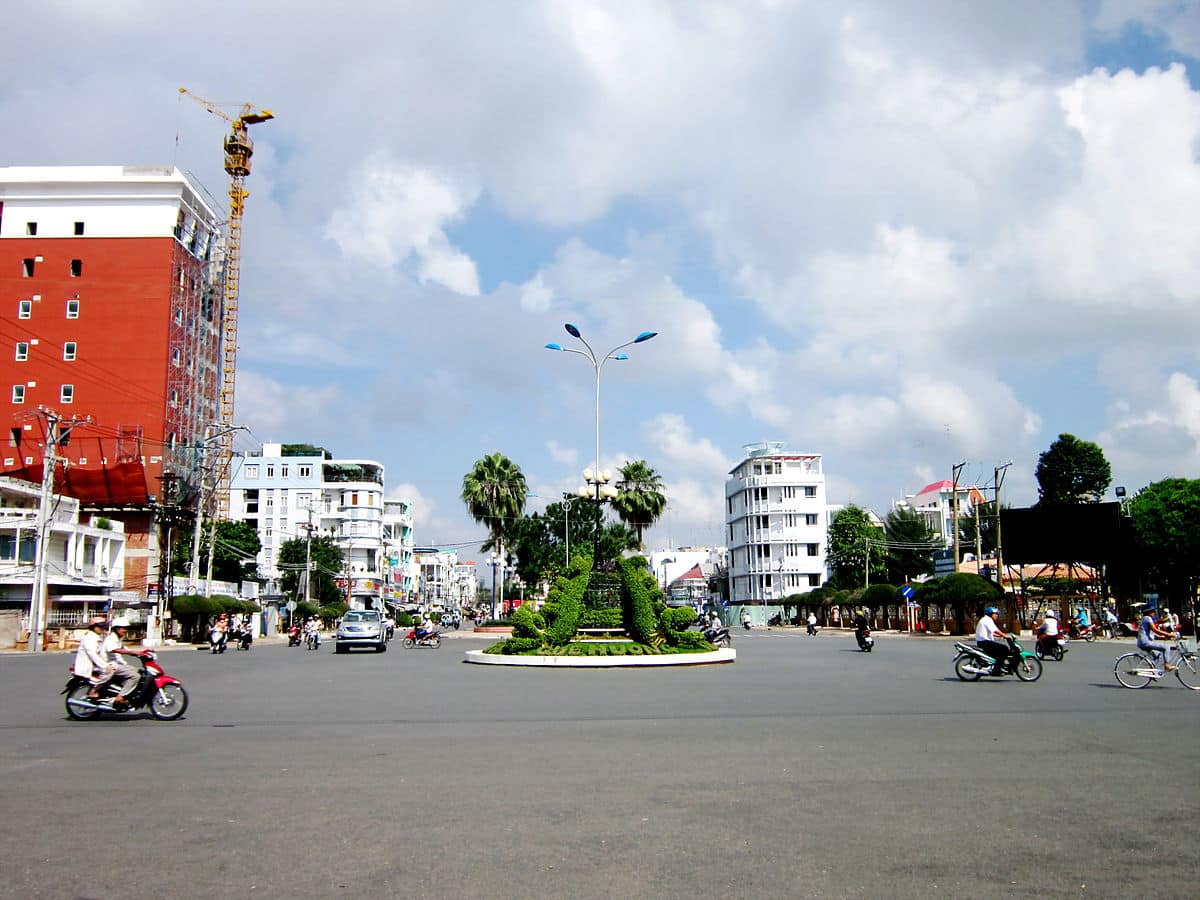
Long Xuyên, a bustling city in the Mekong Delta of southern Vietnam, is a hidden gem that combines the energy of a growing urban center with the charm of traditional riverside life. As the capital of An Giang Province, Long Xuyên covers an area of about 115 square kilometers and is home to approximately 400,000 people. Positioned along the Hau River, one of the main branches of the mighty Mekong River, Long Xuyên is a vital hub for trade, agriculture, and culture in the region. The city may not be as well-known as its neighbors Can Tho or Ho Chi Minh City, but it has a unique charm that’s deeply rooted in the traditions of the Mekong Delta.
Long Xuyên’s history is rich and deeply intertwined with the history of the Mekong Delta itself. The city was officially established during the French colonial period in the late 19th century, serving as a regional administrative center. Over the years, it grew into an important agricultural and trading hub due to its strategic location along the Hau River. The city played a significant role during the Vietnam War as a strategic site for both the South Vietnamese and American forces. Today, Long Xuyên has emerged as a modern city that retains its traditional character, with bustling markets, pagodas, and riverboats lining its waterfront.
Geographically, Long Xuyên is situated in the heart of the Mekong Delta, which is known as Vietnam’s “rice bowl.” The region’s flat, low-lying landscape is crisscrossed by a network of rivers, canals, and rice paddies that stretch as far as the eye can see. This unique geography not only shapes the city’s economy but also defines its way of life. The climate is tropical, with two main seasons: a wet season from May to November and a dry season from December to April. Average temperatures range between 25°C to 30°C (77°F to 86°F) year-round, with the city receiving about 2,000 millimeters of rainfall annually, most of it during the rainy season.
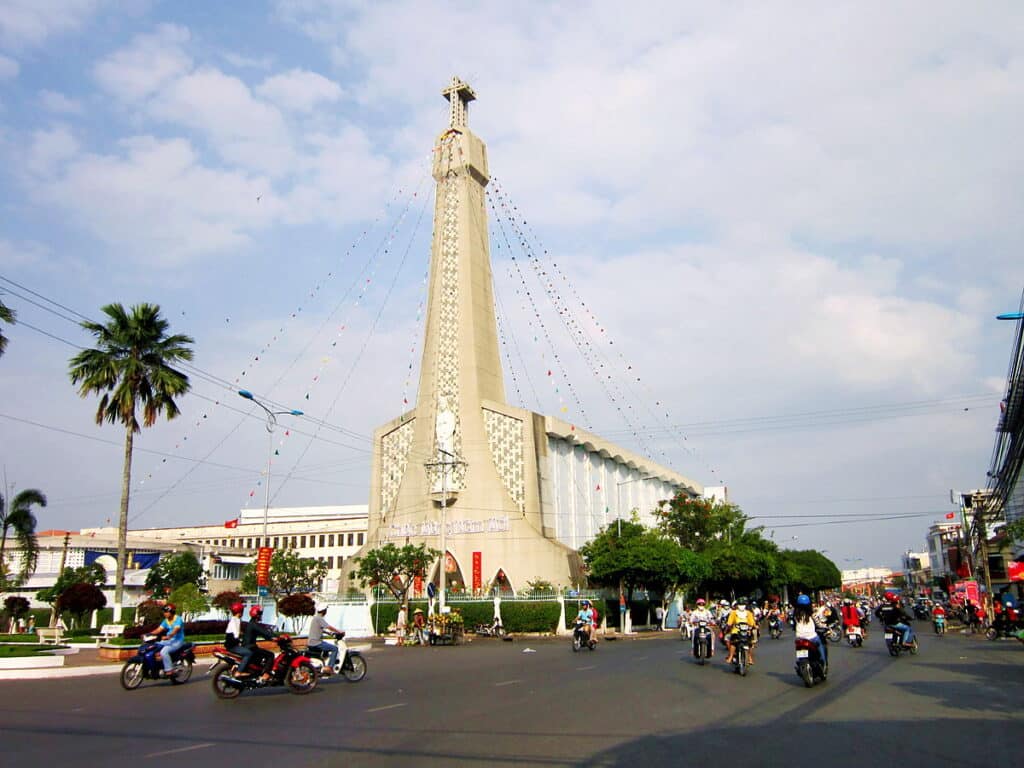
Culturally, Long Xuyên is a vibrant mix of Vietnamese, Khmer, and Chinese influences. The city is known for its laid-back yet lively atmosphere, with locals enjoying a slower pace of life typical of the Mekong Delta. One of the most important cultural landmarks in the city is the Ong Bac Pagoda, a beautiful Chinese temple that draws visitors with its intricate architecture and vibrant festivals, especially during Lunar New Year. The city is also the birthplace of Ton Duc Thang, the second president of Vietnam, and his legacy is celebrated in the Ton Duc Thang Museum, which offers insights into his life and the city’s role in Vietnam’s history.
The people of Long Xuyên, known as Long Xuyeners, are known for their friendliness, hospitality, and resourcefulness. The city has a relatively young population, with many families engaged in agriculture, fishing, and small businesses. Education is a growing priority, and Long Xuyên is home to An Giang University, which is one of the leading educational institutions in the Mekong Delta. The university focuses on agriculture, aquaculture, and environmental sciences, aligning with the region’s economic strengths. The younger generation is increasingly interested in technology, tourism, and service industries, reflecting a shift in the local job market.
Economically, Long Xuyên is a powerhouse of agricultural production, particularly in rice, fish farming, and fruit cultivation. The fertile soils of the Mekong Delta make this region one of the most productive agricultural areas in Vietnam. Long Xuyên is known for its rice, which is not only consumed locally but also exported worldwide. In addition to rice, the city is famous for its pangasius (catfish) farming, which has grown into a major industry over the past few decades. An Giang Province, with Long Xuyên at its heart, is one of Vietnam’s top producers of pangasius, supplying both the domestic market and international exports.
Beyond agriculture, Long Xuyên has a growing industrial sector, particularly in food processing and manufacturing. The city’s strategic location along the Hau River makes it a key transport and logistics hub in the Mekong Delta. In recent years, there has been a push to diversify the economy by developing tourism, retail, and services. The local government is investing in infrastructure projects, such as upgrading roads and expanding river ports, to support economic growth and attract more investment.
Real estate in Long Xuyên is relatively affordable compared to major Vietnamese cities like Ho Chi Minh City or Hanoi. The average price for a house in the city center ranges from 15 million to 25 million VND per square meter (around $600 to $1,000), depending on the location and property type. Renting a two-bedroom apartment typically costs between 5 million to 8 million VND ($200 to $350) per month. Popular residential areas include My Binh and My Xuyen, which are known for their accessibility, schools, and proximity to markets.
Transportation in Long Xuyên is dominated by motorbikes, bicycles, and the iconic riverboats that glide along its waterways. The city is well-connected by road and river, with National Highway 91 linking it to Can Tho and other parts of the Mekong Delta. The city’s bus terminal offers connections to Ho Chi Minh City, about a 4-hour drive away. For those looking to explore the delta’s intricate network of rivers and canals, local ferries and boats are a great way to experience the region’s traditional way of life.
Healthcare in Long Xuyên has been steadily improving, with several public and private hospitals providing essential services. The An Giang Central General Hospital is the largest healthcare facility in the city, offering a range of medical treatments and emergency care. In addition, there are numerous clinics and health centers that serve the surrounding rural communities. The city has been focusing on expanding healthcare access, particularly in response to the challenges posed by the COVID-19 pandemic.
The culinary scene in Long Xuyên is a highlight for any visitor. As a city deeply connected to its rivers and fields, the food here is fresh, flavorful, and uniquely tied to the region. A must-try dish is “bun ca Long Xuyen,” a fish noodle soup that’s packed with herbs, spices, and a tangy broth. Another local specialty is “ca kho to,” a caramelized catfish dish cooked in a clay pot, which is both savory and sweet. The city’s bustling markets, like the Long Xuyên Market, are perfect for sampling fresh fruits like mangoes, durians, and longans, as well as street food favorites like banh xeo (crispy pancakes) and banh tam bi (coconut rice noodles).
Tourism in Long Xuyên is slowly but steadily growing, as more people discover its unique mix of culture, history, and natural beauty. The city is often used as a base for exploring the surrounding delta, including the Tra Su Cajuput Forest, a stunning wetland area known for its birdlife and serene boat rides through mangrove-lined channels. The nearby town of Chau Doc, with its famous floating markets and Cham villages, is another popular excursion. For those interested in history, the ancient Oc Eo archaeological site, located about an hour’s drive from the city, offers a glimpse into the region’s pre-Angkorian past.
Despite its many strengths, Long Xuyên faces challenges related to sustainable development and environmental management. The city is vulnerable to flooding, particularly during the monsoon season, which can affect both agriculture and infrastructure. The local government is investing in flood control measures, such as strengthening riverbanks and improving drainage systems, to protect the city from the impacts of climate change. There’s also a growing focus on promoting eco-tourism and sustainable agriculture to ensure that the region’s natural resources are preserved for future generations.
Long Xuyên is a city that captures the essence of the Mekong Delta. It’s a place where traditional river life coexists with modern developments, where the pace of life is slower, and where every corner holds a story waiting to be discovered. Whether you’re exploring its bustling markets, savoring a bowl of bun ca by the riverside, or taking a boat ride through its lush waterways, Long Xuyên offers an authentic taste of Vietnam’s southern charm. It’s a city that’s both grounded in tradition and looking towards the future, making it a truly unique destination in the heart of the Mekong Delta.
Leave a Reply