

| Country | India |
| Population | 373133 |
| Area | 139 km2 (54 sq mi) |
| Time Zone | UTC+5:30 (IST) |
| Coordinates | 28.8909, 76.5796 |
| Highest elevation | 220 m (720 ft) |
City Gallery




City Description
Rohtak, a lively city in the heart of Haryana, India, is where tradition meets a rapidly growing modern landscape. Located about 70 kilometers northwest of the capital, New Delhi, Rohtak has evolved into one of Haryana’s key urban centers, serving as both a historical city and a modern educational and industrial hub. With a population of nearly 400,000 people spread across 115 square kilometers, Rohtak is growing rapidly, attracting students, professionals, and businesses looking to benefit from its strategic location and vibrant community.
The history of Rohtak is rich and deeply rooted in Indian tradition, dating back more than 2,000 years. The city is believed to have been part of the ancient Indus Valley Civilization, with some historians suggesting that its name is derived from “Rohitaka,” meaning a place covered with “Rohitaka” trees. Rohtak was an important town during the Maurya Empire and later became a prominent site during the rule of the Delhi Sultanate and the Mughal Empire. It served as a significant military outpost during British rule, given its strategic position near Delhi. Post-independence, Rohtak has grown into a bustling city while still retaining its historical charm, with remnants of old forts and Mughal-era structures dotting the landscape.
Geographically, Rohtak is situated in the fertile plains of Haryana, benefiting from its location in the northern part of the Indian subcontinent. The city enjoys a typical north Indian climate with hot summers, cool winters, and a monsoon season. Summers can be scorching, with temperatures often reaching 45°C (113°F), while winters are relatively mild, with temperatures averaging around 7°C (45°F). The city receives moderate rainfall, mostly during the monsoon months of July and August, with an average annual precipitation of about 600 millimeters. The surrounding agricultural fields are lush, supporting crops like wheat, rice, sugarcane, and mustard, which are staples of the local economy.
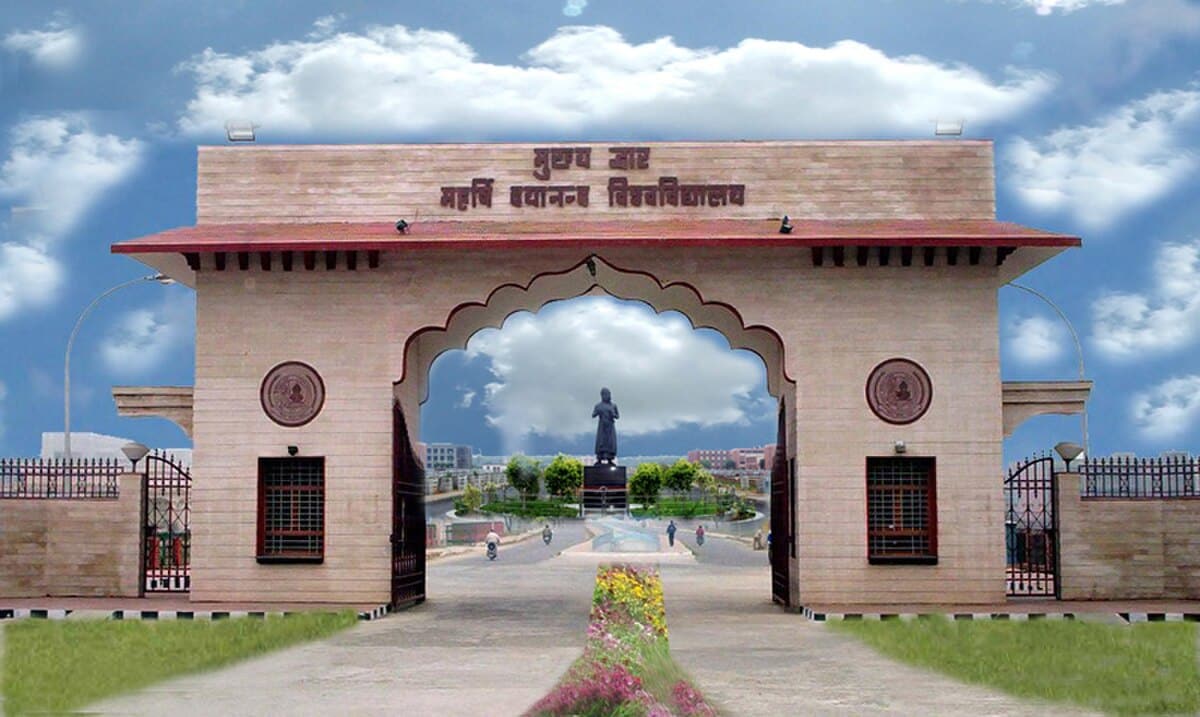
Culturally, Rohtak is a city that takes great pride in its Haryanvi roots. The city is known for its vibrant folk traditions, especially its music, dance, and festivals. The people of Rohtak celebrate festivals like Diwali, Holi, and Teej with great enthusiasm, often accompanied by the beats of dhol and traditional dances like the Haryanvi “ragini.” The city’s cultural scene is also enriched by its numerous educational institutions, particularly Maharshi Dayanand University (MDU), which is one of the largest universities in Haryana. MDU attracts students from all over India, making Rohtak a youthful city filled with energy and diversity. The presence of the Indian Institute of Management Rohtak, one of India’s top management schools, has further boosted the city’s reputation as an educational hub.
The people of Rohtak, known as Rohtakis, are known for their straightforwardness, hospitality, and a deep sense of community. The city has a relatively young population, with a median age of around 30 years, thanks to the influx of students and young professionals. Education is highly valued, and Rohtak boasts several reputable schools, colleges, and training centers, which have played a key role in developing a skilled workforce. The city’s literacy rate is above the national average, reflecting the local emphasis on education and self-improvement.
Economically, Rohtak has seen significant growth over the past few decades, transitioning from a primarily agricultural economy to a more diverse one. While agriculture remains the backbone of the surrounding rural areas, Rohtak itself has developed into an industrial and commercial hub. The city hosts several industrial estates, with companies involved in sectors like textiles, auto parts, consumer goods, and agro-processing. The Haryana State Industrial and Infrastructure Development Corporation (HSIIDC) has played a major role in attracting investments and promoting Rohtak as a business-friendly destination. Additionally, Rohtak has become a center for healthcare services, with institutions like PGIMS (Pandit Bhagwat Dayal Sharma Post Graduate Institute of Medical Sciences) providing advanced medical care and contributing to the local economy.
Real estate in Rohtak is booming, driven by its proximity to New Delhi and the development of new infrastructure projects. The city is well-connected by road and rail, with the Delhi-Rohtak railway line and the Rohtak Bypass providing easy access to the national capital region (NCR). The upcoming Delhi-Rohtak Rapid Rail Transit System is expected to further enhance connectivity. The average price per square foot for residential properties in Rohtak ranges from ₹3,000 to ₹6,000 ($40 to $75), depending on the location. Renting a two-bedroom apartment typically costs between ₹12,000 to ₹18,000 ($150 to $220) per month. Popular residential areas include Sonepat Road, Sector 2, and Sector 14, which offer a mix of modern apartments and traditional houses.
Transportation in Rohtak is relatively efficient, with a well-developed road network and public transport options like buses, auto-rickshaws, and cycle rickshaws. The city’s railway station is a major junction on the Northern Railway line, connecting it to major cities like Delhi, Chandigarh, and Jaipur. The recent expansion of highways and the construction of flyovers have helped reduce traffic congestion, especially during peak hours. For those looking to travel further, the Indira Gandhi International Airport in Delhi is about a two-hour drive from Rohtak.
Healthcare in Rohtak is among the best in Haryana, with several hospitals, clinics, and specialty centers providing comprehensive medical services. PGIMS Rohtak is the largest and most renowned medical institution in the city, offering advanced treatments and serving as a teaching hospital for medical students. There are also numerous private hospitals and clinics that cater to the needs of the local population, ensuring that healthcare remains accessible and affordable.
The culinary scene in Rohtak is a delightful mix of traditional Haryanvi flavors and North Indian cuisine. The city is known for its hearty dishes like roti with sarson ka saag, bajra khichdi, and kadhi pakora. Street food is also popular, with vendors serving up spicy chaats, samosas, and aloo tikki. The city’s many dhabas (roadside eateries) are perfect for those looking to enjoy a plate of parathas with a generous dollop of homemade butter. For dessert, nothing beats the local sweets like gajar ka halwa, jalebi, and milk-based treats like rabri and kheer. The local markets, especially around Jawahar Market and Chhotu Ram Chowk, are always bustling with activity, offering fresh produce, spices, and street snacks.
Tourism in Rohtak may not be as developed as in some other parts of India, but the city has plenty to offer for those interested in history, culture, and a taste of authentic Haryanvi life. The Tilyar Lake is a popular spot for families, offering boating, picnicking, and even a small zoo. The nearby Meham Fort and the historic sites in the surrounding areas provide a glimpse into the region’s rich past. For the spiritually inclined, the Dini Mosque and the Durga Bhawan Mandir are significant religious sites that attract devotees from the region. The annual Rohtak Fair, held during the festive season, showcases local crafts, music, and dance, drawing visitors from across Haryana.
Despite its many strengths, Rohtak faces challenges related to urban planning and infrastructure. The rapid expansion of the city has put pressure on its roads, drainage systems, and public services. However, the local government has been proactive in addressing these issues, with plans for new flyovers, sewage treatment plants, and green spaces aimed at improving the quality of life. The city is also focusing on promoting sustainable development, particularly in waste management and renewable energy.
Rohtak is a city that perfectly balances its rich history with the aspirations of a modern urban center. Whether you’re exploring its bustling markets, enjoying a meal at a local dhaba, or simply taking a leisurely stroll around Tilyar Lake, Rohtak offers a warm, welcoming vibe that’s hard to find in larger cities. It’s a place where tradition and progress coexist, making it an ideal destination for those looking to experience the real heart of Haryana. Whether you’re visiting for work, study, or just exploring, Rohtak promises a unique and authentic Indian experience.
Leave a Reply