


| Country | Nigeria |
| Population | 304113 |
| Area | None |
| Time Zone | UTC+1 (WAT) |
| Coordinates | 9.613888888888889, 6.5569444444444445 |
| Highest elevation | None |
City Gallery


City Description
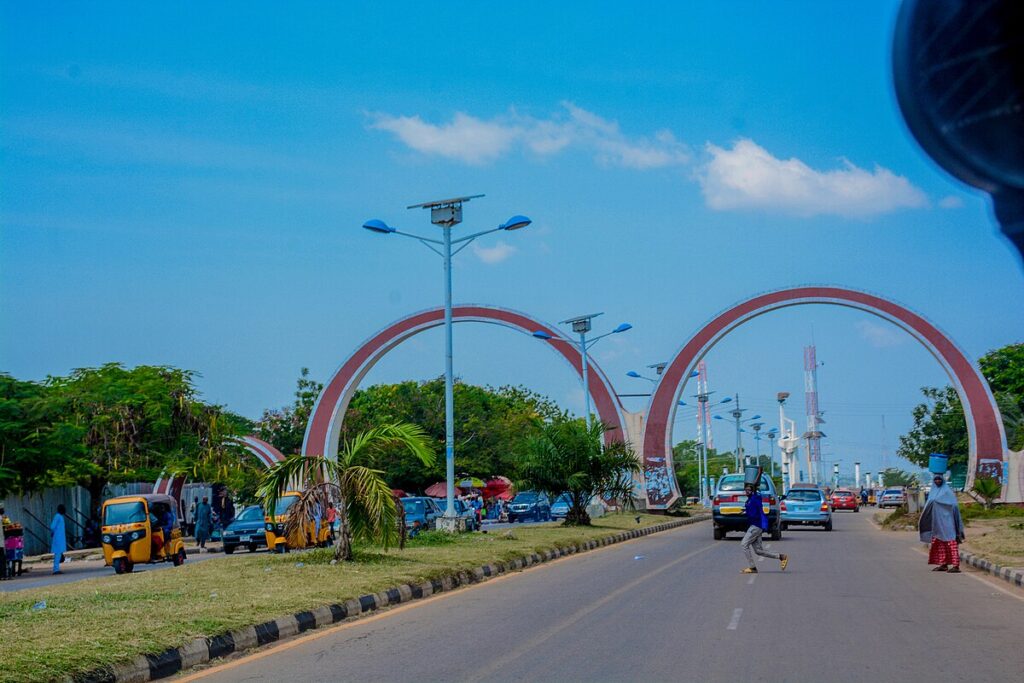
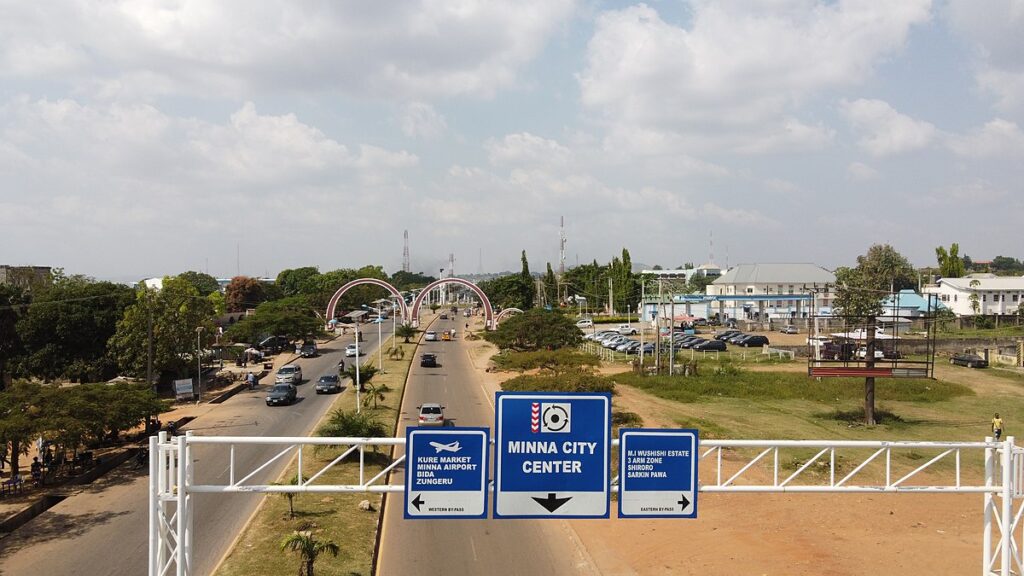
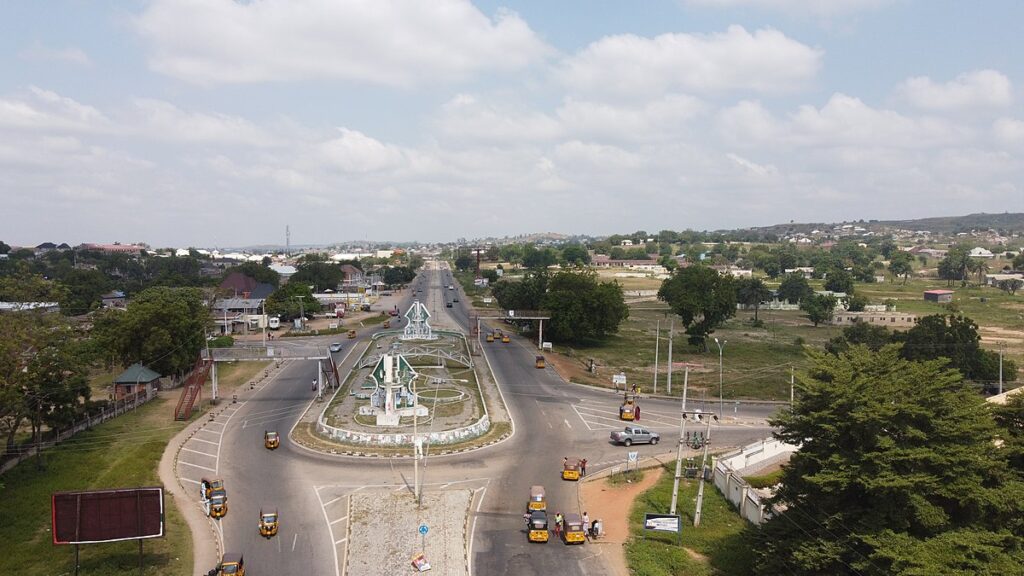
Minna, Nigeria, is a lively and culturally rich city nestled in the central part of the country, in Niger State. As the capital of Niger State, Minna has a population of roughly 400,000 and plays a crucial role as a hub for agriculture, trade, and education in northern Nigeria. Known for its relaxed atmosphere, friendly residents, and proximity to natural attractions, Minna is both a gateway to Nigeria’s central highlands and a city steeped in history and culture. It’s a place where traditional Hausa customs blend with modern developments, and where life moves at a rhythm that reflects the balance between urban energy and rural charm.
Minna’s history goes back to its days as a small Hausa settlement and trade post, with early records showing its importance along the ancient trade routes that passed through the region. During the colonial period in the early 20th century, Minna was transformed into a railway town, with the construction of rail lines connecting it to Lagos in the south and Kano in the north. This railway boost not only stimulated the local economy but also drew people from various regions, contributing to Minna’s diversity. Today, remnants of Minna’s colonial past can still be seen in its architecture, railway stations, and markets, which are a bustling center of commerce and cultural exchange. Since becoming the capital of Niger State in 1976, Minna has grown into a vital administrative and commercial center, with government offices, educational institutions, and local businesses shaping its economy and identity.
Geographically, Minna is located in Nigeria’s Guinea Savannah zone, characterized by rolling hills, rocky outcrops, and fertile plains. The city’s elevation gives it a mild climate compared to the hotter northern regions, with temperatures averaging around 29°C throughout the year. The wet season, which runs from April to October, brings lush green landscapes and ample rainfall, while the dry season, from November to March, sees cooler temperatures and Harmattan winds. The Chanchaga River flows close to Minna, providing water resources that are essential for agriculture and daily life in the region. The city’s natural setting makes it a pleasant destination, with nearby attractions like the Gurara Waterfalls and Zuma Rock offering scenic spots for day trips and adventures.
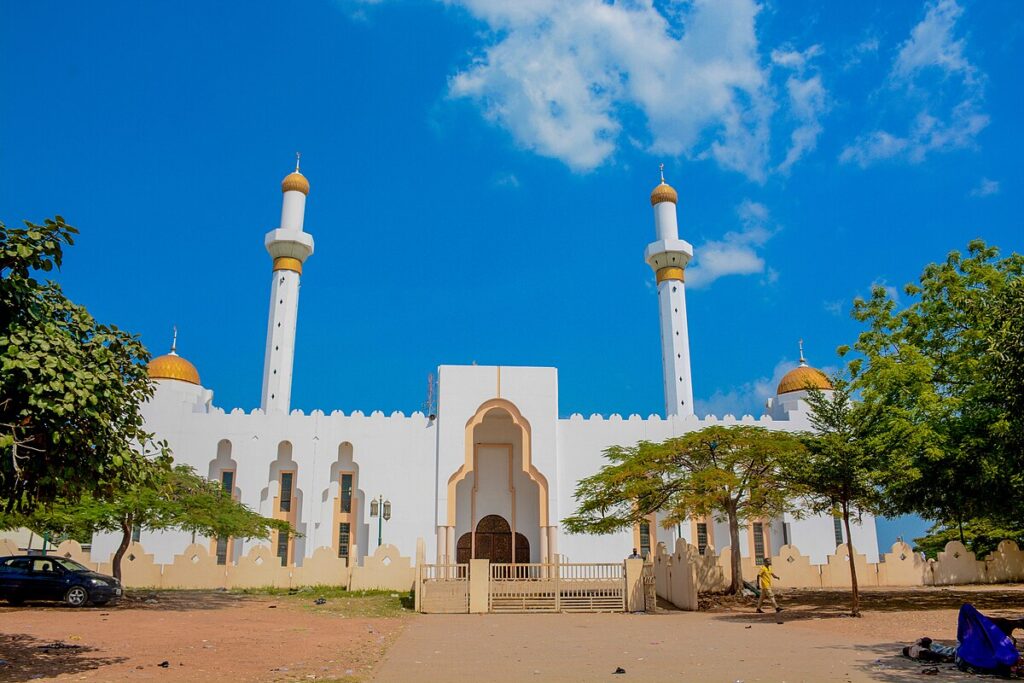
Culturally, Minna is a melting pot of ethnicities, primarily made up of the Gwari (Gbagyi), Hausa, and Nupe people, with a strong influence from Islam, which is the dominant religion. The cultural traditions of these groups are woven into everyday life, from language to festivals, dress, and music. One of the most celebrated festivals is the Gwari Gani Festival, an annual event that showcases Gwari dances, music, and traditional attire, drawing visitors and locals alike. Minna is known for its crafts, especially pottery and traditional weaving, which are popular in local markets and serve as cultural souvenirs. The city’s markets, such as the popular Minna Central Market, are lively places where vendors sell everything from fresh produce to handmade crafts, reflecting the diverse heritage of the city. Minna also has a strong Hausa influence, visible in the traditional clothing, food, and the Hausa language, which is widely spoken along with English.
The people of Minna are known for their hospitality, resilience, and dedication to family and community. Many residents work in agriculture, with farming being a key part of the local economy. Crops like maize, millet, rice, yam, and sorghum are commonly grown in the surrounding areas, and many families have been involved in farming for generations. Education is also important to the people of Minna, with Niger State College of Education and the Federal University of Technology, Minna (FUT Minna) providing higher education opportunities that attract students from across the country. FUT Minna, in particular, is known for its programs in engineering, science, and technology, contributing to the city’s intellectual life and providing a skilled workforce for various industries. Community gatherings, weddings, and religious ceremonies are essential parts of life in Minna, fostering strong social bonds and a sense of belonging among residents.
Economically, Minna’s economy is driven by agriculture, trade, and education, with an emerging focus on small-scale industries. The city’s fertile lands and favorable climate make it ideal for farming, and agriculture remains the mainstay of the economy. Farmers in the area produce crops such as rice, yams, millet, and cassava, which are sold in local markets and transported to other parts of Nigeria. Livestock farming, including cattle, goats, and poultry, is also significant, contributing to both the economy and the local diet. Minna’s role as a regional trade center is supported by its proximity to major cities like Abuja, making it a crucial link for goods moving between the north and south. The Minna Central Market is a bustling hub of commerce, where traders sell food, textiles, and household goods, attracting buyers from neighboring towns and states. Education is another pillar of Minna’s economy, with the presence of universities and colleges providing jobs and drawing a large student population that supports local businesses.
Transportation in Minna is well-connected to other regions in Nigeria, thanks to its location on the railway and highway networks. The Minna Railway Station serves as a key stop on the Nigerian Railway Corporation’s lines, connecting the city to Lagos, Kano, and other major cities. For road transport, Minna is connected by highways to Abuja, Bida, and Kaduna, making it accessible for both passenger and goods transportation. Within the city, minibuses, taxis, and motorcycle taxis (okadas) are commonly used for getting around, while commercial buses connect Minna with nearby towns and states. Minna Airport, located about 10 kilometers from the city center, handles domestic flights, although it is primarily used by government officials and VIPs. Despite its small size, the airport serves as a convenient link to other parts of Nigeria, especially for official travel.
Housing in Minna ranges from traditional mud houses in older neighborhoods to modern apartments and new developments in areas like Bosso and Chanchaga. The city’s residential areas reflect a blend of rural and urban living, with traditional Gwari and Hausa architecture alongside more contemporary buildings. Housing is generally affordable, making Minna an attractive choice for students, families, and young professionals seeking a quieter, more budget-friendly alternative to larger cities like Abuja. Newer housing developments and estates provide modern amenities, while traditional areas offer a close-knit community feel, with neighbors often sharing resources and gathering for social events. Minna’s relaxed pace of life and affordable housing make it an appealing option for those looking to settle in central Nigeria.
Entertainment and recreation in Minna include a mix of natural attractions, local festivals, and community gatherings. The nearby Gurara Waterfalls, about an hour’s drive from Minna, is a popular destination for day trips, offering beautiful views and picnic spots. For hiking enthusiasts, the famous Zuma Rock, located on the way to Abuja, provides a challenging trek and stunning scenery. In the city, the Minna Polo Club offers sports events and social gatherings, while local festivals like the Sallah celebrations bring the community together for feasts, dances, and cultural performances. Minna’s markets and food stalls are also a source of entertainment, with street vendors selling local snacks like suya (spiced grilled meat) and kilishi (dried spiced meat). For those interested in history, the Emir’s Palace and the Gwari cultural sites offer a glimpse into Minna’s heritage and traditional customs.
The food scene in Minna is rooted in northern Nigerian cuisine, with an emphasis on grains, meat, and traditional dishes. Popular foods include tuwo (a thick porridge made from maize or millet), served with various soups like miyan kuka (baobab leaf soup) or miyan taushe (pumpkin soup). Rice dishes, such as jollof rice and fried rice, are also popular, especially for celebrations and gatherings. Minna is known for its grilled meat dishes, including suya, which is seasoned and grilled over open flames, and is a favorite street food across the city. Fresh produce is available in local markets, with vendors selling fruits, vegetables, and spices that are used in traditional Hausa and Gwari cooking. Minna’s markets and food stalls offer an affordable and authentic taste of Nigerian flavors, with dishes that reflect the region’s agricultural bounty and cultural heritage.
Minna has made strides in promoting sustainable development, particularly in agriculture and waste management. Local initiatives focus on encouraging sustainable farming practices, such as crop rotation and conservation agriculture, to improve food security and protect the environment. Programs aimed at reducing plastic waste and promoting recycling have also been introduced, with community groups and schools involved in environmental awareness campaigns. Minna’s commitment to sustainability is evident in its efforts to balance growth with environmental responsibility, ensuring that the city’s natural resources and green spaces are preserved for future generations.
Minna is a city where tradition meets progress, offering a mix of rural charm and urban conveniences. From the historic railway station and bustling markets to the serene landscapes of Gurara Waterfalls, Minna is a place that celebrates its heritage while looking toward the future. With its friendly residents, diverse culture, and growing economy, Minna is a city that welcomes everyone with open arms. Whether you’re exploring local festivals, enjoying a plate of suya, or simply soaking in the views of the central highlands, Minna offers an authentic Nigerian experience that’s both enriching and unforgettable.
Leave a Reply