


| Country | Tunisia |
| Population | 341999 |
| Area | None |
| Time Zone | UTC+1 (CET) |
| Coordinates | 34.74, 10.76 |
| Highest elevation | 0 m (0 ft) |
City Gallery
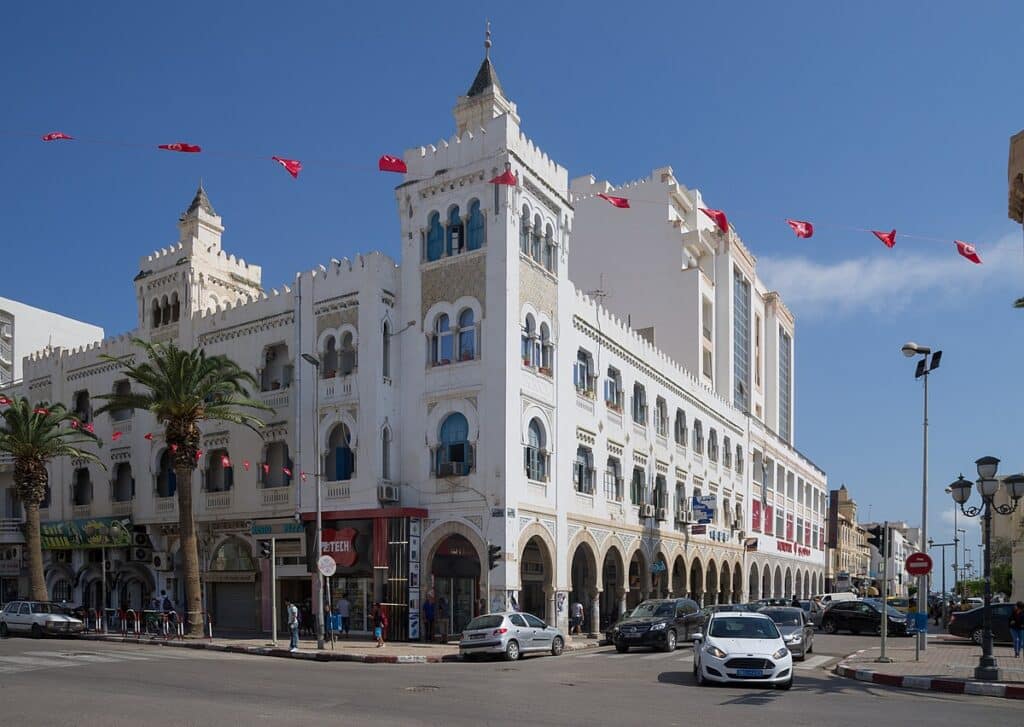




City Description
Sfax, Tunisia, is a bustling port city with a strong industrial base, a rich history, and a unique blend of traditional and modern influences. Located on Tunisia’s eastern coast, around 270 kilometers south of the capital Tunis, Sfax is the second-largest city in the country with a population of over 330,000 people. Known as the “economic capital” of Tunisia, Sfax has long been a center for trade, industry, and commerce, contributing significantly to the country’s economy. Beyond its industrial reputation, Sfax is a city with deep historical roots, an impressive medina, and a proud culture that makes it distinct from other Tunisian cities.
The history of Sfax dates back to the Roman period, though the city as it’s known today was officially founded in 849 AD during the Aghlabid era. Built on the ruins of ancient Taparura, Sfax was constructed with a focus on trade and defense, leading to the creation of its famous medina, fortified with high walls and impressive gates. Over the centuries, Sfax grew into a key trading hub, connecting North Africa to the Mediterranean and beyond. It was a major center for olive oil and other agricultural products. During the colonial era, Sfax came under French rule, which brought industrial growth but also a strong resistance movement, with Sfax playing a significant role in Tunisia’s push for independence. Today, Sfax retains its reputation as a hardworking, no-nonsense city, known for its entrepreneurial spirit and a certain straightforward charm.
Geographically, Sfax is located on the Gulf of Gabès, which provides the city with access to Mediterranean trade routes and supports its thriving port. The climate is Mediterranean, with hot, dry summers that reach up to 36°C and mild winters averaging around 15°C. Rainfall is sparse and usually occurs in the cooler months, leading to a dry landscape around the city. The coast near Sfax is dotted with fishing villages, salt flats, and the Kerkennah Islands, a peaceful archipelago just off the coast that offers a scenic escape from the bustling city. Sfax’s location has historically made it ideal for trade and fishing, and these industries continue to shape the city’s economy and culture.
Culturally, Sfax is distinct from other Tunisian cities due to its strong local identity and pride in its heritage. The people of Sfax, known as “Sfaxiens,” are known for their hard work, hospitality, and commitment to preserving traditional values. The city’s medina, or old city, is the beating heart of Sfax’s culture, with its maze of narrow streets, souks, and historic architecture. The medina is well-preserved, featuring walls that date back to the city’s founding, and is one of the few remaining “living” medinas in Tunisia where people still reside and work. In the souks, you’ll find stalls selling everything from olive oil and dates to traditional Sfaxi pottery and textiles, reflecting the region’s artisanal craftsmanship.
Sfax’s cuisine is another integral part of its culture, famous for its seafood and rich flavors. Dishes like “mosli” (a lamb stew with spices and herbs) and “shakshuka” (eggs poached in a spicy tomato sauce) are popular, alongside an abundance of seafood caught fresh from the Gulf of Gabès. Sfaxi cooking is also known for its liberal use of garlic, olive oil, and harissa (a spicy chili paste), which add bold flavors to many local dishes. Specialties unique to Sfax include “bsisa,” a nutritious mix of roasted wheat and fenugreek used in both meals and as a staple for special occasions. In addition, Sfax’s sweets, like “baklawa” and “makroud,” are enjoyed during celebrations and religious festivals.
The people of Sfax are industrious and focused on self-sufficiency, with many working in fields related to trade, manufacturing, and agriculture. Sfax has one of Tunisia’s largest university centers, the University of Sfax, which attracts students from across the region to study in fields such as engineering, business, and the sciences. This strong educational presence has helped develop a skilled workforce that fuels the local economy, with graduates contributing to industries like healthcare, technology, and agriculture. The city’s skilled artisans are known for their work in pottery, textiles, and olive oil production, with crafts and goods produced here often sold in Tunisia’s major markets or exported abroad.
Economically, Sfax is one of Tunisia’s powerhouses, with a diverse economy that includes manufacturing, agriculture, and a major port. The city is a leading producer of olive oil, with thousands of hectares of olive groves surrounding it and providing both local employment and export revenue. Sfax also produces large quantities of seafood, phosphates, and salt, with processing plants and factories located throughout the region. The port of Sfax is one of the busiest in Tunisia, handling everything from industrial exports to fishing boats and passenger ferries to the Kerkennah Islands. In recent years, Sfax has seen growth in sectors such as information technology and finance, with local businesses and international companies investing in the city’s tech sector. The Sfax International Fair, held annually, showcases the city’s industrial and commercial strengths, drawing participants and visitors from around the region.
Transportation in Sfax is well-developed, with multiple options for residents and visitors. The Sfax-Thyna International Airport connects the city to domestic and regional destinations, with flights to cities like Tunis, Tripoli, and Paris. Sfax’s main train station provides rail connections to other parts of Tunisia, making it easy to travel between Sfax, Tunis, and the southern regions of the country. The city’s public transportation includes buses and taxis, which are affordable and widely used, while the port operates ferries that link Sfax to the Kerkennah Islands. Plans for infrastructure improvements, including expanded road networks and a possible metro system, aim to support Sfax’s growing population and economy.
Housing in Sfax is a mix of traditional and modern, with options for all income levels. In the city center and the medina, you’ll find older buildings with traditional courtyards, intricate tile work, and stone arches, many of which date back to the 19th and early 20th centuries. Newer neighborhoods on the outskirts of the city feature apartment buildings, villas, and residential complexes that cater to the needs of young families and professionals. The cost of living in Sfax is generally lower than in Tunis, making it an affordable place for both residents and students. The city has a variety of schools, healthcare facilities, and shopping centers, ensuring that residents have access to essential services.
Entertainment and recreation in Sfax are centered around its rich history, natural beauty, and cultural events. The medina is a focal point, where locals and visitors alike explore its souks, mosques, and cafes. The Archaeological Museum of Sfax is a must-visit, showcasing artifacts that tell the story of the city’s ancient past. For those interested in nature, the nearby Kerkennah Islands offer a peaceful retreat, with sandy beaches, fishing villages, and a slower pace of life. The islands are popular for weekend getaways, with ferries running regularly from Sfax’s port. Sfax is also known for its vibrant music and art scenes, with events like the Sfax International Festival drawing artists, musicians, and performers from across Tunisia and beyond.
In recent years, Sfax has focused on modernization and sustainable development. The city government has launched initiatives to improve waste management, promote recycling, and expand green spaces. Plans to restore the waterfront area, known as Taparura, aim to transform it into a recreational and residential area, with parks, beaches, and walking paths along the coast. Sfax is also working to develop its tech industry, with investments in business parks and tech incubators that support startups and innovation, helping diversify the economy and create jobs.
Overall, Sfax is a city that exemplifies hard work, resilience, and authenticity. Known for its industrious people, rich history, and economic importance, Sfax remains a vital part of Tunisia’s identity. Whether you’re strolling through the bustling medina, sampling local seafood, or taking in the view of the Gulf from a café terrace, Sfax offers an experience that’s refreshingly different from more tourist-centric areas of Tunisia. It’s a place where tradition and modernity meet, where the sounds of trade and industry mix with the timeless call to prayer, and where the spirit of the Mediterranean is alive in every street and market. For those looking to explore a more authentic side of Tunisia, Sfax is a city that reveals itself in layers, each one more fascinating than the last.
Leave a Reply