

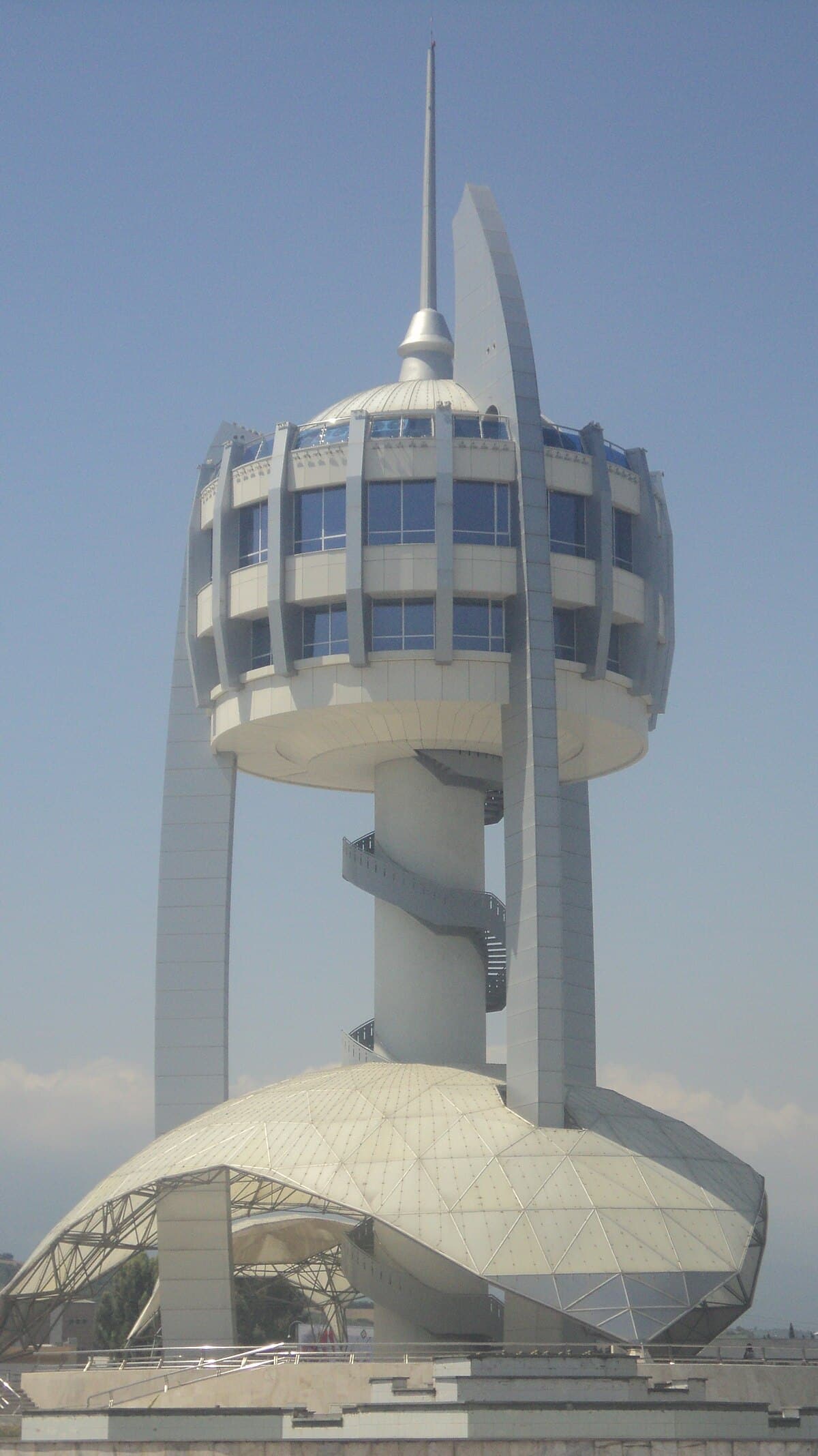
| Country | Iran |
| Population | 350676 |
| Area | 64 km2 (24 sq mi) |
| Time Zone | UTC+03:30 (IRST) |
| Coordinates | 36.83694444444445, 54.43722222222222 |
| Highest elevation | 155 m (509 ft) |
City Gallery




City Description
Gorgan, Iran, is a vibrant city located in the northeast of the country, nestled between lush forests and the steppes of Golestan province. With a population of around 350,000, Gorgan is the capital of Golestan and sits approximately 400 kilometers from Tehran. Known for its unique geography, rich history, and cultural diversity, Gorgan is where Persian culture meets the natural beauty of the Caspian region. The city’s landscape is marked by a mix of green plains, rolling hills, and the Alborz Mountains to the south, making it an attractive destination for nature lovers and history enthusiasts alike.
Historically, Gorgan has deep roots, dating back to ancient Persia. Originally known as Hyrcania, it was once part of a region called Gorgan (or Jorjan) during the Parthian and Sassanian empires, making it a significant center of trade and culture. The ancient Gorgan Wall, also called the Red Snake due to the color of its bricks, stretches for over 200 kilometers and is considered one of the world’s longest defensive walls, marking the city’s historical importance as a defensive hub against northern invasions. Over centuries, Gorgan transformed from a strategic military stronghold into a flourishing cultural and economic center. The city has seen influences from various dynasties and civilizations, and its architectural and archaeological heritage still resonates with those who visit its historical sites.
Geographically, Gorgan is located between the fertile plains of the Caspian Sea to the north and the foothills of the Alborz Mountains to the south, giving it a mild, temperate climate. Summers are warm, averaging around 28°C, while winters are mild, with temperatures rarely dropping below 5°C. The city receives ample rainfall, particularly in autumn and winter, which supports its lush landscapes and agricultural productivity. The Golestan National Park, just a short drive from the city, is one of Iran’s largest and oldest national parks, home to diverse wildlife, including leopards, deer, and various bird species, and is a UNESCO Biosphere Reserve. This natural diversity makes Gorgan a popular spot for eco-tourism and outdoor activities like hiking and bird-watching.
Culturally, Gorgan is a melting pot, influenced by Persian, Turkmen, and Mazandarani traditions. The population is a mix of Persian, Turkmen, and other ethnic groups, each contributing to the city’s vibrant cultural tapestry. This diversity is celebrated through festivals, music, and food, creating a unique cultural identity. The Turkmen population, for instance, is known for its traditional handicrafts, especially carpet weaving, which showcases intricate designs and bright colors that have become symbols of the region. Local cuisine in Gorgan is rich and flavorful, with dishes like “Kebab Torsh” (sour kebab), “Ash Reshteh” (a thick noodle soup), and the distinctive “Kateh Goosht,” a rice and meat dish often prepared for special occasions. Gorgan’s bazaars are bustling with local vendors selling spices, textiles, and traditional sweets, providing a sensory experience for anyone wandering through the city’s streets.
The human resources in Gorgan are largely oriented around agriculture, education, and trade. The fertile land and favorable climate make the area ideal for farming, and a significant portion of the population works in agriculture. Gorgan is known for producing rice, wheat, cotton, and a variety of fruits, particularly oranges, apples, and pomegranates. The nearby forests also contribute to the local economy, providing timber and other forest products. Education is another vital sector, with Gorgan University of Agricultural Sciences and Natural Resources being a prominent institution in the city. This university focuses on agriculture, environmental sciences, and engineering, helping to develop a skilled workforce that supports the region’s agricultural and environmental initiatives.
Economically, Gorgan is sustained by a mix of agriculture, trade, and tourism. The fertile lands around the city make agriculture the cornerstone of its economy, with crops like rice, wheat, and various fruits being essential products. The region is also known for its thriving dairy industry, producing milk, cheese, and yogurt that are distributed across northern Iran. In addition to agriculture, Gorgan has a growing trade sector, benefiting from its strategic location as a gateway between Iran and Central Asia. The city’s proximity to the Turkmenistan border and the Caspian Sea allows for active trade routes, which support local businesses and provide access to international markets.
Tourism is increasingly contributing to Gorgan’s economy, with the city’s historical sites, natural parks, and cultural diversity attracting both domestic and international visitors. The Gorgan Wall, as well as historical buildings like the Jameh Mosque and the Astarabad Citadel, offer glimpses into the city’s storied past, while the lush surroundings of Golestan National Park and the nearby Alangdareh Forest Park draw nature enthusiasts year-round. In recent years, Gorgan’s tourism industry has been growing, with new hotels, restaurants, and cultural centers enhancing the visitor experience and providing jobs for locals.
Transportation in Gorgan is well-developed, making it accessible to travelers from across Iran and beyond. The Gorgan Airport connects the city to major destinations like Tehran and Mashhad, facilitating both tourism and trade. Within the city, public transportation includes buses and taxis, making it easy for residents to get around. Gorgan is also connected to the national railway network, with trains linking it to major cities like Tehran, providing an affordable and scenic travel option. The city’s road infrastructure has seen improvements in recent years, with highways connecting it to nearby cities, the Caspian coast, and the border with Turkmenistan.
Housing in Gorgan is diverse, with options ranging from traditional Persian-style homes in older neighborhoods to more modern apartments and residential complexes in newer parts of the city. The traditional homes, often featuring courtyards, arches, and decorative tile work, add to the charm of Gorgan’s historic neighborhoods. In the more developed areas, housing complexes cater to the needs of a growing population, particularly young families and professionals. The cost of living in Gorgan is relatively moderate compared to Iran’s larger cities, making it an attractive place for families and retirees looking for a peaceful lifestyle. The city has a range of healthcare facilities, schools, and markets, ensuring residents have access to essential services.
Entertainment and recreation in Gorgan revolve around its natural beauty and cultural heritage. Golestan National Park, just outside the city, is a favorite spot for locals and tourists alike, offering hiking trails, camping sites, and picnic areas where visitors can enjoy the stunning landscapes and observe wildlife. The Alangdareh Forest Park is another popular destination, particularly in the autumn when the trees turn golden and red, creating breathtaking scenery. For those interested in history, the Gorgan Wall and various ancient sites provide a window into the city’s past. The local bazaars are bustling with activity, offering a mix of traditional foods, handicrafts, and textiles that make for a lively shopping experience. In the evenings, locals gather in cafes and tea houses to relax and socialize, while the city’s cultural centers often host events, including music performances, theater, and traditional dance.
In recent years, Gorgan has been focused on sustainable development, with projects aimed at preserving its natural resources and improving urban infrastructure. The city government has implemented programs to enhance waste management, reduce pollution, and promote eco-friendly practices, particularly in tourism and agriculture. Gorgan is also working on urban beautification projects, including the restoration of historical buildings and the development of public spaces like parks and recreational areas, aimed at improving the quality of life for its residents while making the city more attractive to visitors.
Overall, Gorgan is a city that combines natural beauty with historical depth. Its green landscapes, ancient sites, and diverse cultural influences make it a truly unique place in Iran. Whether you’re exploring the winding streets of the old city, hiking through national parks, or enjoying a meal of local specialties, Gorgan offers a warm and welcoming experience filled with the richness of Persian and Turkmen heritage. With its strong agricultural foundation, growing tourism industry, and commitment to sustainable development, Gorgan is a city that embraces both its past and its future, making it a hidden gem of northern Iran.
Leave a Reply