


| Country | Montenegro |
| Population | 209676 |
| Area | None |
| Time Zone | UTC+1 (CET) |
| Coordinates | 32.339444444444446, -6.360833333333333 |
| Highest elevation | 620 m (2,030 ft) |
City Gallery
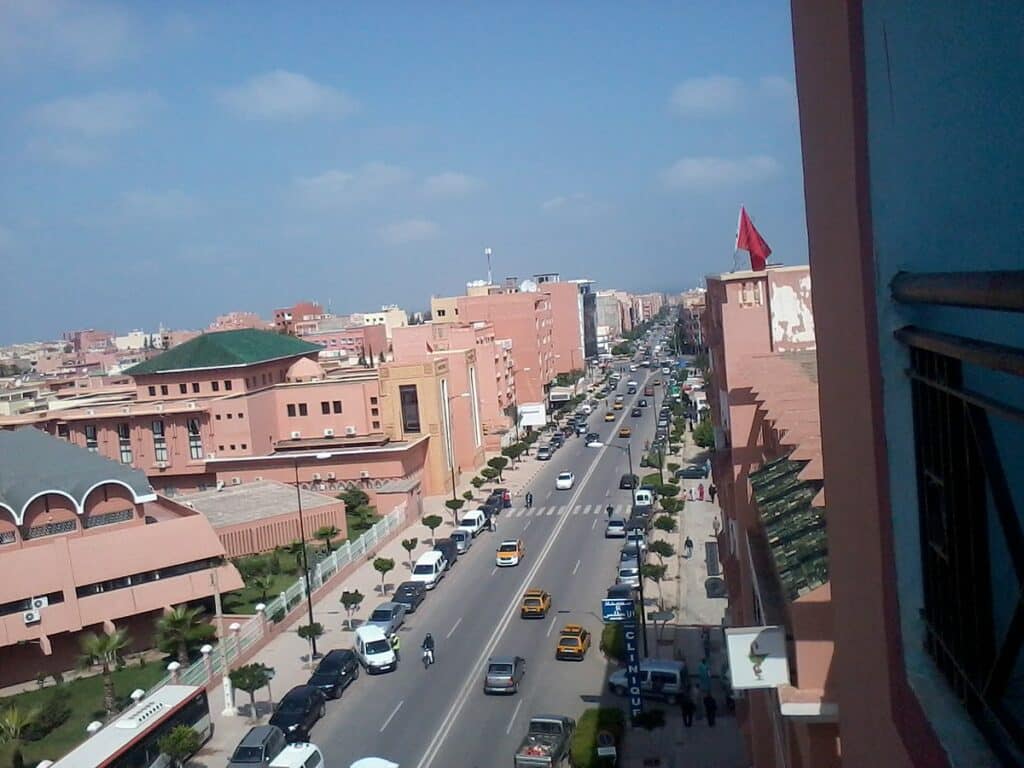
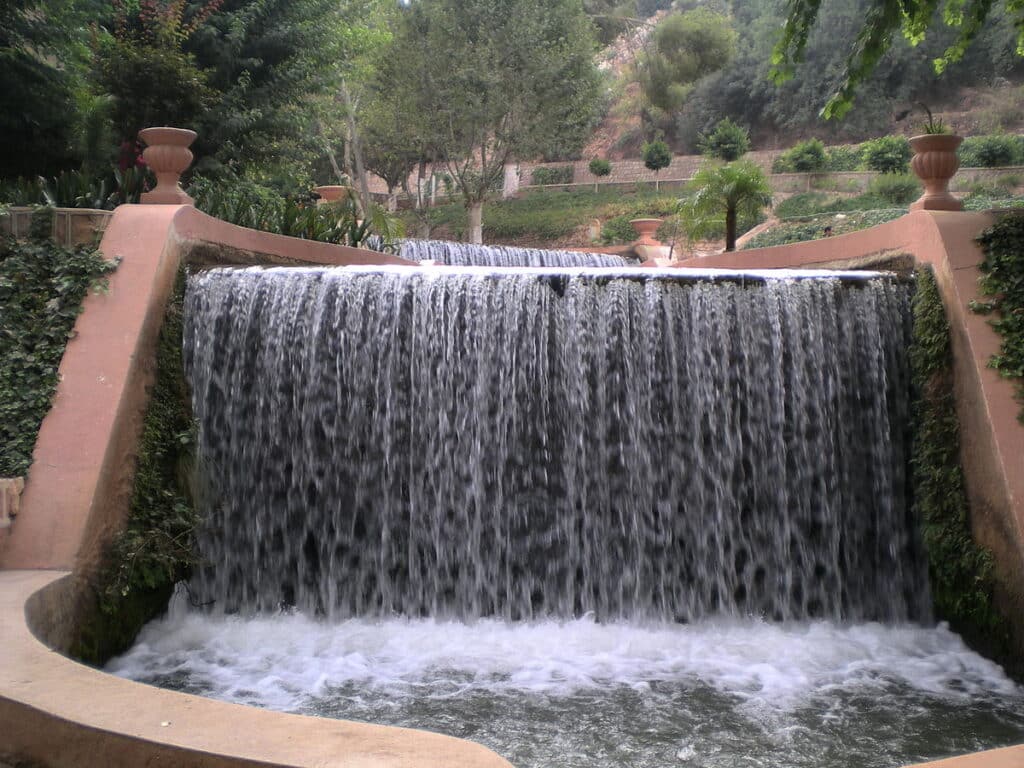
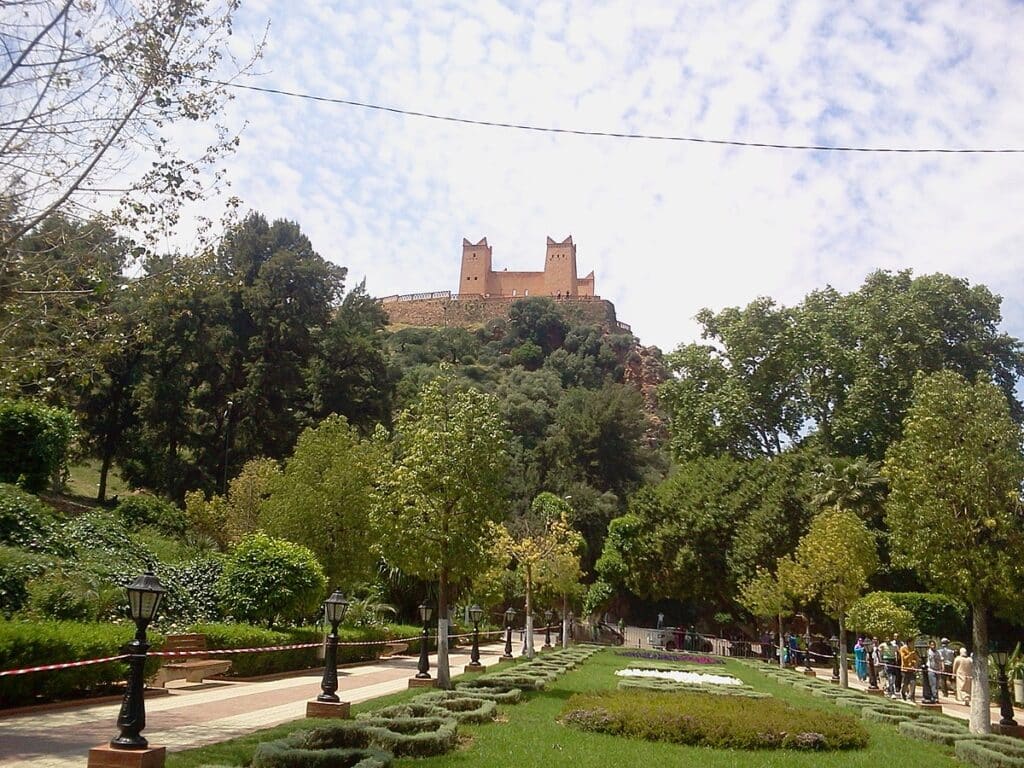


City Description
Béni-Mellal is actually a city located in Morocco, not Montenegro. Situated in central Morocco, Béni-Mellal is known for its beautiful mountainous landscape, agricultural economy, and historic charm. It lies at the foot of the Middle Atlas Mountains and is approximately 220 kilometers from Casablanca, with a population of around 200,000 people. Béni-Mellal is a key city within the Tadla-Azilal region, serving as both an agricultural hub and a scenic destination known for its natural beauty, traditional Moroccan culture, and historic sites.
The history of Béni-Mellal dates back centuries, with the city’s roots connected to the Berber tribes that have inhabited the region since ancient times. The city grew around the Kasbah Bel-Kush, a fortification built in the 17th century by Moulay Ismail, one of Morocco’s most notable rulers. This kasbah, with its thick stone walls and commanding view of the region, was intended to protect the area from invasions and to establish control over the surrounding lands. Béni-Mellal has always been strategically important due to its location between the Middle Atlas Mountains and the fertile Tadla plains. Over the years, it developed into a center of trade and agriculture, with its fertile land supporting a variety of crops and livestock. Today, it retains much of its historic charm while also expanding as a modern Moroccan city.
Geographically, Béni-Mellal is ideally situated between the mountains and the plains, providing a diverse landscape that includes everything from green valleys to rugged hillsides. The city covers an area of around 95 square kilometers and sits at an altitude of about 620 meters, giving it a pleasant, moderate climate. Béni-Mellal experiences a Mediterranean climate with hot, dry summers where temperatures can reach 35°C (95°F) and mild, rainy winters averaging around 10°C (50°F). The Middle Atlas Mountains surrounding the city not only add to its scenic beauty but also contribute to the region’s agriculture by providing a water source. The Bin el Ouidane Dam nearby is a significant reservoir that supplies water for irrigation and hydroelectric power, supporting both the city and the surrounding agricultural lands.
Culturally, Béni-Mellal is a blend of Berber traditions and Moroccan customs, creating a unique atmosphere that’s distinctly Moroccan. The city is known for its traditional music, particularly Amazigh (Berber) tunes, which are often played at local festivals and gatherings. Artisans in Béni-Mellal are skilled in traditional crafts such as weaving and pottery, with colorful rugs and ceramics being popular items in local markets. Festivals in Béni-Mellal highlight its cultural heritage, especially during religious events and the annual harvest season. The city’s souks, or markets, are bustling centers of activity where locals buy fresh produce, textiles, and handcrafted goods, offering visitors a chance to experience daily Moroccan life. Arabic is the primary language spoken, but Berber languages are also widely understood, especially among the older generations.
Education in Béni-Mellal has improved significantly over the past few decades, with various schools and a growing emphasis on higher education. The Sultan Moulay Slimane University, located in Béni-Mellal, is one of the city’s primary institutions, offering courses in science, technology, and the humanities. The university plays an important role in training the local workforce, particularly in fields related to agriculture, education, and engineering, which are essential for the region’s development. Public and private schools in Béni-Mellal provide primary and secondary education, with increasing access to quality education as Morocco invests in rural and regional education initiatives. Vocational training centers also help equip young people with practical skills needed in local industries, such as farming, mechanics, and construction.
The economy of Béni-Mellal is primarily agricultural, with the region known as one of Morocco’s major food-producing areas. Olive groves, orange orchards, and wheat fields are common sights around the city, with the fertile plains providing ideal conditions for farming. Olive oil production is especially significant, with many small and large producers processing olives harvested in the region. Citrus fruits, particularly oranges, are also important to the local economy, and many products are exported to European markets. Additionally, Béni-Mellal has a strong livestock industry, with sheep and cattle being raised for both meat and dairy. The Bin el Ouidane Dam supports irrigation, helping farmers cultivate crops year-round. In recent years, Béni-Mellal has seen some industrial growth, with small manufacturing businesses and food processing plants contributing to the economy. Tourism, while still developing, is growing as more visitors discover the natural beauty of the region, including the nearby waterfalls of Ouzoud, which draw nature lovers from across Morocco and beyond.
Infrastructure in Béni-Mellal is continually developing, with improvements in transportation, utilities, and public services. The city is connected to other parts of Morocco by a network of highways and regional roads, making it accessible from major cities like Casablanca and Marrakech. Public transportation within Béni-Mellal includes buses and taxis, which are commonly used by residents for daily commuting. The city is also part of a broader rail network that connects it to other important Moroccan cities, providing a convenient travel option for longer journeys. Water and electricity are generally reliable, supported by the Bin el Ouidane Dam, which provides a significant portion of the region’s water and energy needs. Healthcare services in Béni-Mellal include public hospitals and private clinics, though more specialized medical care is often found in larger cities.
The people of Béni-Mellal are known for their hospitality, warmth, and strong sense of community. The city’s population includes a mix of Berbers and Arabs, creating a diverse cultural landscape where traditional customs are preserved alongside modern influences. Family life is central to Béni-Mellal’s culture, with extended families often living together or near each other. The community is close-knit, with neighbors and friends gathering for social events, religious celebrations, and local festivals. Islamic customs are central to daily life, with mosques playing a prominent role in the community, especially during Ramadan and Eid celebrations. Traditional values coexist with a growing openness to modernity, as younger generations pursue higher education and new career opportunities while still honoring their heritage.
Quality of life in Béni-Mellal is marked by its peaceful environment, access to fresh produce, and a balance between urban amenities and rural charm. Housing in Béni-Mellal ranges from traditional Moroccan homes to more modern apartments, providing options for both families and young professionals. The cost of living in Béni-Mellal is relatively affordable compared to Morocco’s larger cities, making it an attractive option for those seeking a quieter lifestyle. Local markets provide fresh produce, dairy, and meats, while supermarkets and shops offer a mix of local and international goods. The region’s natural beauty, including parks and the scenic Middle Atlas Mountains, offers outdoor recreation opportunities, from hiking and picnicking to weekend visits to the Ouzoud Waterfalls. Healthcare and educational facilities are improving, and the city’s slower pace of life makes it a comfortable place to live for families and retirees alike.
Shopping and dining in Béni-Mellal offer a taste of traditional Moroccan culture, with local markets, cafes, and restaurants serving regional specialties. The city’s souks are vibrant centers of commerce where you can find handcrafted rugs, ceramics, spices, and olive oil, as well as fresh fruits, vegetables, and meats. Dining in Béni-Mellal includes traditional Moroccan dishes such as *tajine* (a slow-cooked stew), *couscous*, and *harira* (a spiced soup). Local cafes are popular gathering spots where residents enjoy Moroccan mint tea and pastries. Street vendors offer snacks like *msemen* (a Moroccan flatbread), *maakouda* (potato fritters), and sweets made from honey and almonds. Béni-Mellal’s culinary scene is a blend of Berber and Arabic flavors, reflecting the cultural diversity and agricultural abundance of the region.
Environmental sustainability is increasingly important in Béni-Mellal, with efforts focused on water conservation, sustainable farming, and waste management. The Bin el Ouidane Dam plays a critical role in providing water for agriculture, and there are ongoing efforts to promote efficient irrigation techniques to conserve this vital resource. Farmers in the region are encouraged to adopt sustainable practices, such as crop rotation and organic farming, to protect soil fertility and reduce environmental impact. The city also has initiatives aimed at reducing waste and promoting recycling, with awareness campaigns to encourage responsible consumption among residents. Environmental organizations and local government bodies are working together to protect the region’s natural landscapes, including the Middle Atlas Mountains and the Ouzoud Waterfalls, ensuring that the area’s natural beauty is preserved for future generations.
Béni-Mellal is a city that embodies the beauty and resilience of Morocco’s heartland. From its rich agricultural heritage and historic sites to its scenic mountains and vibrant community, Béni-Mellal offers a unique experience that captures the essence of Moroccan life. For residents, it’s a place of tradition, family, and connection to the land, where community bonds are strong and everyday life is filled with cultural pride. For visitors, Béni-Mellal is an invitation to explore Morocco’s landscapes, enjoy its flavors, and experience the warmth of its people. Whether you’re wandering through the bustling souks, exploring the mountains, or savoring a traditional meal, Béni-Mellal offers a rich and authentic experience that is both timeless and uniquely Moroccan.
Leave a Reply