

| Country | Philippines |
| Population | 325079 |
| Area | 176.00 km2 (67.95 sq mi) |
| Time Zone | UTC+8 (PST) |
| Coordinates | 7.216666666666667, 124.25 |
| Highest elevation | 102 m (335 ft) |
City Gallery




City Description
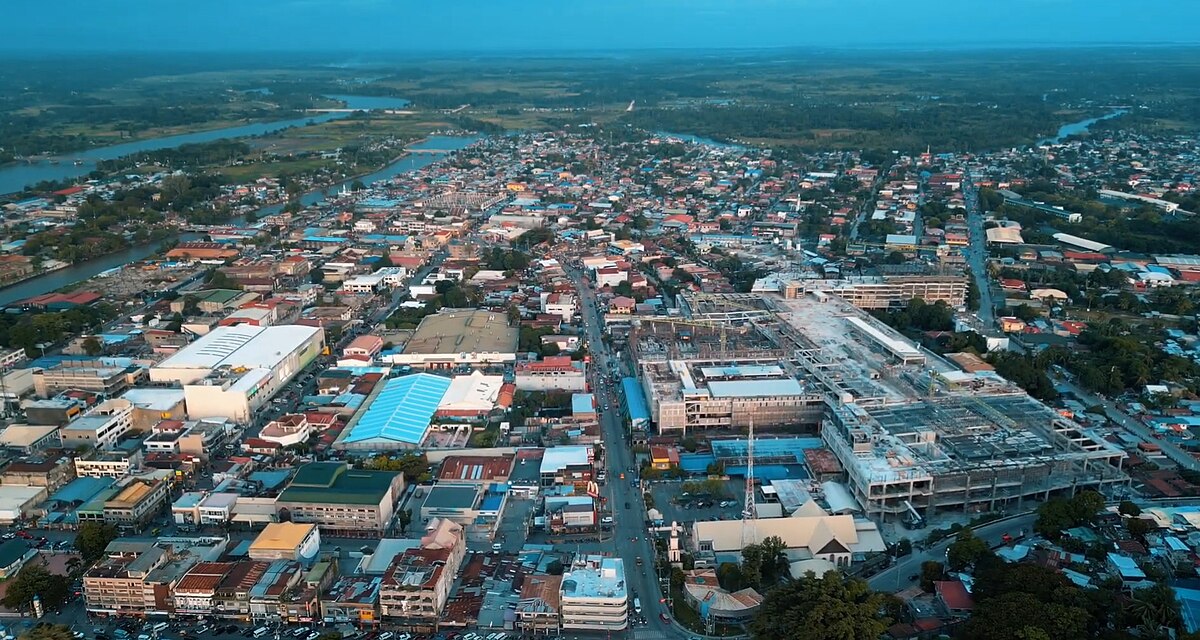
Cotabato City, a bustling hub in the southern Philippines, is a unique and culturally diverse city located in the Bangsamoro Autonomous Region in Muslim Mindanao (BARMM). With a population of around 300,000 people, Cotabato City is known for its vibrant culture, rich history, and strategic position as a key economic center in Mindanao. Nestled along the banks of the Rio Grande de Mindanao, the longest river in Mindanao, Cotabato City offers a mix of urban energy and natural beauty, attracting people from all walks of life who come to live, work, and explore its dynamic landscape.
The history of Cotabato City stretches back to the pre-colonial era, when the region was part of the Sultanate of Maguindanao, one of the most powerful sultanates in the Philippines. The Maguindanaoan people, who are predominantly Muslim, have deep roots in the area, and their cultural legacy is still very much alive in the city today. During the Spanish and American colonial periods, Cotabato became a crucial center of trade and governance in Mindanao. In the early 20th century, the city continued to grow as an important administrative and economic hub. Today, Cotabato City remains culturally significant as it holds a special place in the Bangsamoro region, serving as the administrative center for various government offices, including the Bangsamoro Government Center, even though it is not part of BARMM territory itself.
Geographically, Cotabato City covers an area of about 176 square kilometers, bordered by the provinces of Maguindanao and Sultan Kudarat. The city’s landscape includes low-lying plains and is surrounded by the majestic Tamontaka and Matampay rivers, both of which connect to the larger Rio Grande de Mindanao. Cotabato City’s location near these waterways has historically made it a key trading point and agricultural zone. The climate here is tropical, with hot and humid weather throughout the year, and a distinct rainy season from June to October. Average temperatures range from 25°C to 33°C (77°F to 91°F), making Cotabato City warm year-round. The surrounding lush landscapes and nearby natural attractions, like the Tamontaka Church and the Grand Mosque of Cotabato, offer scenic spots that attract locals and visitors alike.
Culturally, Cotabato City is a melting pot of various ethnic groups and traditions, making it one of the most diverse cities in the Philippines. The majority of residents are Maguindanaoan, but there are also substantial communities of Maranao, Tausug, Cebuano, Tagalog, and Chinese residents. This cultural mix is evident in the city’s festivals, food, music, and everyday life. One of the city’s most notable events is the Shariff Kabunsuan Festival, held every December in honor of Shariff Kabunsuan, who is credited with introducing Islam to Mindanao. The festival features colorful parades, traditional boat races known as *guinakit*, street dancing, and other cultural performances that celebrate the city’s Islamic heritage. Cotabato is also home to the Sultan Haji Hassanal Bolkiah Masjid, or the Grand Mosque, which is the largest mosque in the Philippines and a stunning architectural landmark that draws worshippers and tourists from across the region.
Education in Cotabato City is well-developed, with a range of schools, colleges, and universities that cater to students from within the city and surrounding areas. Notre Dame University, one of the most prominent higher education institutions, offers programs in business, engineering, and the liberal arts and is known for its emphasis on quality education and community service. Other institutions like Cotabato City State Polytechnic College and STI College provide vocational and technical courses, supporting the city’s workforce development. There are also numerous public and private elementary and high schools that serve the local population, with education being highly valued in the community. Many of these schools incorporate both religious and secular education, reflecting the cultural diversity and values of Cotabato City’s residents.
The economy of Cotabato City is diverse, with strong sectors in trade, agriculture, retail, and services. The city serves as a major trading center in the region due to its strategic location and accessibility to other provinces in Mindanao. Cotabato City’s public markets, like the Mega Market and the Tamontaka Market, are bustling places where locals buy and sell goods ranging from fresh produce and seafood to textiles and crafts. Agriculture is a vital part of the economy, with rice, corn, and various fruits and vegetables grown in the surrounding areas and traded in the city. The city is also a commercial hub, with shopping centers like South Seas Mall and CityMall Cotabato providing retail, dining, and entertainment options. The services sector, including healthcare, banking, and real estate, has grown rapidly, supporting Cotabato City’s role as an administrative and economic center in the region.
Infrastructure in Cotabato City has seen steady improvement, particularly in transportation and utilities. The city is connected to other parts of Mindanao by road networks and has a well-functioning public transport system that includes jeepneys, tricycles, and buses. Cotabato City is also served by the Cotabato Airport, located in nearby Awang, Maguindanao, which provides flights to and from Manila, Cebu, and other key destinations. The city’s water supply is sourced from the Rio Grande de Mindanao, and efforts are ongoing to improve access to clean water, especially in more rural areas. In terms of healthcare, Cotabato City has several hospitals and medical centers, including Cotabato Regional and Medical Center, which is one of the largest hospitals in the region. These facilities provide essential healthcare services to residents and people from nearby provinces.
The people of Cotabato City are known for their hospitality, resilience, and sense of community. The city’s residents are mostly Muslim, but there is also a significant Christian population, making it a city where multiple religions and traditions coexist. Community life is deeply rooted in cultural and religious values, and family ties are very important. Festivals, religious events, and social gatherings are integral parts of daily life in Cotabato City, and people take pride in their local customs and heritage. Cotabateños are known for their hospitality and are eager to share their culture with visitors, whether it’s through food, music, or simply by sharing stories of the city’s history. The city’s diversity creates a unique atmosphere of mutual respect and collaboration, with residents working together to maintain peace and progress in their community.
Quality of life in Cotabato City is relatively high, especially for those who appreciate a blend of urban and traditional lifestyles. The cost of living is generally affordable, with housing options ranging from traditional homes to more modern apartments and residential communities. Local markets provide access to fresh and affordable food, and there are plenty of recreational areas, parks, and scenic spots around the city. The city’s proximity to natural attractions like Timaco Hill and Kusiong Beach makes it easy for residents to enjoy the outdoors. However, Cotabato City does face challenges, such as occasional flooding due to its location near major rivers, and efforts are ongoing to improve flood control and drainage systems. Despite these challenges, Cotabato City’s strong community ties, cultural vibrancy, and growing infrastructure make it a fulfilling place to live.
Shopping and dining in Cotabato City offer a mix of traditional and modern experiences. The city’s public markets are the heart of local commerce, selling fresh produce, seafood, meats, and spices, as well as local handicrafts and souvenirs. For a more modern shopping experience, residents can visit South Seas Mall or CityMall, which house a variety of retail stores, restaurants, and entertainment options. Dining in Cotabato City reflects its cultural diversity, with a range of cuisines from traditional Maguindanaoan dishes to popular Filipino and international fare. Local specialties include *sinina*, a slow-cooked beef or goat stew with spices, and *pastil*, rice topped with shredded chicken or beef, wrapped in banana leaves. Street food is also popular, with vendors offering snacks like *turon* (banana rolls), *kwek-kwek* (quail eggs in batter), and various grilled items.
Environmental sustainability is a growing priority for Cotabato City as it balances urban development with environmental protection. The city’s location near rivers and wetlands has led to initiatives aimed at preserving its natural resources and managing waste effectively. Environmental programs focus on waste reduction, recycling, and the conservation of natural areas, particularly along the banks of the Rio Grande de Mindanao. Local organizations and government bodies work together to promote sustainable practices and raise awareness about environmental issues. Community clean-up drives, tree-planting events, and educational campaigns are part of the city’s efforts to protect its environment and ensure a sustainable future for the next generations.
Cotabato City is a city of contrasts, where tradition meets progress and diverse cultures come together to create a unique community. From its historic roots in the Sultanate of Maguindanao to its role as a thriving economic center, Cotabato City offers a blend of history, culture, and modernity that captures the spirit of Mindanao. For residents, it’s a place of pride and heritage, where people value family, faith, and community. For visitors, Cotabato City is an invitation to explore the rich cultural tapestry of the Philippines, with its festivals, mosques, markets, and natural beauty offering an unforgettable experience. Whether you’re strolling through the bustling markets, visiting the grand mosque, or savoring local flavors, Cotabato City offers a warm welcome and a window into the vibrant heart of the Bangsamoro region.
Leave a Reply