


| Country | Nigeria |
| Population | 313690 |
| Area | 293 km2 (113 sq mi) |
| Time Zone | None |
| Coordinates | 7.621111111111111, 5.221388888888889 |
| Highest elevation | 455 m (1,493 ft) |
City Gallery

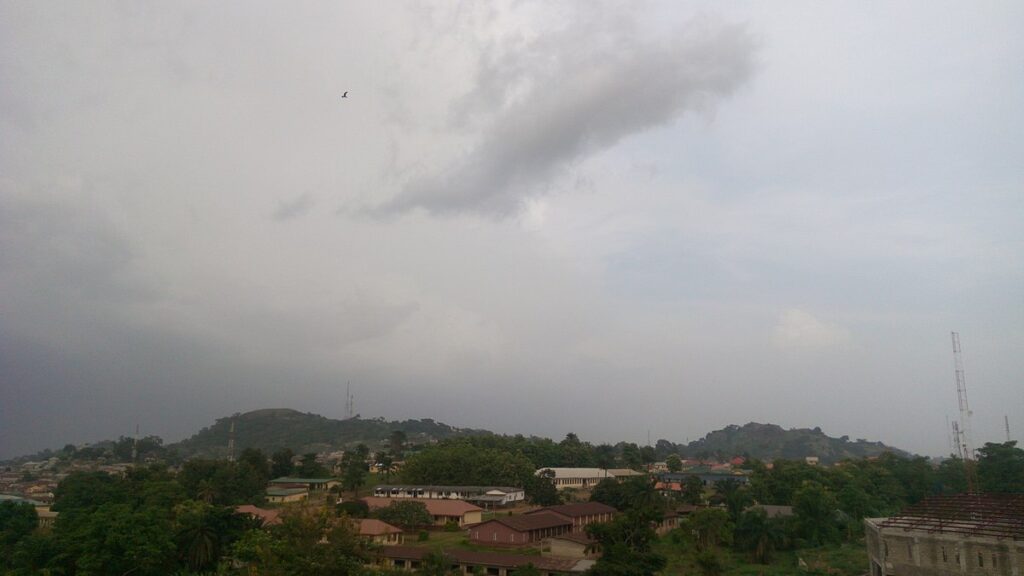





City Description
Ado Ekiti, the capital of Ekiti State in southwestern Nigeria, is a vibrant city known for its rich cultural heritage, academic institutions, and beautiful landscapes. With a population of approximately 300,000 residents, Ado Ekiti serves as the administrative and commercial center of the state. The city covers an area of about 1,500 square kilometers and is situated in the hilly terrain of the Yoruba heartland, offering a picturesque setting with lush greenery and scenic views.
Historically, Ado Ekiti has deep roots in the traditions of the Ekiti people, one of the prominent ethnic groups in Nigeria. The city has been inhabited for centuries, and its name “Ado” translates to “the place of the stone.” Ado Ekiti has a rich history marked by the establishment of local kingdoms and chiefdoms, and it played a significant role in the socio-political landscape of the Yoruba people. The city is known for its traditional festivals, such as the annual Ekiti Parapo Festival, which celebrates the unity and culture of the Ekiti people, featuring music, dance, and local cuisine.
Geographically, Ado Ekiti is located at an altitude of about 300 meters above sea level, giving it a moderate climate compared to other regions in Nigeria. The city experiences a tropical savanna climate, characterized by distinct wet and dry seasons. The rainy season typically runs from April to October, with average annual rainfall exceeding 1,500 millimeters. Temperatures in Ado Ekiti generally range from 18°C to 30°C, providing a pleasant environment for agriculture and outdoor activities. The hilly landscape surrounding the city contributes to its natural beauty and offers opportunities for hiking and exploration.
Culturally, Ado Ekiti is rich in traditions and local customs. The city is known for its vibrant arts scene, particularly in crafts such as weaving and pottery. The local cuisine is a highlight, with dishes like pounded yam, egusi soup (made from melon seeds), and various vegetable stews being staples in the diet of residents. Ado Ekiti is also home to several traditional rulers, known as the “Oloye,” who play important roles in maintaining cultural values and community cohesion. The city’s markets, such as the Oja Oba market, are bustling centers of activity where residents buy fresh produce, textiles, and household items.
Human resources in Ado Ekiti are bolstered by a strong emphasis on education. The city is home to several institutions of higher learning, including Ekiti State University and the Federal Polytechnic, Ado Ekiti. These institutions attract students from various parts of the country and contribute to a relatively high literacy rate in the region. The focus on education has helped to develop a skilled workforce, with many graduates pursuing careers in education, health, and public service.
Economically, Ado Ekiti has a diverse economy that combines agriculture, trade, and services. The fertile land surrounding the city supports the cultivation of various crops, including cassava, maize, and yams, making agriculture a vital part of the local economy. The city also has a growing market for goods and services, with small and medium-sized enterprises operating in sectors such as retail, food production, and hospitality. The local government has been working on infrastructure improvements and development projects to boost economic growth and attract investment in the region.
Ado Ekiti is a city that beautifully blends its rich cultural heritage with the dynamics of modern life. From its historical roots and vibrant festivals to its beautiful landscapes and local cuisine, Ado Ekiti offers a unique experience that captures the essence of Nigerian culture. Whether exploring its traditional markets, enjoying local dishes, or participating in community events, Ado Ekiti invites everyone to discover its charm and warmth, making it an intriguing destination in southwestern Nigeria.
Leave a Reply