

| Country | Paraguay |
| Population | 301815 |
| Area | 104 km2 (40 sq mi) |
| Time Zone | UTC-04 (PYT) |
| Coordinates | -25.516666666666666, -54.61666666666667 |
| Highest elevation | None |
City Gallery




City Description
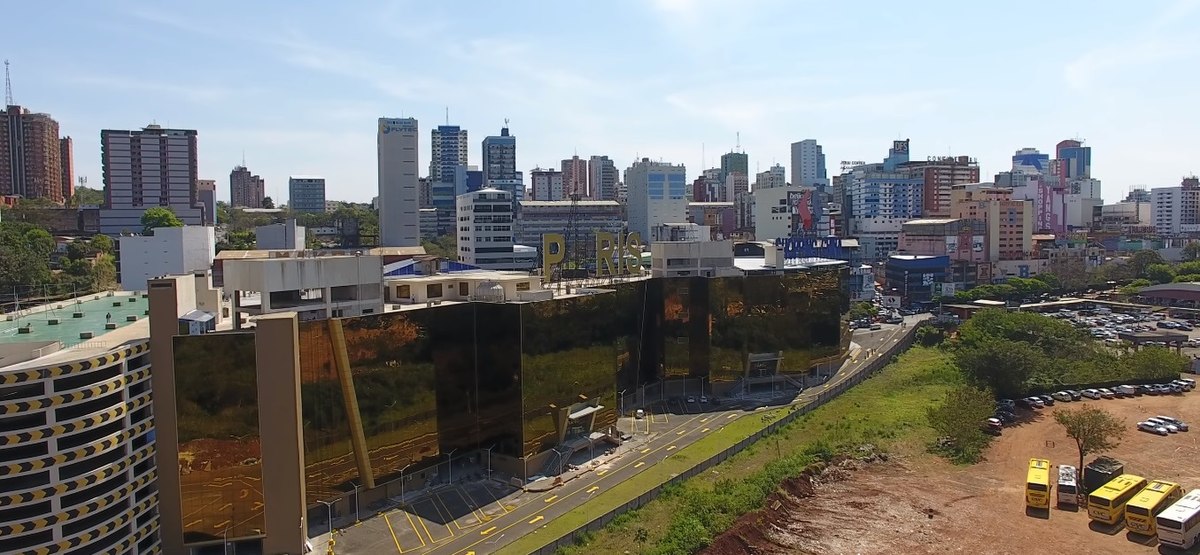
Ciudad del Este, the lively border city in eastern Paraguay, is known for its energetic atmosphere, bustling markets, and role as one of South America’s largest shopping destinations. Located right on the border with Brazil and Argentina, Ciudad del Este is a part of the “Triple Frontier,” making it an international crossroads of commerce and culture. With a population of around 300,000, and nearly a million in the metropolitan area, the city is the second-largest in Paraguay and a major economic engine, especially for trade and tourism.
Ciudad del Este was founded relatively recently, in 1957, under the name Puerto Presidente Stroessner, named after Paraguay’s then-dictator. Following Stroessner’s ousting in 1989, the city was renamed Ciudad del Este. Its strategic position on the Paraná River quickly transformed it into a center for trade, connecting Paraguay to both Brazil and Argentina. In the 1970s and 1980s, the city expanded rapidly with the construction of the Itaipú Dam, which brought an influx of workers and boosted the local economy. Today, Ciudad del Este’s economy is diverse and heavily reliant on retail, trade, and the services sector.
Geographically, Ciudad del Este sits in a lush, subtropical region on the banks of the Paraná River, right across from Foz do Iguaçu in Brazil. The city’s climate is hot and humid, with summer temperatures reaching up to 35°C (95°F) and mild winters averaging around 15°C (59°F). The rainy season runs from October through April, bringing heavy, quick rains that nourish the region’s greenery. Covering about 100 square kilometers, Ciudad del Este is surrounded by natural beauty, with the Iguazú Falls only a short drive away, as well as Itaipú Lake and the forests of the Itaipú Nature Reserve, which are popular spots for locals and tourists alike.
Culturally, Ciudad del Este is a vibrant melting pot. Thanks to its position on the Triple Frontier, it attracts people from various backgrounds, especially Brazilians, Argentinians, Lebanese, Chinese, and Koreans, giving it a multicultural flair. This diversity is most visible in the city’s bustling markets and restaurants, where you’ll find a mix of cuisines, languages, and traditions. The city’s Mercado de Abasto and the downtown area are packed with vendors selling everything from electronics and imported goods to fresh produce and local foods, making it one of the most visited areas in the city. Street food is a big part of life here, with dishes like chipa (a Paraguayan cheese bread), empanadas, and various grilled meats bringing locals and tourists together in busy plazas and street corners.
The people of Ciudad del Este are known for their entrepreneurial spirit. This is a city where commerce is king, and it’s common to see family-owned shops, small businesses, and bustling street stalls everywhere you go. Many residents work in retail or service jobs related to the city’s booming trade industry, and it’s estimated that thousands of tourists from neighboring countries cross into Ciudad del Este every day to shop, lured by low prices and tax-free deals. The city’s shopping district is extensive, with over 3,500 stores and an annual revenue estimated at billions of dollars. Some of the most popular shopping centers include Shopping del Este and Monalisa, both offering a mix of luxury brands, electronics, and clothing.
Economically, Ciudad del Este is a significant contributor to Paraguay’s GDP. Its location has made it a hotspot for duty-free shopping, which draws millions of shoppers annually and injects around $1 billion into the economy every year. The Itaipú Dam, one of the largest hydroelectric dams in the world, is another major economic contributor to the region. Built in the 1970s, it supplies Paraguay with nearly all of its electricity needs and exports a substantial amount to Brazil, helping to fund public infrastructure and services across the country. Many residents of Ciudad del Este work in roles related to the dam, from engineering and technical work to administrative positions. In addition to retail and energy, Ciudad del Este has a growing services sector, including logistics, financial services, and hospitality, as the city becomes more popular with tourists from across South America.
Education in Ciudad del Este has improved in recent years, with a number of public and private schools now providing quality education to the city’s youth. The National University of the East (UNE) is one of the city’s most prominent institutions, offering programs in engineering, medicine, business, and law. It attracts students from across Paraguay and nearby regions in Brazil, providing a critical foundation for the local workforce. Although resources in public education can be limited, local initiatives and private organizations are working to improve access to learning materials and digital literacy.
Infrastructure in Ciudad del Este reflects its status as a major trade hub. The city’s roads and highways are designed to handle the constant flow of goods and visitors, though traffic can be intense, especially near the Puente de la Amistad, or Friendship Bridge, which connects Ciudad del Este to Foz do Iguaçu. This bridge alone sees over 30,000 crossings a day, underscoring the city’s importance as a gateway for commerce. Public transportation includes buses and taxis, though many residents rely on personal vehicles or motorcycles to get around. The Guaraní International Airport, located about 30 kilometers from the city center, facilitates air travel for tourists and business travelers, offering flights to other Paraguayan cities as well as a few international destinations. However, the airport’s role is secondary compared to the city’s land-based trade routes.
Ciudad del Este’s green spaces and natural landmarks add a contrasting element to its urban hustle. The nearby Itaipú Lake and surrounding nature reserves are popular weekend getaways, providing outdoor activities like hiking, fishing, and birdwatching. Within the city, parks like Lago de la República offer locals a place to relax, exercise, or enjoy a picnic. This park, in particular, is a popular spot with jogging paths, playgrounds, and open areas for families to enjoy. Additionally, environmental education programs around Itaipú have brought awareness to the importance of protecting the Paraná River and the lush ecosystems around the dam.
Shopping and tourism in Ciudad del Este create a lively, bustling environment. The city’s shopping districts are known for their vibrant, somewhat chaotic energy, with a mix of luxurious malls and crowded street markets selling everything imaginable. Electronics are especially popular, as shoppers from Brazil and Argentina flock to Ciudad del Este for affordable prices and a broad selection. The city’s tourism scene has also grown, partly due to its proximity to Iguazú Falls, one of the natural wonders of the world. Many visitors choose to stay in Ciudad del Este while exploring nearby attractions, enjoying the affordable hotels, local restaurants, and nightlife options available.
In terms of quality of life, Ciudad del Este is a city of contrasts. While it offers job opportunities and access to goods from all over the world, some areas face challenges with infrastructure and public services, particularly in lower-income neighborhoods. Safety can be a concern, especially around the busy shopping districts where pickpocketing and smuggling are issues, but the local government has increased police presence and surveillance to improve conditions for both residents and tourists. The cost of living in Ciudad del Este is generally lower than in other parts of South America, making it an attractive place for both locals and expatriates seeking affordable housing and goods.
Despite its challenges, Ciudad del Este continues to grow and adapt, with new investments in urban development and community projects aiming to improve quality of life. Local authorities are working on initiatives to modernize the city, including projects to improve public spaces, roads, and internet connectivity. Efforts to expand the city’s tourism industry beyond shopping are underway, with a focus on highlighting cultural heritage and nearby natural attractions to draw visitors looking for more than just retail experiences.
Ciudad del Este is a city of resilience and opportunity, where diverse cultures converge and commerce thrives. From the lively markets and the modern shopping malls to the natural beauty of nearby forests and rivers, the city offers an experience like no other in Paraguay. Whether you’re exploring the vibrant downtown, enjoying a meal at a local café, or crossing the Friendship Bridge into Brazil, Ciudad del Este captures the energy and spirit of a place that’s always on the move. It’s a city where commerce, culture, and community blend seamlessly, creating a unique destination in the heart of South America’s Triple Frontier.
Leave a Reply