

| Country | Sudan |
| Area | None |
| Time Zone | None |
| Coordinates | 15.45, 36.4 |
| Highest elevation | None |
City Gallery




City Description
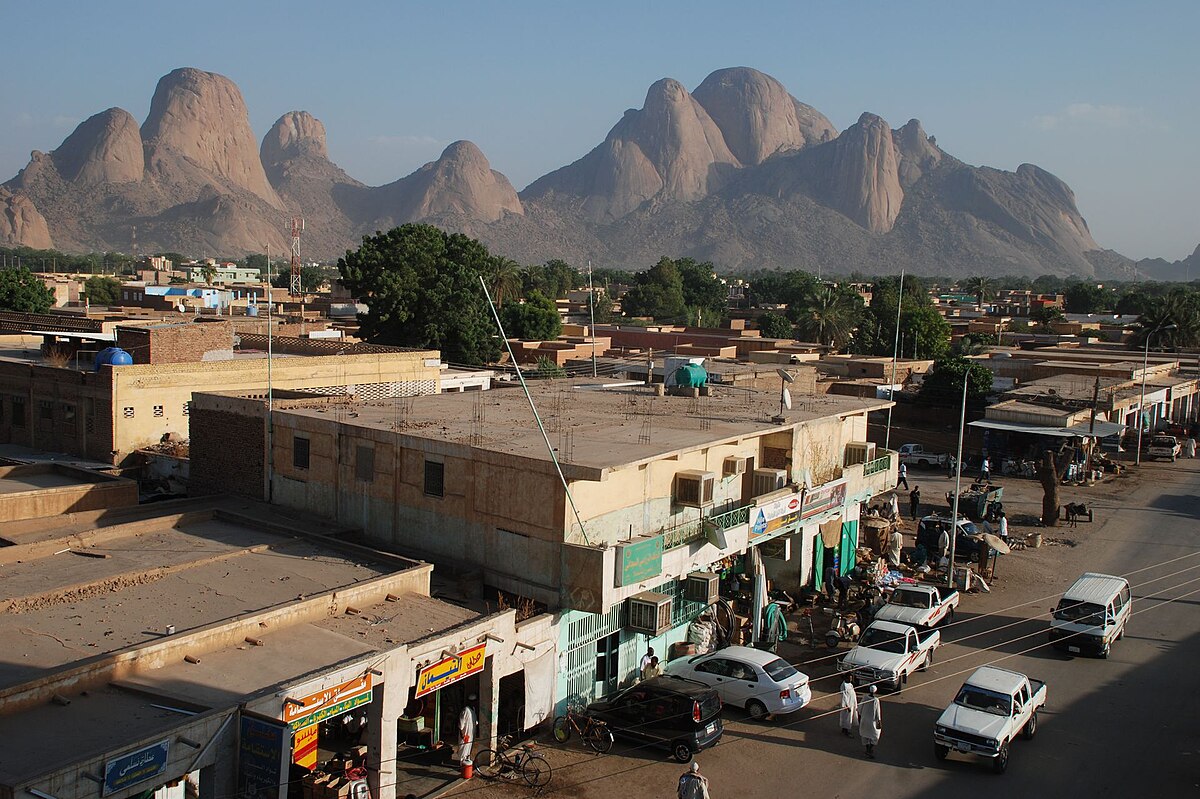
Kassala, a vibrant city in eastern Sudan, is known for its stunning landscapes, rich cultural heritage, and bustling market life. Situated at the foothills of the striking Taka Mountains and close to the border with Eritrea, Kassala is the capital of the Kassala State. The city has a population of around 400,000 residents and covers an area of approximately 50 square kilometers, making it one of the most significant urban centers in the region.
Historically, Kassala has been a key crossroads for trade and cultural exchange, dating back to ancient times. The city’s strategic location has made it a hub for various civilizations, including the Romans and the Ottoman Empire. The name “Kassala” is believed to be derived from the Arabic word for “to rest,” reflecting its role as a stopping point for caravans traveling between the Sudanese interior and the Red Sea coast. The city gained prominence during the Mahdist Revolution in the late 19th century and became an important administrative center under British rule in the early 20th century. Today, the rich history of Kassala can be seen in its architecture, markets, and diverse population.
Geographically, Kassala is blessed with a unique setting. The Taka Mountains rise dramatically to the south, providing a stunning backdrop and creating a microclimate that is generally cooler and more temperate than much of Sudan. The city sits at an elevation of about 550 meters above sea level, which contributes to its relatively mild climate, with summer temperatures averaging around 35°C and cooler winters where temperatures can drop to about 10°C. The nearby Kassala River and the surrounding fertile land make agriculture a vital part of the local economy, with crops such as sorghum, millet, and vegetables being cultivated in the region.
Culturally, Kassala is a melting pot of ethnicities and traditions, with a diverse population that includes various Sudanese tribes, Eritreans, and others. This cultural diversity is reflected in the city’s lively festivals, music, and art. Traditional Sudanese music is an essential part of life in Kassala, and local dances often accompany celebrations and events. The Kassala Cultural Center hosts performances and art exhibitions that showcase local talent. The city is also famous for its bustling markets, especially the Souk Kassala, where traders sell everything from spices and textiles to handmade crafts and jewelry, providing a sensory experience that captures the essence of local life.
Human resources in Kassala are shaped by the city’s educational institutions, including several primary and secondary schools, along with a campus of the University of Kassala. This university offers various programs in arts, sciences, and engineering, contributing to a growing workforce. The literacy rate in Kassala is improving, with a focus on education and vocational training that aims to equip young people with the skills needed for employment. Many residents are engaged in agriculture and trade, while the city is also seeing a rise in small-scale industries and services.
The economy of Kassala is primarily based on agriculture, trade, and small-scale manufacturing. The fertile land around the city supports various crops, which are crucial for local food security and economic stability. Kassala is also a trade hub, with its markets serving as a vital connection point for goods traveling between Sudan and Eritrea. Livestock trading is another significant economic activity, with camels, goats, and sheep commonly bought and sold. In recent years, there have been efforts to boost tourism in the area, highlighting Kassala’s natural beauty, historical sites, and the Taka Mountains as attractive destinations for visitors seeking to explore Sudan’s diverse landscapes.
Kassala is a city that embodies the spirit of Sudan, where rich history and cultural diversity come together in a vibrant urban setting. From the stunning views of the Taka Mountains to the lively atmosphere of its markets and festivals, Kassala invites exploration and discovery. Whether wandering through its streets, enjoying local cuisine, or learning about its historical significance, Kassala offers a unique glimpse into the heart of Sudan and the resilience of its people.
Leave a Reply