


| Country | Spain |
| Population | 295639 |
| Area | 197.47 km2 (76.24 sq mi) |
| Time Zone | UTC+1 (CET) |
| Coordinates | 41.65277777777778, -4.723611111111111 |
| Highest elevation | 698 m (2,290 ft) |
City Gallery




City Description
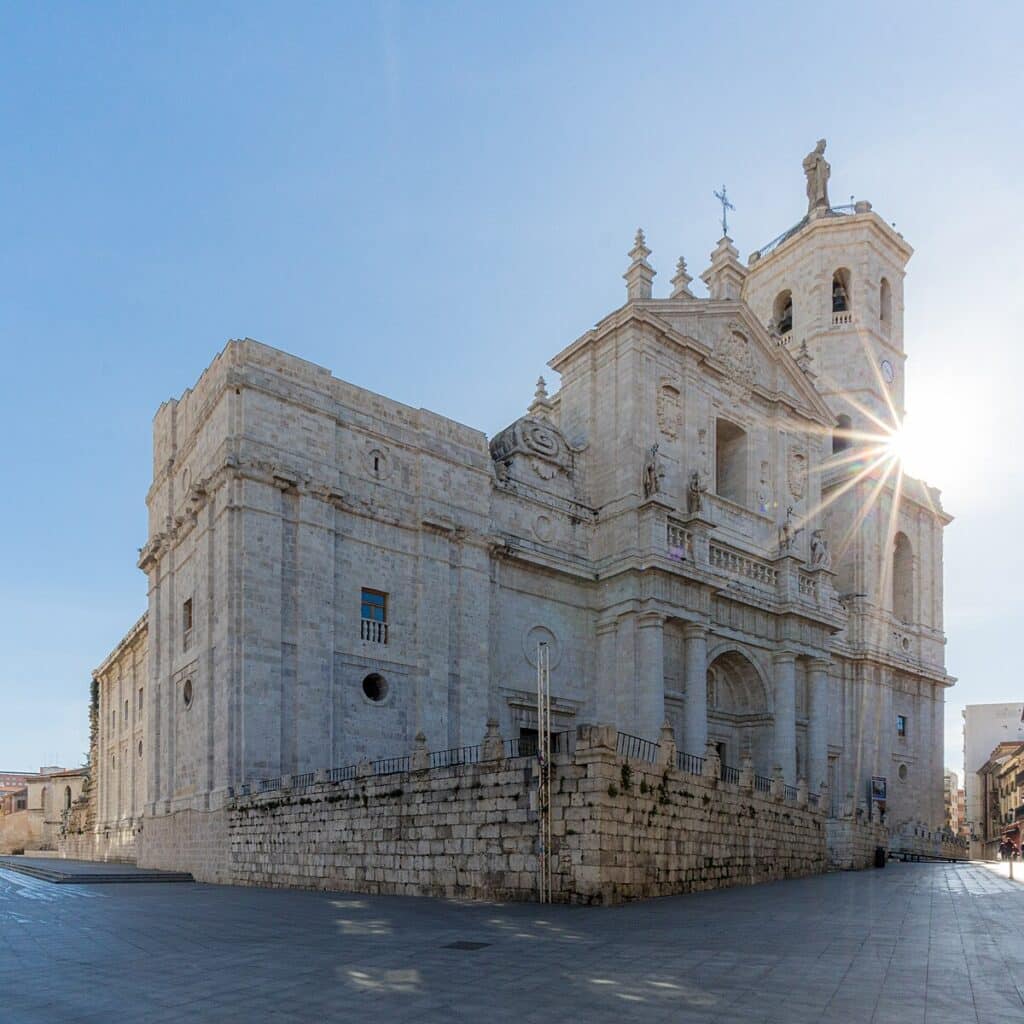
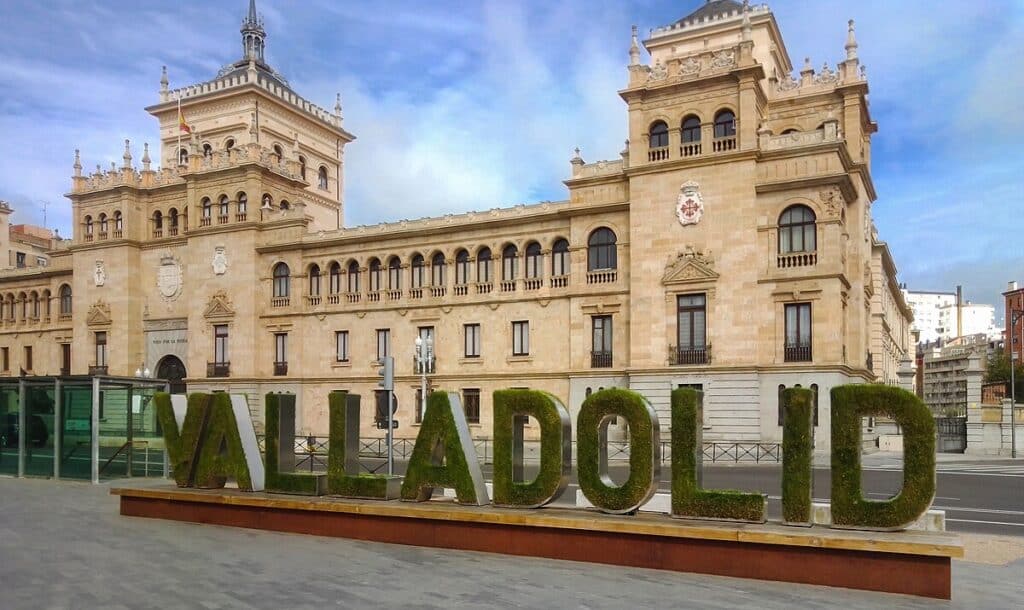
Valladolid, a historic city in the heart of Spain, combines a rich heritage with modern vibrancy, making it one of the gems of the Castile and León region. Located just 200 kilometers northwest of Madrid, Valladolid covers an area of about 197 square kilometers and is home to around 300,000 residents, making it the region’s largest city. Known for its Renaissance architecture, cultural festivals, and wine production, Valladolid is a perfect blend of old-world charm and contemporary Spanish life.
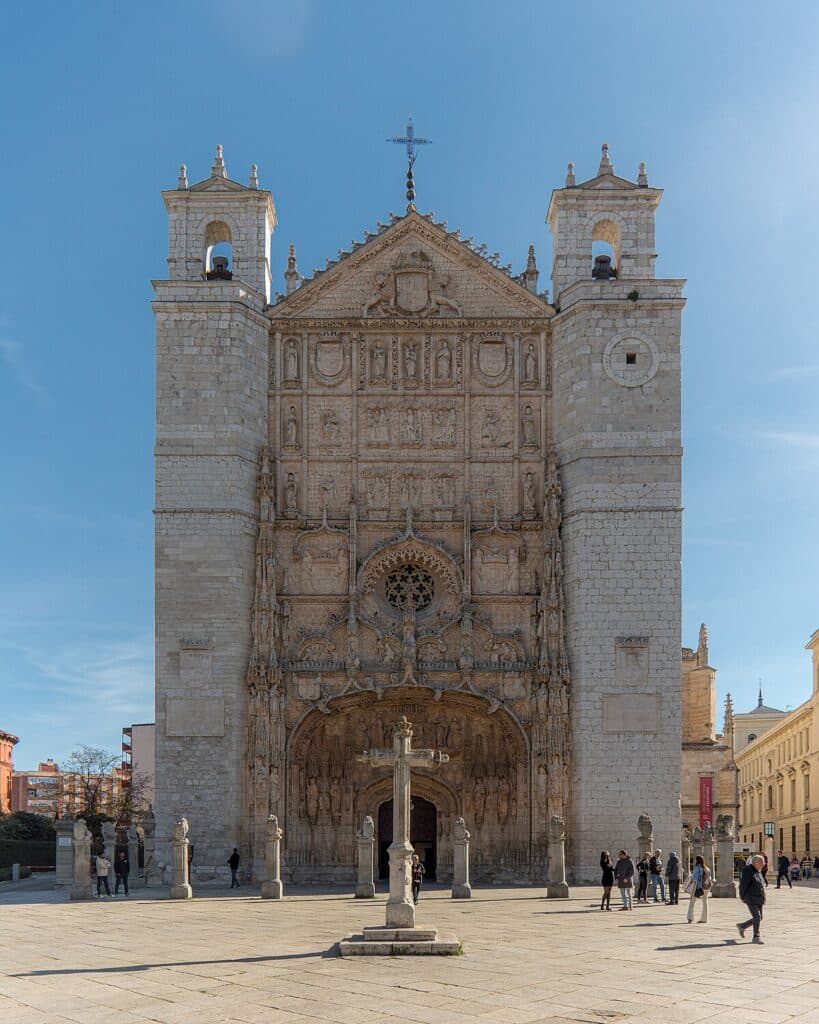
The history of Valladolid dates back to the 11th century, though it truly flourished during the Renaissance when it became a royal residence and even the temporary capital of Spain. King Philip II was born here, and the city hosted royal figures including Christopher Columbus, who spent his final days in Valladolid. Monuments like the San Pablo Church and the magnificent Plaza Mayor—the first of its kind in Spain—stand as testaments to Valladolid’s historic significance. The National Sculpture Museum, housed in the San Gregorio College, preserves this legacy, featuring some of Spain’s most treasured Renaissance sculptures.
Geographically, Valladolid lies on the banks of the Pisuerga River, which flows through the city, offering scenic spots along its length and adding to the city’s charm. The surrounding area, part of the larger Meseta Central plateau, has a Mediterranean climate, characterized by hot, dry summers reaching up to 30°C and cool winters, often dipping below 5°C. This dry climate and high altitude create ideal conditions for winemaking, and Valladolid is at the heart of some of Spain’s best wine-producing regions, including Ribera del Duero, Rueda, and Toro.
Valladolid’s culture is deeply rooted in tradition and arts, with a strong emphasis on festivals and religious celebrations. The Semana Santa (Holy Week) in Valladolid is one of Spain’s most revered, attracting visitors who come to witness the intricate processions and religious sculptures displayed through the city. The Valladolid International Film Festival, known as Seminci, is another major event, drawing filmmakers and cinema lovers from around the world every October. Local cuisine is also a highlight, with Valladolid famed for its lechazo (roast suckling lamb) and pinchos (small bites served in bars), which make for a perfect evening of tapas-hopping in the city’s historic center.
Human resources in Valladolid benefit from a strong educational foundation, with institutions like the University of Valladolid, one of Spain’s oldest universities, established in the 13th century. The university attracts students from all over Spain and abroad, contributing to a lively student community and a well-educated workforce. The population is skilled in various sectors, from engineering and technology to arts and humanities, supporting the city’s development in both traditional industries and modern services. Spanish is widely spoken, though the influence of international students and tourism has led to an increase in English usage, especially among younger residents.
The economy of Valladolid is diverse, with a strong base in the automotive industry, manufacturing, agriculture, and tourism. The Renault plant in Valladolid is one of the city’s largest employers, producing vehicles and auto parts that are exported across Europe. Agriculture also plays an essential role, with the region’s fertile lands producing grains, olives, and, notably, some of Spain’s finest wines. The proximity to major wine regions boosts enotourism, drawing visitors for vineyard tours, tastings, and wine festivals. In recent years, the local government has promoted Valladolid as a cultural destination, attracting tourists interested in its historic sites, festivals, and gastronomy.
Valladolid is a city where history, culture, and innovation come together, offering an authentic experience of Castilian Spain. From the Renaissance grandeur of its architecture and the richness of its festivals to the rolling vineyards that surround it, Valladolid is a place that captures the essence of Spain’s past and present. Whether strolling through the Plaza Mayor, savoring local wines, or exploring centuries-old churches, Valladolid offers a captivating journey through the heart of Spanish heritage and contemporary life.
Leave a Reply