


| Country | Iran |
| Population | 309820 |
| Area | 90 km2 (30 sq mi) |
| Time Zone | UTC+3:30 (IRST) |
| Coordinates | 36.56055555555555, 53.05833333333333 |
| Highest elevation | 5 northwest up to 50 in southeast m (15 – 150 ft) |
City Gallery


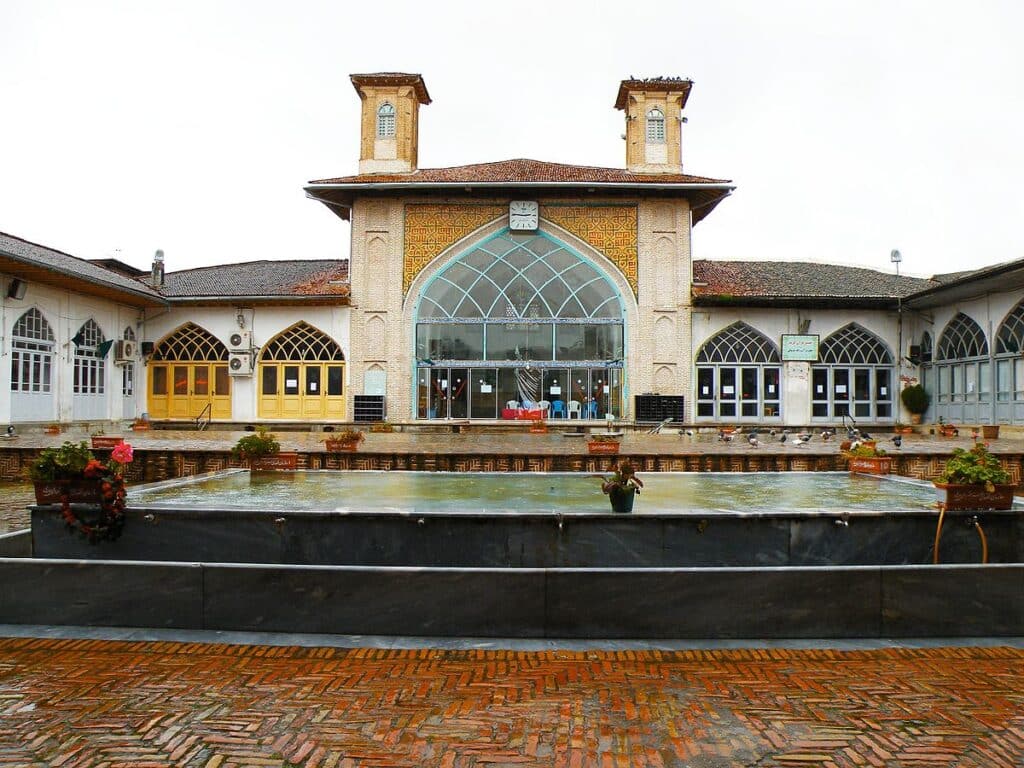



City Description
Sari, the vibrant capital of Mazandaran Province in northern Iran, is a city known for its lush landscapes, rich history, and unique cultural blend. Nestled between the Alborz Mountains and the Caspian Sea, Sari covers an area of approximately 50 square kilometers and has a population of around 300,000 people. Known for its mild climate, agricultural bounty, and scenic surroundings, Sari is a gateway to both Iran’s rugged mountains and its serene Caspian coastline.
The history of Sari dates back to ancient times, with records suggesting it may have been inhabited as far back as the Sassanian period over 1,500 years ago. The city is said to have been a thriving center for trade and culture even in the days of the Parthian Empire, largely due to its strategic location on the Silk Road. During the Islamic Golden Age, Sari grew in prominence, serving as a key administrative center for Mazandaran. Today, historical sites such as the Imamzadeh Yahya, a 13th-century shrine with intricate tilework, and the Hutu Cave, which dates back to prehistoric times, connect visitors with Sari’s long and storied past.
Geographically, Sari is blessed with a unique combination of mountains, forests, and proximity to the Caspian Sea. This location gives it a humid subtropical climate, with cool winters averaging around 6°C and warm, humid summers reaching up to 30°C. The city’s rich natural environment includes dense forests, rice paddies, and orange groves, which fill the landscape with greenery and vibrant colors year-round. Sari is also known for its fresh water springs, and the proximity of the Alborz Mountains provides scenic backdrops for hikers and nature lovers. A short drive from Sari, the Badab-e Surt springs, famous for their naturally terraced formations, are a popular attraction, drawing both locals and visitors from across Iran.
Culturally, Sari is home to a diverse mix of Mazandarani and Persian traditions, reflected in its festivals, music, and cuisine. The people of Sari speak both Persian and Mazandarani, a language unique to the Caspian region, which adds a distinct linguistic flavor to the city. Festivals like Nowruz (Persian New Year) are celebrated with great enthusiasm, with locals dressing in traditional attire, preparing feasts, and decorating their homes with Haft-Seen tables to welcome spring. Mazandarani music, known for its rhythmic beats and soulful melodies, often accompanies local celebrations and gatherings. Sari’s cuisine is another highlight, featuring dishes like morgh-e torsh (sour chicken stew) and baghala ghatogh (a fava bean and dill stew), as well as seafood from the Caspian. Street vendors and local markets offer an array of fresh produce, nuts, and regional sweets, showcasing the flavors of northern Iran.
Human resources in Sari are known for their dedication to agriculture, trade, and the growing tourism industry. The fertile land and favorable climate have made Sari a hub for producing rice, citrus fruits, tea, and dairy products. The city’s workforce is well-educated, with many young people attending local universities such as Mazandaran University of Medical Sciences, which attracts students from across Iran. The growth of tourism has brought more focus to language skills, with younger generations increasingly learning English and Arabic to better cater to international visitors.
Economically, Sari’s foundation is built on agriculture, with rice farming being one of the primary sources of income for local farmers. The area’s orange orchards, kiwi farms, and tea plantations also contribute significantly to the economy, with products often exported across Iran. Fishing is another vital industry, with the Caspian Sea providing fish and caviar that are highly valued in Iranian cuisine. In recent years, tourism has seen steady growth, thanks to Sari’s beautiful landscapes, cultural sites, and proximity to both sea and mountains. The city government has been actively promoting eco-tourism, drawing nature enthusiasts to the surrounding forests and wetlands, as well as adventure tourists interested in the nearby mountains and lakes.
Sari is a city where natural beauty, history, and a strong cultural identity blend seamlessly. From its ancient shrines and lush forests to its bustling markets and rice paddies, Sari offers visitors an authentic experience of life in northern Iran. Whether exploring the winding forest trails, savoring traditional dishes, or simply enjoying the tranquility of the Caspian Sea, Sari is a city that captures the charm and spirit of Mazandaran, making it a hidden gem in Iran’s diverse landscape.
Leave a Reply