


| Country | Spain |
| Population | 293642 |
| Area | 109.1 km2 (42.1 sq mi) |
| Time Zone | UTC+1 (CET) |
| Coordinates | 42.231356, -8.712447 |
| Highest elevation | 0 m (0 ft) |
City Gallery




City Description
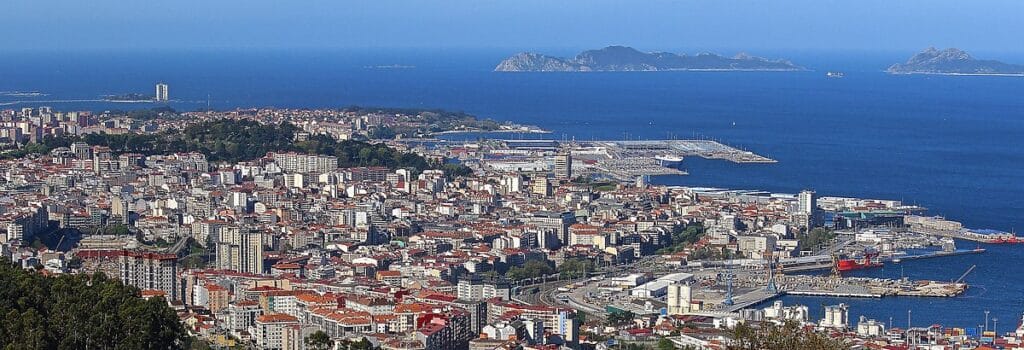
Vigo, a bustling port city in the northwest of Spain, stands proudly on the Atlantic coast in the region of Galicia. Known for its rich maritime history, dynamic fishing industry, and vibrant cultural scene, Vigo has carved out a unique identity. It’s one of Spain’s largest fishing ports and the biggest in Europe, with the city’s economy significantly bolstered by its maritime activities. The population here hovers around 295,000, spread across 109 square kilometers, making it Galicia’s largest city and a vital economic hub for the region.
The history of Vigo stretches back thousands of years, with archaeological evidence indicating early settlements in the area from around the 3rd century BCE. Through the ages, Vigo has been occupied by the Romans, Celts, and even attacked by English privateers. The city’s most notable historical moment was in 1702 when it witnessed the Battle of Vigo Bay, where Anglo-Dutch forces clashed with the Spanish in an attempt to intercept the treasure-laden galleons. Many remnants of the past can still be found in Vigo, including the old walls and fortresses that dot the city, such as the Castro Fortress, which offers panoramic views over the bay and serves as a historical reminder of Vigo’s strategic importance.
Geographically, Vigo is perched along the Ría de Vigo, one of the estuarine inlets that shape Galicia’s stunning coastline. The ría gives the city a dramatic landscape, with rugged mountains rising behind the urban sprawl and a series of beaches stretching along its coastline. Vigo’s maritime climate keeps winters mild, around 10-12°C, and summers are warm but moderated by Atlantic breezes, averaging 24°C. The city experiences substantial rainfall, around 1,800 mm annually, especially in the winter months, nourishing its lush green surroundings and allowing a variety of flora to thrive.
Culturally, Vigo offers a unique blend of traditional Galician customs with a cosmopolitan vibe. The city celebrates its roots with festivals like A Reconquista in March, which reenacts the 1809 expulsion of French troops, transforming the historic streets of Casco Vello into an animated, costumed spectacle. Additionally, seafood lovers flock to Vigo’s O Marisquiño Festival in August, where the city’s passion for shellfish and seafood reaches new heights, offering a spread that includes mussels, octopus, and Galicia’s famed percebes (goose barnacles). Beyond food, music holds a special place in Vigo, with its annual international jazz, blues, and indie music festivals drawing crowds.
Human resources in Vigo reflect a skilled and hardworking populace, with a literacy rate surpassing 98%. Vigo is home to several universities and research institutions, notably the University of Vigo, which contributes to the city’s reputation as a center for marine and environmental studies. English is widely understood in Vigo, especially among younger residents and professionals working in international sectors. The city’s workforce is a mix of skilled labor in sectors like shipbuilding, manufacturing, and technology, alongside a thriving tourism sector that sees visitors from across Europe.
Economically, Vigo is an industrial powerhouse in Galicia, with a large portion of its GDP linked to its port activities. The city’s fishing industry ranks as one of Europe’s largest, exporting seafood worldwide. It’s also home to the Citroën car manufacturing plant, employing thousands and further diversifying the economy. Tourism plays a growing role, with attractions such as the Cíes Islands, known for their turquoise waters and pristine beaches, earning a spot on the list of Europe’s natural wonders. Vigo’s vibrant arts scene, historic sites, and coastal charm continue to attract more tourists each year, with visitor numbers increasing by around 5-7% annually.
Vigo is a city that thrives on the sea and innovation, balancing its ancient roots with a drive toward the future. Its natural beauty, cultural vibrancy, and economic prowess make it a place where tradition meets modernity, creating a city full of life and unique character on Spain’s Atlantic coast.
Leave a Reply