


| Country | Brazil |
| Population | 300618 |
| Area | 2,110.207 km2 (814.755 sq mi) |
| Time Zone | UTC−3 (BRT) |
| Coordinates | -5.187777777777778, -37.34388888888889 |
| Highest elevation | 20 m (66 ft) |
City Gallery


City Description
Mossoró, a vibrant city in northeastern Brazil, is known for its rich history, bustling festivals, and key role in the country’s oil and salt industries. With a population of over 300,000, Mossoró is the second-largest city in the state of Rio Grande do Norte and serves as an important economic and cultural hub in the region. Located near the border with Ceará and close to the Atlantic coast, Mossoró offers a unique blend of rural charm, industrial might, and festive spirit that captures the heart of northeastern Brazil.
Mossoró’s history is a testament to resilience and independence. Founded in 1852, the city quickly grew as a center for agriculture, especially cotton, but it’s perhaps best known for a few historic moments that continue to shape its identity. One of Mossoró’s proudest legacies is its resistance against the famous bandit Lampião and his gang in 1927. When the notorious outlaw threatened the city, the residents banded together and repelled his forces, an act of defiance celebrated each year in the Mossoró Cidade Junina, one of the biggest June festivals in Brazil. The city also holds a prominent place in Brazilian history for being the first in the state to abolish slavery in 1883, five years before the rest of the country, making Mossoró a symbol of freedom and progress in the region.
Geographically, Mossoró sits in the semiarid region of Brazil’s Northeast, part of the vast Sertão. The city’s climate is characterized by hot temperatures, with averages around 27°C (81°F) year-round, though summers can easily reach above 35°C (95°F). Rainfall is scarce, with the rainy season typically occurring between February and April. Despite the challenging climate, Mossoró’s location near the coast helps moderate temperatures slightly, and the surrounding landscape is dotted with farms, salt flats, and oil fields, creating a unique scenery that reflects both the beauty and ruggedness of the Sertão.
Culturally, Mossoró is a center of northeastern traditions, music, and dance. The Mossoró Cidade Junina, held every June, is one of the city’s biggest events and attracts thousands of visitors for a month of celebrations. This festival honors São João, a beloved saint in the region, and includes parades, quadrilha dances, and reenactments of the city’s historic moments, including the resistance against Lampião. The Bodega do Sertão, a popular event space, showcases local handicrafts, foods, and traditional music, where people gather to experience the true spirit of the Northeast. Forro music, a popular genre in the region, fills the streets during festivals, with accordion, zabumba, and triangle rhythms bringing people together to dance and celebrate. Mossoró’s cuisine is a blend of regional flavors, with dishes like carne de sol (sun-dried beef), macaxeira (cassava), and arroz de leite (rice cooked with milk) as local favorites.
The people of Mossoró are known for their warmth, friendliness, and strong work ethic. Human resources in Mossoró are skilled across a range of sectors, particularly in agriculture, oil extraction, and salt production, which are mainstays of the local economy. Mossoró is home to the largest salt flats in Brazil, which produce about 95% of the country’s salt, supporting thousands of jobs in the industry. The city is also a key player in the Brazilian oil industry, with several oil fields nearby that contribute significantly to the local and national economy. The Federal Rural University of the Semi-Arid Region (UFERSA) provides education and research opportunities that help support these industries, producing skilled graduates in engineering, agriculture, and environmental sciences who are crucial to the city’s workforce. Healthcare and public services also employ a large number of residents, with the city’s public health infrastructure serving as a regional center for nearby towns.
Economically, Mossoró is dynamic, driven by salt production, oil extraction, and agriculture. The salt industry is a cornerstone of Mossoró’s economy, with the region’s salt flats producing nearly all of Brazil’s salt, much of which is exported. The nearby oil fields, managed by companies like Petrobras, are another major contributor, bringing in revenue and providing jobs in drilling, refining, and transportation. Agriculture, particularly the cultivation of melons, is also significant, as Mossoró’s melon farms supply both domestic markets and export destinations like Europe and the United States. Recently, the city has seen growth in the tourism sector, with visitors drawn by the annual Mossoró Cidade Junina festival, historic landmarks, and nearby beaches. The local economy’s strength lies in its diversity, which has helped Mossoró maintain steady growth despite fluctuations in global markets.
Infrastructure in Mossoró is well-developed, supporting both residents and industries. The city is connected by major highways that link it to Fortaleza and Natal, making transportation of goods and travel convenient. The Dix-Sept Rosado Airport offers flights to regional destinations, while a network of buses and taxis facilitates movement within the city. Water infrastructure is essential here due to the arid climate, and the government has invested in water management projects to ensure a stable supply. Healthcare facilities in Mossoró include hospitals, clinics, and specialized medical centers that provide services to both residents and people from surrounding areas, making the city a health hub in the region. Education is another priority, with institutions like UFERSA and several vocational schools offering training in areas that support the local economy, particularly agriculture, engineering, and environmental science.
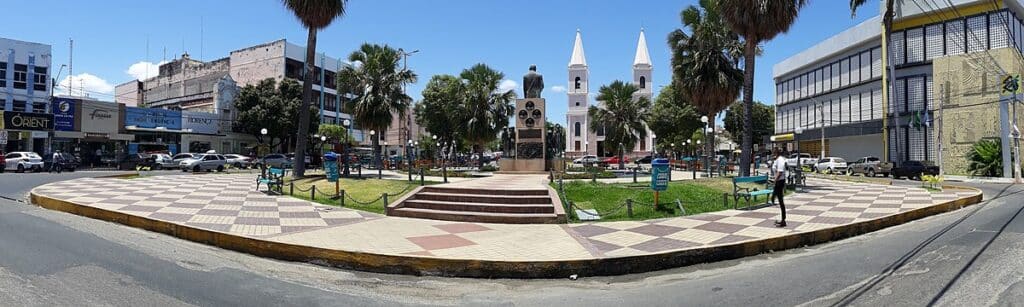
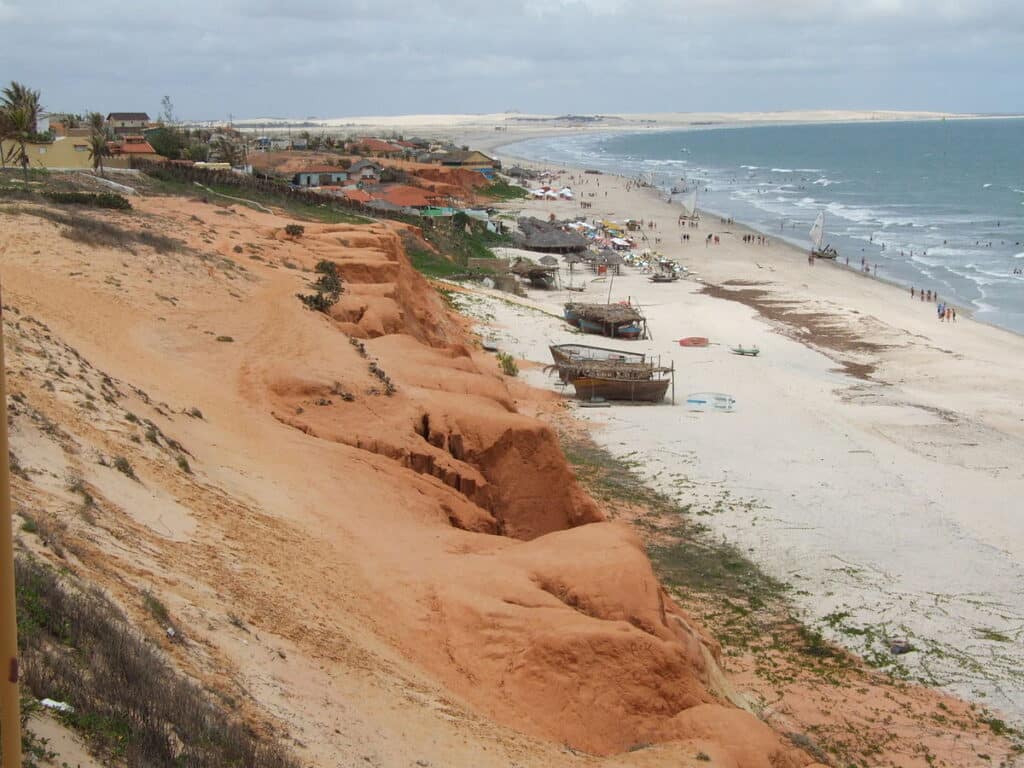
Recreation in Mossoró is a lively mix of cultural events, outdoor activities, and social gatherings. The city’s main square, Praça Vigário Antônio Joaquim, is a popular spot for locals and visitors to relax, with cafes, shops, and green spaces. The Municipal Theater Dix-Huit Rosado hosts performances, concerts, and plays, supporting a vibrant arts community. For those who enjoy nature, nearby beaches like Tibau offer sandy shores and calm waters, making them perfect for a weekend getaway. During the Mossoró Cidade Junina festival, the entire city transforms, with stages, parades, and food stalls filling the streets, bringing a carnival atmosphere that reflects the spirit of the Northeast. Local markets, where vendors sell everything from fresh produce to handcrafted goods, are also popular spots for shopping and socializing, offering a taste of Mossoró’s vibrant community life.
Mossoró’s appeal lies in its unique blend of industrial strength, rich history, and festive culture. The city’s resilience in the face of challenges, from its hot climate to its role as an industrial powerhouse, reflects the spirit of the Sertão and the pride of its people. Whether you’re exploring the salt flats, enjoying traditional music at the festival, or sampling carne de sol at a local restaurant, Mossoró offers an authentic Brazilian experience that captures the heart and soul of northeastern Brazil. Its combination of industry, tradition, and community makes Mossoró a city that’s as diverse as it is welcoming, offering a glimpse into the vibrant life of this important region.
Leave a Reply