

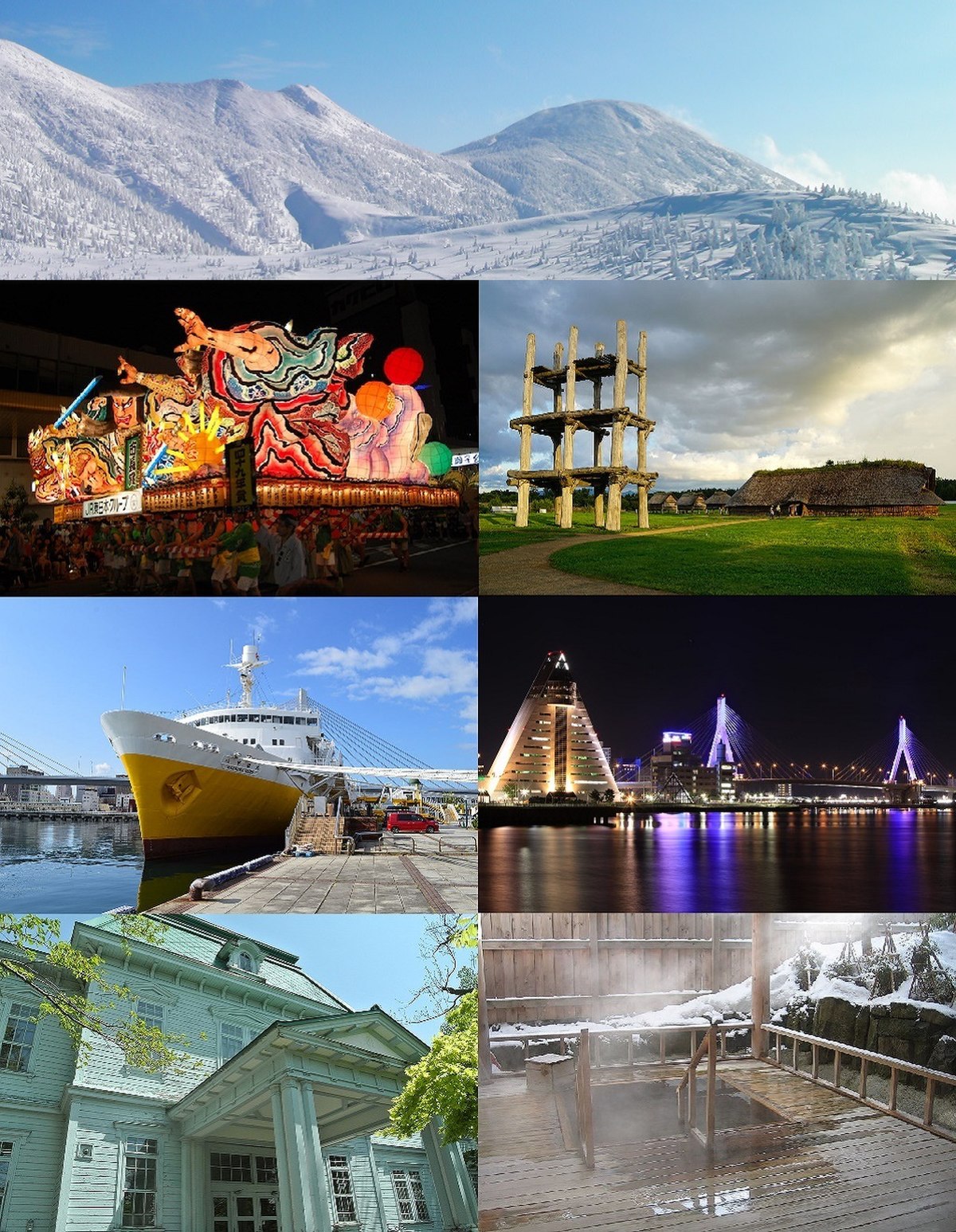
| Country | Japan |
| Population | 264945 |
| Area | 824.61 km2 (318.38 sq mi) |
| Time Zone | UTC+09:00 (JST) |
| Coordinates | 40.82277777777778, 140.74694444444444 |
| Highest elevation | 0 to 1,584 m (0 to 5,197 ft) |
City Gallery




City Description
Aomori, the northernmost city on Japan’s main island of Honshu, is known for its cold winters, stunning apple orchards, and the iconic Nebuta Festival. With a population of around 280,000 people, Aomori is the capital of Aomori Prefecture and serves as a major cultural and economic center for the region. Nestled between the Hakkoda Mountains and Mutsu Bay, Aomori offers incredible natural beauty, with landscapes that shift dramatically from vibrant fall foliage to heavy winter snowfall, making it an appealing destination year-round.
The history of Aomori is rich and has been shaped by its strategic location and harsh climate. The name “Aomori,” meaning “blue forest” or “green forest,” is thought to refer to the lush forests that surrounded the area or the blue of Mutsu Bay. Historically, Aomori developed as a port town and trading hub, connecting Japan with the northern territories of Hokkaido and the rest of Honshu. During the Edo period, Aomori grew in importance, and by the 20th century, it became a key military location due to its northern positioning. The city was heavily bombed during World War II but rose from the ashes and rebuilt into a modern, vibrant center. Today, Aomori maintains its historical roots while embracing modernity, with the Nebuta Festival being a vibrant reminder of its cultural heritage.
Geographically, Aomori sits in an area with diverse natural beauty, bordered by mountains, forests, and the sea. The city’s climate is humid continental, with mild summers and very snowy winters, as it is one of Japan’s snowiest cities, receiving up to 7.9 meters (26 feet) of snow each winter. This heavy snowfall contributes to the city’s famous winter landscapes and makes it a popular destination for winter sports enthusiasts. The Hakkoda Mountains to the south are known for their “snow monsters”—trees covered in heavy snow and ice formations—creating a unique winter wonderland that attracts skiers, hikers, and photographers alike. The nearby Towada-Hachimantai National Park, with its lakes, hot springs, and hiking trails, offers plenty of opportunities for outdoor activities throughout the year.
Culturally, Aomori is vibrant and deeply rooted in tradition, with the Nebuta Matsuri as its most famous celebration. This annual summer festival, held in early August, features large, elaborate lantern floats depicting warriors, mythological creatures, and local folklore. These floats, some up to 9 meters tall, are handcrafted from washi paper and are lit from within, creating a stunning spectacle as they parade through the streets accompanied by dancers, musicians, and the sound of taiko drums. Aomori is also known for its traditional Tsugaru shamisen music, which has a fast, rhythmic style that is unique to the region. Local artisans craft Tsugaru lacquerware, wooden bowls, and other traditional handicrafts, keeping these art forms alive for new generations to appreciate.
Aomori is Japan’s apple capital, producing more than half of the country’s apples, and these apples have become symbolic of the city. The fertile volcanic soil and cold climate are ideal for apple cultivation, producing varieties that are known for their size, crispness, and flavor. Every autumn, Aomori celebrates its apple harvest, and visitors can enjoy everything from fresh apples to apple-based products like cider, jams, and sweets. The A-Factory, a local market and cider brewery, showcases these products and offers tastings, making it a popular spot for tourists looking to experience Aomori’s agricultural pride.
In terms of human resources, Aomori’s workforce is largely employed in agriculture, forestry, fishing, and tourism. Apple farming is a significant part of the local economy, with many families having cultivated orchards for generations. Fishing is also vital, with Aomori’s coastal location providing access to abundant marine resources, including squid, scallops, and sea urchins. Local universities and technical schools offer specialized programs in agriculture and marine sciences, helping to support these industries. As tourism continues to grow, more people are finding employment in hospitality and services, which contributes to the local economy while promoting Aomori’s unique offerings.
Economically, Aomori relies on a mix of agriculture, fishing, and tourism, with apples as the top agricultural product. The apple industry alone brings in billions of yen annually, and exports of apples from Aomori are popular throughout Asia. The fishing industry, focused on squid and scallops, supports the local economy and supplies fresh seafood to both local markets and other parts of Japan. Tourism, driven by the Nebuta Festival, winter sports, and scenic beauty, has become an increasingly important sector, bringing in both domestic and international visitors. Aomori’s average income is somewhat lower than Japan’s national average, as the region remains rural and dependent on seasonal industries, but the city’s low cost of living and strong community ties make it a comfortable place to live.
Aomori’s infrastructure is well-developed, with efficient transportation links to major cities in Japan. The Tohoku Shinkansen connects Aomori with Tokyo in about three hours, making it accessible for tourists and locals alike. The Aomori Airport offers flights to domestic and international destinations, and ferries connect Aomori with Hokkaido, providing convenient access to Japan’s northernmost island. Public transport within the city includes buses and a local rail line, though many residents prefer to drive due to the city’s spread-out nature. Aomori’s healthcare services are modern and comprehensive, with several hospitals and clinics meeting the needs of residents and visitors.
Recreation in Aomori revolves around its natural and cultural attractions. The Hakkoda Mountains offer some of Japan’s best skiing and snowboarding, as well as beautiful hiking trails in the warmer months. In winter, the mountains become a magical snowscape, with the unique “snow monsters” drawing photographers and tourists from around the world. Aomori also boasts numerous hot springs, with Sukayu Onsen being one of the most famous. Known for its massive mixed-gender bath, Sukayu offers a traditional Japanese onsen experience and is especially popular after a day on the slopes. For those interested in culture and history, the Aomori Museum of Art and the Sannai-Maruyama Archaeological Site offer insights into the city’s artistic heritage and ancient history, with artifacts dating back over 5,000 years.
Aomori’s relaxed pace, rich traditions, and stunning landscapes make it a city where people can connect with both nature and Japanese culture. Whether you’re savoring a locally grown apple, watching the Nebuta floats illuminate the streets, or skiing through the snow-covered Hakkoda Mountains, Aomori offers an experience that’s rooted in heritage and natural beauty. Its combination of agricultural pride, community values, and seasonal festivals creates a sense of place that feels distinctively northern Japanese, inviting both residents and visitors to explore all that this beautiful city has to offer. Aomori is a place where tradition meets innovation, and where the people’s connection to the land is as vibrant as the Nebuta floats that light up the city each summer.
Leave a Reply