

| Country | Paraguay |
| Population | 263604 |
| Area | 220 km2 (80 sq mi) |
| Time Zone | None |
| Coordinates | -25.27, -57.48722222222222 |
| Highest elevation | 120 m (390 ft) |
City Gallery




City Description
Luque, a bustling city just outside Paraguay’s capital, Asunción, is a place where history, vibrant culture, and modern growth intersect. Home to around 260,000 people, Luque is part of the Greater Asunción metropolitan area and sits at the heart of Paraguay’s political and economic dynamics. Known for its rich tradition in crafts, particularly silver filigree and musical instruments, Luque stands out as a unique Paraguayan city that harmonizes artisanal skills with its increasing urban development.
Historically, Luque dates back to the early colonial period, having been established around the mid-16th century. The city holds a significant place in Paraguay’s history, especially during the War of the Triple Alliance (1864-1870), where Luque served as a temporary capital. This period, which was one of the most devastating wars in South American history, shaped Luque’s identity and contributed to the city’s resilience and pride. Today, traces of this past can still be seen in landmarks like the Iglesia Virgen del Rosario, a colonial-era church that reflects Luque’s historical roots and architectural heritage.
Geographically, Luque is located in the Central Department of Paraguay, sharing borders with Asunción to the south, and San Lorenzo to the east. The city has a subtropical climate with hot, humid summers and mild, drier winters. During the hottest months, temperatures often reach 35°C (95°F), while winter averages sit comfortably around 15°C (59°F). Situated near the Paraguay River, Luque benefits from fertile lands that have historically supported agriculture. The proximity to the Silvio Pettirossi International Airport, Paraguay’s main airport, places Luque in a strategic position for commerce and connectivity, allowing it to serve as a significant gateway for both domestic and international travel.
Culture in Luque is rich and deeply rooted in Paraguayan tradition. The city is famous for its silver filigree, known locally as filigrana, a craft where artisans intricately work with silver to create jewelry and decorative items that are popular throughout the country. Additionally, Luque is renowned as the “City of Harps,” producing high-quality Paraguayan harps and guitars that are integral to the country’s musical heritage. The local music, which includes styles like polka paraguaya and guarania, often fills the air during festivals and social gatherings, with locals proud of their musical legacy. The Festival del Takuare’ê is a particularly popular event that celebrates local music and dance, attracting visitors from all over Paraguay.
In terms of human resources, Luque has a diverse workforce primarily engaged in services, commerce, and manufacturing. Around 60% of Luque’s workforce is employed in small and medium-sized businesses, many of which are involved in artisanal crafts, food processing, and retail. The city has a strong youth population, with over 30% of its residents under the age of 25. Education has been steadily improving, with more schools and vocational programs emerging to support the city’s growing industries. Educational initiatives focus on technical skills, particularly in trades like woodworking, metalworking, and jewelry making, helping Luqueans maintain the city’s artisanal heritage while also preparing them for modern industries.
Economically, Luque is an essential player in Paraguay’s growth, with its close proximity to Asunción fueling its role as an industrial and commercial hub. The city’s economy is supported by a mix of local and regional businesses, ranging from food production to metalworking and traditional crafts. In recent years, Luque has experienced an influx of investment in real estate and infrastructure, driven partly by its increasing population and the expansion of Greater Asunción. Luque’s annual GDP per capita is estimated at around $6,000, which is slightly above the national average, reflecting the economic development taking place in this thriving suburban city. Shopping centers, restaurants, and entertainment venues have sprung up throughout Luque, giving locals and visitors a variety of leisure options.
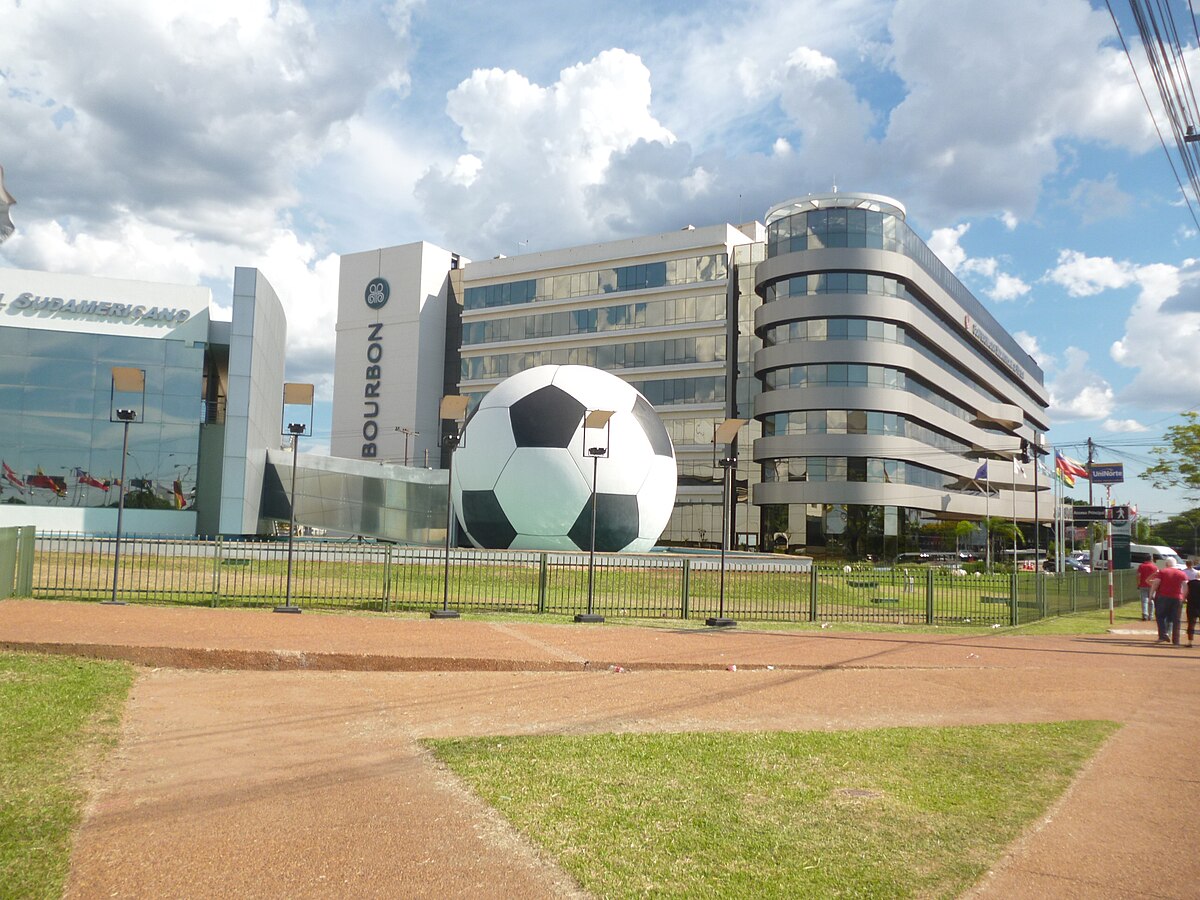
Luque is also known for its sports culture, particularly soccer. The city is home to the Club Sportivo Luqueño, one of Paraguay’s most beloved soccer teams, with a fan base that passionately fills the Estadio Feliciano Cáceres on game days. Soccer is a core part of community life, bringing people together and fostering local pride. In addition, Luque has become an administrative center for soccer in Paraguay, as it hosts the headquarters of the South American Football Confederation (CONMEBOL), further cementing its influence in regional sports.
The city’s infrastructure is robust, with major roadways connecting it to Asunción and surrounding areas, and public transportation options are extensive, though congestion can be a challenge due to the city’s growth. Luque is continually expanding to accommodate new housing developments and commercial spaces, and projects like the expansion of Avenida Silvio Pettirossi aim to improve traffic flow and accessibility. As part of its modernization, Luque has also implemented public health and safety initiatives, improving healthcare access and security measures across the city.
Luque’s combination of historical charm, artisanal craftsmanship, and modern infrastructure make it a city that’s both rooted in tradition and looking towards the future. Its growth as a commercial and cultural center alongside Asunción positions Luque as an attractive place to live and visit, where Paraguayan heritage and modern urban life come together seamlessly. For anyone looking to experience Paraguay’s rich culture in an authentic setting, Luque offers a dynamic yet grounded atmosphere that captures the spirit of the country’s past and present.
Leave a Reply