

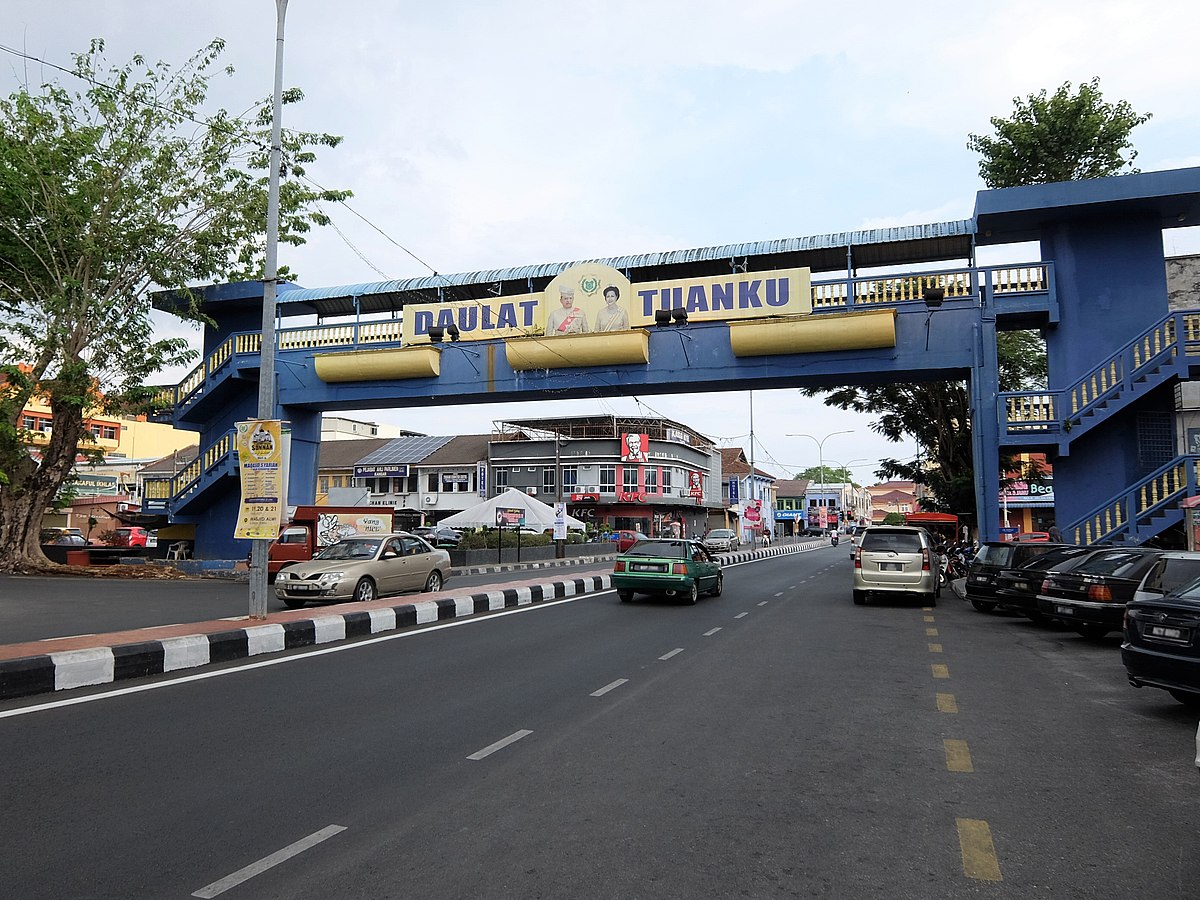
| Country | Malaysia |
| Population | 48898 |
| Area | 29.84 km2 (11.52 sq mi) |
| Time Zone | UTC+8 (MST) |
| Coordinates | 6.433333333333334, 100.2 |
| Highest elevation | None |
City Gallery




City Description
Kangar, the charming capital of Perlis, Malaysia’s smallest state, is a laid-back city nestled amidst lush green landscapes and rolling hills. With a modest population of around 48,000 people, Kangar serves as the administrative and economic center of Perlis and is known for its relaxed atmosphere, close-knit communities, and beautiful natural surroundings. Located just a few kilometers from the Thai border and only 10 kilometers from the coast, Kangar offers a unique blend of Malaysian and Thai cultural influences, making it a fascinating destination within northern Malaysia.
Historically, Kangar has been an important town for trade due to its proximity to the Thai border and the Perlis River, which allowed for the movement of goods in and out of the region. Though it began as a small settlement, Kangar grew into a bustling administrative center when Perlis was established as a state separate from Kedah in the early 1900s. The city’s name, Kangar, is believed to have come from a hawk species, the “kangkok,” which was once prevalent in the area. Today, reminders of Kangar’s rich history can be seen in landmarks such as the colonial-era Syed Alwi Mosque, one of the oldest mosques in the region, which reflects the city’s heritage and Islamic influence.
Geographically, Kangar is set against a scenic backdrop of limestone hills, paddy fields, and the flowing Perlis River. The city’s location within the fertile plains of Perlis makes it ideal for agriculture, particularly rice farming, which is a defining feature of the area. Kangar has a tropical rainforest climate, with temperatures averaging around 27°C (81°F) year-round, making it hot and humid, with plenty of rainfall. The city’s close proximity to natural attractions like Wang Kelian and the limestone caves of Gua Kelam adds to its appeal, drawing nature lovers and adventure seekers alike. Paddy fields dominate the landscape around Kangar, giving the area a serene, pastoral feel, especially during planting and harvest seasons when the fields transform into vibrant shades of green and gold.
Culturally, Kangar reflects a mix of Malay, Thai, and a touch of Chinese influence, creating a diverse community with strong traditions. Malay is the primary language spoken here, but the city’s close relationship with Thailand means many locals also speak some Thai, adding to its multicultural atmosphere. Festivals like Hari Raya, Chinese New Year, and Songkran (the Thai New Year) are celebrated with enthusiasm, showcasing the city’s cultural diversity. Food is an integral part of life in Kangar, and the local cuisine is a blend of Malay and Thai flavors. Popular dishes include laksa Perlis, a local noodle soup with spicy fish broth, and nasi ulam, a traditional herb rice dish. The city’s night markets, particularly the one in Arau, offer an array of street foods and local delicacies, making them a popular spot for locals and visitors to gather and socialize.
Human resources in Kangar are primarily focused on agriculture, trade, and public administration, reflecting its role as a state capital and a rural center. Paddy farming is a significant occupation here, with many families involved in rice cultivation, which remains an essential part of the local economy. Kangar is also home to Universiti Malaysia Perlis (UniMAP), which specializes in engineering and technical studies, providing opportunities for higher education and contributing to a small but growing professional workforce. The literacy rate in Perlis is high, and the city’s young population has been increasingly drawn to educational and vocational training programs that support the agriculture, education, and service sectors.
Economically, Kangar’s backbone is agriculture, particularly rice farming. Perlis, being part of Malaysia’s “rice bowl,” produces a large portion of the country’s rice, and Kangar serves as the primary trade and distribution center for this production. In addition to rice, the surrounding areas also grow fruits like mangoes and guavas, which are popular in local markets. Small-scale manufacturing and cottage industries, including traditional crafts like batik and songket weaving, add to the local economy, although these industries are largely family-run and focused on meeting local demand. Kangar has a growing tourism sector, thanks to its natural attractions and cultural heritage, with Wang Kelian, Gua Kelam, and the nearby Perlis State Park drawing visitors interested in eco-tourism. The city’s average household income is modest compared to Malaysia’s more urbanized areas, but the low cost of living and strong community support make Kangar a comfortable place to live.
Infrastructure in Kangar is well-maintained, with major road connections to the rest of Malaysia via the North-South Expressway and rail services linking it to neighboring cities and even Thailand. Public transportation within the city is limited, with many residents relying on motorbikes, cars, and bicycles. Kangar’s compact size makes it easy to navigate, and the city’s network of small roads and lanes are filled with vibrant local life, from roadside stalls to community markets. Healthcare facilities in Kangar are well-equipped for a small city, with the Tuanku Fauziah Hospital being the main healthcare provider in the area. For larger medical needs, residents often travel to Alor Setar or Penang, both of which are nearby.
Sports and outdoor activities are popular among locals, with football and badminton being the most beloved sports. The city has several community sports complexes, and the Perlis State Sports Complex hosts various sporting events and community activities. Outdoor enthusiasts can explore the limestone caves, waterfalls, and hiking trails around Kangar, with places like the Wang Kelian Viewpoint offering breathtaking views of the surrounding landscape. Fishing is another common pastime here, with locals often heading to nearby rivers and lakes to relax and enjoy the natural beauty.
Kangar is a city where traditional life and modern conveniences exist in harmony. Its small-town charm, scenic landscapes, and welcoming community make it a peaceful and unique place within Malaysia. Whether exploring the rice fields, visiting local markets, or hiking in the nearby hills, Kangar offers an authentic look at rural Malaysian life, set against the stunning backdrop of Perlis’s natural beauty. As more people discover the attractions and lifestyle that Kangar offers, it’s sure to remain a cherished part of Malaysia, with its unique blend of culture, nature, and community.
Leave a Reply