


| Country | India |
| Population | 496830 |
| Area | 92 km2 (36 sq mi) |
| Time Zone | UTC+5:30 (IST) |
| Coordinates | 25.778, 87.476 |
| Highest elevation | 36 m (118 ft) |
City Gallery

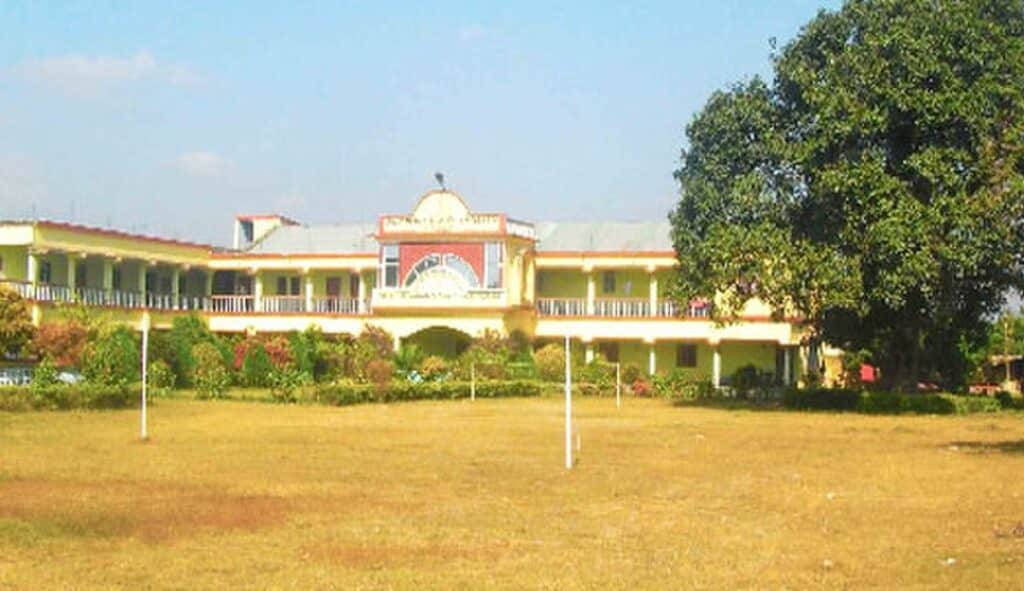



City Description
Purnia, a lively city in the northeastern part of Bihar, India, is known for its rich cultural heritage, agricultural strength, and its growing role as a regional trade hub. With a population of over 300,000, Purnia serves as the administrative headquarters of the Purnia district and is often called the “Gateway of Northeast India” due to its proximity to West Bengal, Assam, and the bordering countries of Nepal and Bangladesh. Located about 300 kilometers from Patna, Purnia combines a rustic charm with a growing urban landscape, making it a fascinating blend of tradition and progress.
The history of Purnia goes back several centuries, with evidence of its significance during the Mughal period. The name “Purnia” is believed to derive from the Sanskrit words “Purna” (complete) and “Aranya” (forest), hinting at the area’s historical landscape filled with dense forests. During the British colonial period, Purnia became an important administrative region due to its strategic location and fertile lands, which were ideal for growing indigo, jute, and other cash crops. In recent decades, Purnia has transformed into a bustling city, yet it still retains much of its historical essence, with old buildings and local landmarks that remind residents of the city’s storied past.
Geographically, Purnia is situated in the fertile Gangetic plains, with the Kosi and Mahananda rivers flowing through the region. These rivers not only contribute to the area’s agricultural productivity but also give the city beautiful natural landscapes. Purnia experiences a humid subtropical climate, with hot summers where temperatures often reach 35-40°C, a monsoon season from June to September, and mild winters that hover around 10-15°C. The city is prone to seasonal flooding due to the Kosi River, often called the “Sorrow of Bihar,” which has shaped both the geography and lifestyle of the people here. Despite these challenges, the fertile soil makes Purnia one of the major agricultural centers in Bihar.
Culturally, Purnia is a vibrant city with a blend of traditions and festivals that reflect its Bihari roots. The city celebrates major Hindu festivals like Chhath Puja, Holi, and Diwali with immense enthusiasm, drawing people together for rituals, prayers, and community gatherings. Chhath Puja, in particular, is celebrated with great devotion, as people gather by the riversides at sunrise and sunset to pay homage to the Sun God. The local culture is also influenced by nearby Bengal, with the Durga Puja festival adding a Bengali touch to the city’s festivities. Traditional Bihari folk music and dances are part of wedding celebrations and other special events, where locals perform Bhojpuri songs and dances with zest. The food in Purnia is hearty and flavorful, featuring traditional dishes like litti chokha, sattu paratha, and various rice-based dishes, all of which highlight the local flavors. The city’s markets are lively with street vendors selling snacks, sweets, and local produce, creating a warm, bustling atmosphere that’s characteristic of Purnia.
Human resources in Purnia are centered around agriculture, education, and small businesses. Purnia has a strong farming community, with many families relying on agriculture for their livelihoods. The fertile land supports crops like rice, wheat, maize, jute, and a variety of vegetables, making agriculture a key sector in the local economy. Education is gaining importance, with several schools, colleges, and coaching centers that provide opportunities for students in Purnia and nearby rural areas. Institutions like Purnia College and Purnia University offer higher education in arts, science, and commerce, helping to develop a skilled workforce. Many young people from Purnia migrate to larger cities for education and jobs but maintain close ties to their hometown. With growing urbanization, local businesses and retail sectors have seen expansion, employing a mix of skilled and unskilled workers in shops, markets, and small industries.
Economically, Purnia is driven by agriculture, trade, and small-scale industries. The city is one of the major producers of jute, and its jute mills supply raw materials to various industries across the country. Besides jute, rice and maize are essential crops, contributing to the local economy and supporting local markets. Purnia has become a trading center for agricultural products, attracting traders from Bihar and neighboring states. The city’s location on the Northeast Corridor also makes it an important transportation and logistics hub, connecting it to major cities like Siliguri and Guwahati. Small-scale industries, such as rice milling, jute processing, and textile manufacturing, add to the city’s economic diversity. In recent years, the retail sector has grown, with new shopping complexes, local markets, and an expanding service sector providing job opportunities and modern conveniences to residents.
Purnia’s cityscape is a mix of traditional neighborhoods, busy markets, and emerging urban developments. The heart of the city is dotted with bazaars and markets like Gulabbagh Mandi, one of the largest grain markets in the region, where traders buy and sell a variety of agricultural products. The city has old temples, mosques, and historic buildings, adding a sense of heritage to the otherwise bustling streets. The Rajni Chowk area is particularly lively, with vendors, small shops, and traffic that’s typical of an evolving Indian city. In contrast, the residential areas are quieter, with a mix of traditional homes and modern houses, as Purnia adapts to urban growth while holding onto its rural charm. The city also has several public parks and green spaces, where locals gather for morning walks and socializing, giving it a close-knit community feel.
Daily life in Purnia revolves around family, work, and community interactions. Farmers begin their day early, heading to the fields, while shopkeepers and traders prepare their stalls and stores in the bustling markets. Evenings are lively, with locals visiting tea stalls and sweet shops, catching up with friends and neighbors over a cup of chai and a plate of freshly fried samosas. The city’s people are known for their warmth and hospitality, making it easy for visitors to feel welcome. During festivals, the streets of Purnia come alive with colors, music, and dance, reflecting the city’s vibrant cultural spirit. Education and family are highly valued, with many families investing in their children’s schooling and supporting them in pursuing opportunities outside Purnia.
Public services in Purnia are steadily improving, with healthcare, education, and infrastructure seeing recent developments. Purnia has several hospitals, including the Government Medical College and Hospital, which provides healthcare services to the city and surrounding rural areas. Education is a growing focus, with public and private schools as well as coaching centers preparing students for competitive exams and higher studies. The road network in and around Purnia connects it to nearby towns and cities, while Purnia Junction railway station is a major rail hub, providing access to major cities across India. Public transportation, mainly through rickshaws, buses, and shared autos, makes it easy for locals to commute within the city and surrounding areas.
Sustainability is becoming increasingly important in Purnia, especially in agriculture and waste management. Farmers are exploring sustainable practices to preserve soil quality and reduce dependency on chemical fertilizers. Community efforts are being made to keep the city’s rivers and natural resources clean, although challenges like waste disposal and seasonal flooding still need attention. Local organizations and schools are raising awareness about the importance of preserving Purnia’s environment and natural resources, with tree-planting campaigns and clean-up drives.
Purnia is a city where tradition and modernity coexist harmoniously. Known for its fertile lands, craftsmanship, and strong community values, Purnia reflects the essence of Bihar’s rural heritage while embracing growth and change. Whether enjoying a warm meal of litti chokha, wandering through the lively markets, or witnessing the beauty of the Kosi River, Purnia offers an authentic glimpse into life in Bihar. It’s a city filled with resilience, pride, and potential—a place where people work together to build a brighter future while honoring the legacies of the past. From its rich agricultural landscapes to its bustling markets and cultural festivities, Purnia is a true reflection of the heart and soul of northeastern India.
Leave a Reply