


| Country | India |
| Population | 278435 |
| Area | 34.06 km2 (13.15 sq mi) |
| Time Zone | UTC+5:30 (IST) |
| Coordinates | 22.72, 88.48 |
| Highest elevation | 11 m (36 ft) |
City Gallery


City Description
Barasat, a bustling city located just 24 kilometers north of Kolkata in West Bengal, India, is a lively urban hub that mixes tradition with rapid development. With a population of around 280,000, Barasat is the administrative headquarters of the North 24 Parganas district and plays a significant role in the region’s cultural, economic, and educational landscape. Known for its vibrant street life, rich history, and strong connection to Bengali traditions, Barasat is a city where the charm of suburban Kolkata meets the pulse of a growing town.
The history of Barasat dates back to the Mughal period, with its roots as a small settlement. It became more prominent in the 18th century, under British colonial rule, when it served as a key administrative and commercial center. Barasat played an active role in the Indian freedom movement, with prominent freedom fighters like Titumir and Rishi Bankim Chandra Chattopadhyay hailing from the area. Today, the city has grown into a bustling urban center with a unique character, balancing its historical roots with a steadily modernizing cityscape.
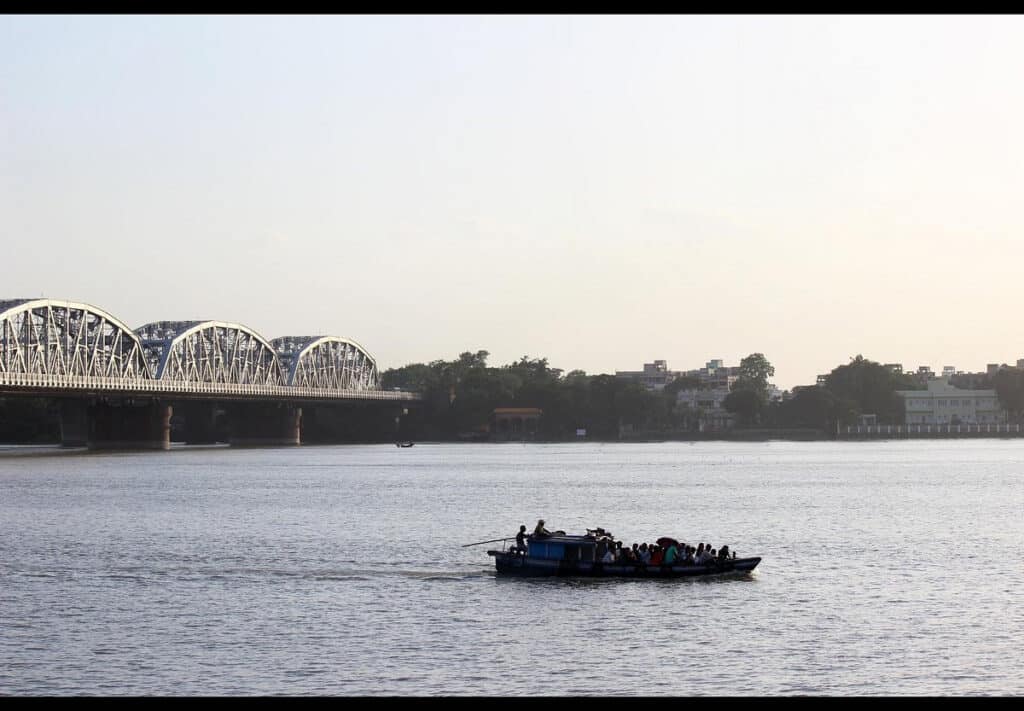
Geographically, Barasat lies in the Ganges delta region, with a flat terrain and humid subtropical climate. The city experiences hot, humid summers where temperatures often reach 35°C, a monsoon season from June to September that brings substantial rainfall, and a cooler winter season, with temperatures around 15-20°C. Barasat’s close proximity to the Hooghly River gives the city access to fertile soil, benefiting local agriculture and greenery. The surrounding region is dotted with small ponds, known as “bil,” which are common throughout Bengal and provide a natural beauty to the landscape, as well as serving as an important water source.
Culturally, Barasat is deeply influenced by Bengali heritage and customs, celebrating various festivals with full enthusiasm. Durga Puja, the grandest festival, sees the entire city adorned with lights and intricate pandals, while Saraswati Puja, Kali Puja, and Poila Boishakh (Bengali New Year) are also celebrated widely. The city has a strong literary and artistic community, with many local poets, writers, and artists contributing to Barasat’s creative scene. Barasat is also known for its music and theater performances, with cultural clubs and local theaters hosting events throughout the year. Traditional Bengali cuisine, including dishes like fish curry, luchi-alur dom (fried flatbread with potato curry), and sweets like sandesh and rasgulla, is a part of everyday life, with local eateries and sweet shops adding to the city’s vibrant food culture.
Human resources in Barasat are diverse, shaped by the city’s growing educational institutions and thriving retail sector. The West Bengal State University, located in Barasat, has become an important educational hub for students from across the region, offering programs in the humanities, sciences, and commerce. Additionally, Barasat has numerous schools and coaching centers, making it a popular destination for students pursuing higher education and competitive exam preparation. The educated workforce supports a range of professions in fields like teaching, healthcare, retail, and administrative services. Barasat’s proximity to Kolkata also makes it a popular choice for residents who work in the city but prefer the suburban lifestyle.
Economically, Barasat is driven by retail, small-scale industries, and agriculture. The retail sector is especially strong, with bustling marketplaces like Champadali More and Barasat Bazar drawing shoppers from nearby towns and villages. These markets sell everything from fresh produce, textiles, and jewelry to household items, providing a lively shopping experience typical of Bengali marketplaces. Small-scale industries, including garment manufacturing and handicrafts, also contribute to the economy, with local artisans producing traditional Bengali saris and handmade goods. Agriculture remains a part of the city’s economy, as farmers from the surrounding areas supply rice, vegetables, and fish to Barasat’s markets. Additionally, real estate has become a growing sector, with new housing developments catering to the city’s expanding population.
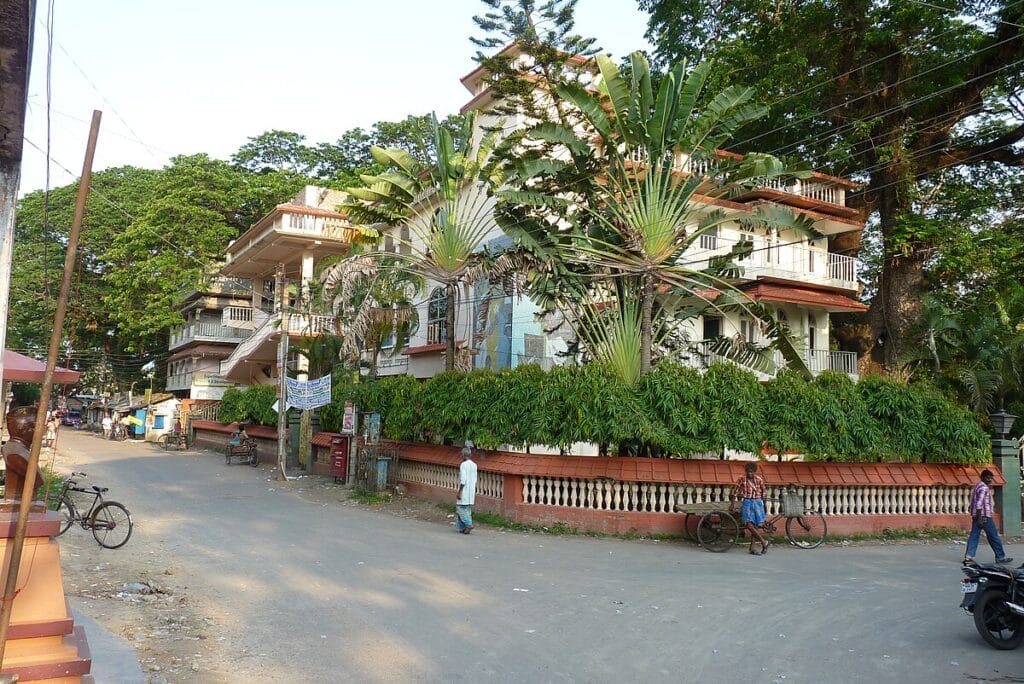
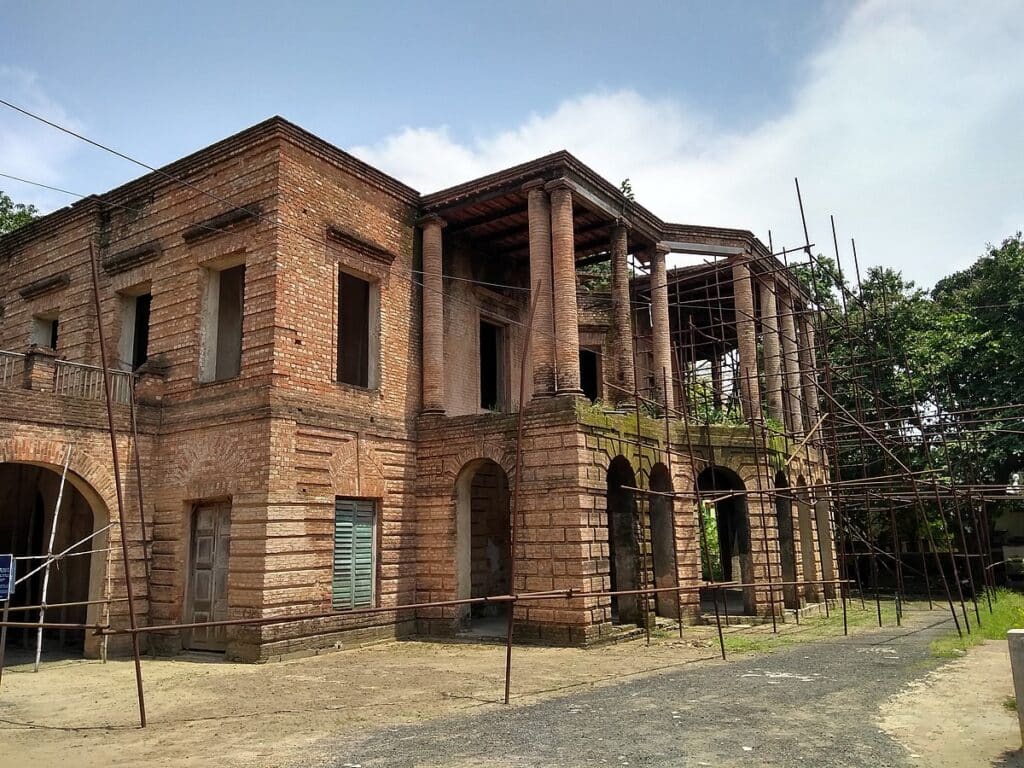
Barasat’s cityscape is a mix of old and new, with colonial-era buildings, temples, mosques, and modern apartments creating a diverse architectural landscape. The main thoroughfares, like Jessore Road and Madhyamgram Road, are lined with shops, schools, and offices, making them busy commercial zones. Residential areas are typically calm and tree-lined, with neighborhoods like Nabapally and Hridaypur providing peaceful living spaces that attract both families and professionals. Iconic landmarks, like the Kachari Math (a large open ground used for cultural events and fairs) and the Barasat Kalibari temple, add historical and cultural depth to the city. Recently, infrastructure improvements have included better roads, drainage systems, and transportation options, enhancing Barasat’s connectivity with the greater Kolkata region.
Daily life in Barasat is shaped by its close community bonds, traditional values, and the relaxed yet bustling pace of suburban life. Morning and evening markets are a staple, with vendors setting up stalls to sell fresh vegetables, fish, and local produce. People often gather in local tea stalls, or “cha-er dokan,” to enjoy a cup of tea and discuss news and politics, a typical scene in Bengali cities. Weekends and holidays see families visiting local parks, temples, and fairs, especially during festival seasons. Education is a priority for many families, with students often attending after-school coaching or studying in local libraries. With a strong sense of community, neighbors often support each other, and there is a tradition of organizing cultural events, book fairs, and theater performances, reflecting the community spirit of Barasat.
Public services in Barasat have seen improvements in recent years, with investments in healthcare, education, and transportation infrastructure. Barasat District Hospital is the main healthcare provider, and there are numerous clinics and private hospitals to serve the city’s growing population. Public transportation includes buses, auto-rickshaws, and cycle-rickshaws, which connect Barasat to Kolkata and nearby towns. The city also has a railway station on the Sealdah–Hasnabad line, providing easy access to Kolkata and other parts of West Bengal. The Netaji Subhas Chandra Bose International Airport in Kolkata is just a short drive away, making air travel convenient for residents.
Sustainability is a growing focus for Barasat, with local authorities working to improve waste management and reduce pollution. The city has implemented better waste disposal systems and encourages recycling and composting through community programs. Efforts to maintain green spaces and clean the numerous ponds have also increased, with local environmental groups working on projects to protect Barasat’s natural resources. Public awareness campaigns on topics like water conservation and waste reduction are gaining popularity, contributing to a more eco-conscious community.
Barasat is a city where traditional Bengali life meets the momentum of a modern, developing town. Its markets, cultural events, and educational institutions make it a lively and attractive place, and its strong connection to Kolkata enhances its appeal. Whether exploring the colorful bazaars, savoring traditional sweets, or enjoying a quiet evening at a local temple, Barasat offers an authentic slice of Bengali culture in a growing urban setting. For residents and visitors alike, Barasat is a city filled with warmth, community spirit, and the enduring charm of West Bengal’s rich heritage.
Leave a Reply