

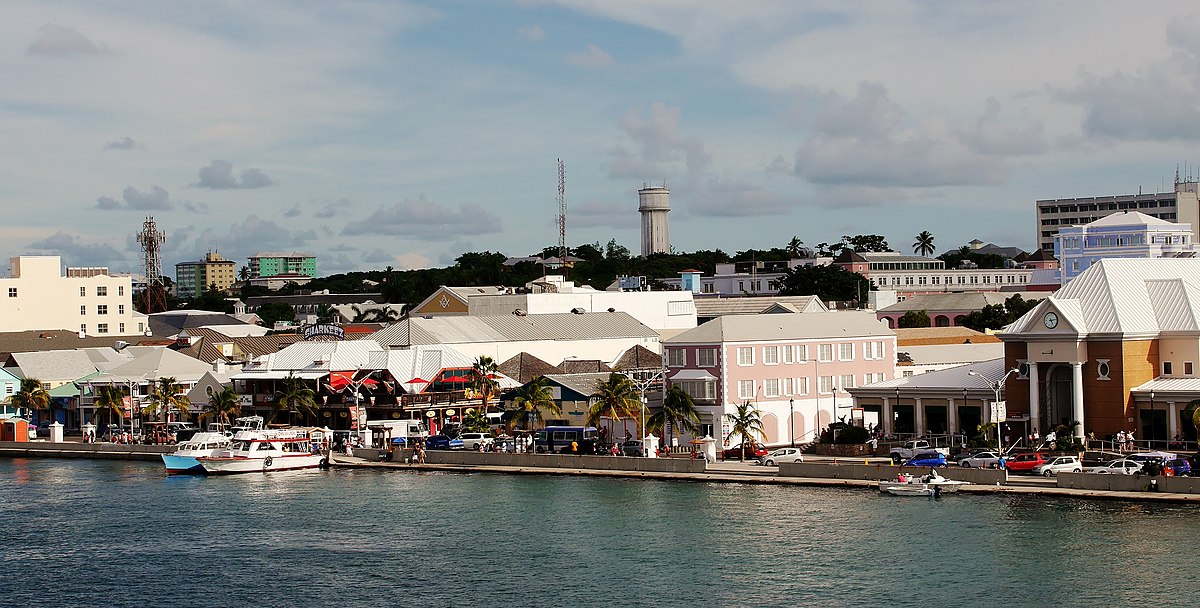
| Country | Bahamas |
| Population | 246329 |
| Area | 200 km2 (80 sq mi) |
| Time Zone | UTC−5 (EST) |
| Coordinates | 25.04416666666667, -77.35027777777778 |
| Highest elevation | None |
City Gallery




City Description
Nassau, the capital and largest city of the Bahamas, is a vibrant, sun-soaked hub that perfectly blends Caribbean culture with modern attractions and a rich history. Located on the island of New Providence, Nassau is home to about 275,000 residents—over 70% of the country’s population—making it the political, cultural, and economic heart of the Bahamas. Known for its beautiful beaches, colorful architecture, and lively atmosphere, Nassau is a popular destination for both locals and the millions of tourists who visit each year to experience its unique island charm.
Nassau’s history is filled with tales of pirates, colonial settlers, and independence. Founded by British settlers in the late 1600s, it was originally called Charles Town until it was renamed Nassau in honor of King William III of the House of Nassau. The city quickly became infamous as a pirate haven in the early 18th century, attracting legendary pirates like Blackbeard, who used Nassau’s shallow waters as a base for raiding nearby Spanish and British ships. The British eventually restored order, and Nassau grew as a colonial capital. It remained under British rule until the Bahamas gained independence in 1973, and today, remnants of Nassau’s storied past can still be found in the form of forts, colonial buildings, and museums that tell the story of its adventurous history.
Geographically, Nassau stretches across 207 square kilometers on New Providence Island, with the blue-green waters of the Caribbean Sea framing the coastline. The climate is tropical, with warm temperatures year-round averaging around 26°C, but the city is cooled by trade winds that make it comfortable even in the height of summer. Nassau has a hurricane season that spans from June to November, bringing occasional storms, but generally, the weather is sunny and inviting. The white-sand beaches like Cable Beach and Junkanoo Beach are well-known for their beauty, and offshore reefs create ideal spots for snorkeling and diving, drawing visitors from around the world.
Nassau’s culture is a lively blend of African, European, and indigenous influences, seen in everything from the food and music to its annual festivals. Junkanoo, the Bahamian festival held on Boxing Day (December 26) and New Year’s Day, is a highlight, filling Nassau’s streets with vibrant parades, traditional Bahamian music, and dancers in elaborate, colorful costumes. This festival has roots in West African traditions and has become a symbol of Bahamian culture and pride. The Straw Market in downtown Nassau is a go-to spot for handcrafted Bahamian goods, from woven baskets to wooden carvings and jewelry. Nassau’s food scene showcases the island’s diverse influences, with popular dishes like conch fritters, Bahamian rock lobster, and pigeon peas and rice available at both street stalls and fine dining restaurants.
Human resources in Nassau are diverse, with a significant portion of the workforce employed in tourism and hospitality, reflecting the city’s role as a top destination in the Caribbean. Tourism accounts for about half of the Bahamas’ GDP, and Nassau is central to that industry, with thousands working in hotels, resorts, tour companies, and restaurants. The city also has a growing financial services sector, which contributes about 15% to the economy and employs skilled professionals in banking, accounting, and law. Education is important in Nassau, with the University of the Bahamas serving as the country’s main higher education institution, offering degrees in tourism, business, and technology, as well as programs focused on Bahamian culture and environmental studies. Many Nassau residents pursue opportunities in these fields, adding to the city’s skilled workforce.
The economy in Nassau is powered by tourism, but it has diversified over the years to include banking, real estate, and retail. Luxury resorts like Atlantis Paradise Island and Baha Mar bring in thousands of visitors annually, generating significant revenue and supporting local businesses. The city’s port is one of the busiest cruise ship ports in the world, with over 3 million visitors arriving by sea each year. Nassau’s real estate market is booming as well, with properties ranging from luxury oceanfront homes to smaller apartments, catering to both locals and foreign investors. The downtown area is filled with shops, boutiques, and duty-free stores, making it a popular spot for both tourists and locals. The island’s Freeport Harbor is a significant cargo port as well, handling trade goods that keep the local economy moving.
Nassau’s cityscape is a mix of colonial-era buildings, modern resorts, and pastel-colored homes that give it a quintessentially Caribbean look. In the heart of Nassau, Parliament Square is lined with pink government buildings, a nod to its colonial past, and nearby landmarks like Fort Charlotte and Fort Fincastle offer glimpses into Nassau’s history, with cannons and underground passageways dating back to the late 18th century. The Queen’s Staircase, a 66-step stone stairway carved by slaves in the late 1700s, is another historic site that leads up to Fort Fincastle and offers panoramic views of the city. Alongside these historic spots, modern attractions like the mega-resorts, casinos, and Nassau’s Marina Village, with its high-end boutiques and restaurants, show the city’s contemporary flair.
Nassau’s daily life moves at a relaxed pace, with a friendly, welcoming community known for their hospitality and “island time” approach to life. Community and family are central to life here, and Nassau’s residents are often found gathering at local beaches, enjoying outdoor markets, or participating in weekend fish fry events. Arawak Cay, known as “Fish Fry,” is a popular weekend hangout where locals and tourists come together to enjoy fresh seafood, music, and good company. Public services are robust in Nassau, with well-developed healthcare facilities, including Princess Margaret Hospital and several private clinics that serve both locals and expatriates. Transportation is mostly by car or public jitney buses that make it easy to get around, and the Lynden Pindling International Airport offers direct flights to major destinations in North America, keeping Nassau well-connected to the outside world.
Nassau is also stepping up in terms of sustainability, with several initiatives focusing on preserving the city’s coral reefs, reducing plastic waste, and promoting eco-friendly tourism. The Bahamas National Trust and other local organizations work to protect the island’s natural resources, with programs in place to educate residents and tourists alike on environmental conservation. Efforts to create marine protected areas and reef restoration projects are ongoing, aiming to preserve the natural beauty and biodiversity that make Nassau’s waters so unique.
In all, Nassau is a city where history, culture, and natural beauty blend seamlessly, creating an unforgettable Caribbean experience. From its colonial landmarks and thriving markets to its pristine beaches and lively festivals, Nassau offers both locals and visitors a slice of paradise infused with Bahamian spirit. Whether exploring the turquoise waters, savoring Bahamian delicacies, or joining the colorful revelry of Junkanoo, Nassau captures the soul of the Bahamas, inviting everyone to enjoy the easygoing rhythm and warm hospitality that make it one of the Caribbean’s most beloved cities.
Leave a Reply