

| Country | Colombia |
| Population | 222541 |
| Area | 3,120 km2 (1,200 sq mi) |
| Time Zone | UTC-05 (Eastern Time Zone) |
| Coordinates | 11.544166666666667, -72.90694444444445 |
| Highest elevation | 5 m (16 ft) |
City Gallery




City Description
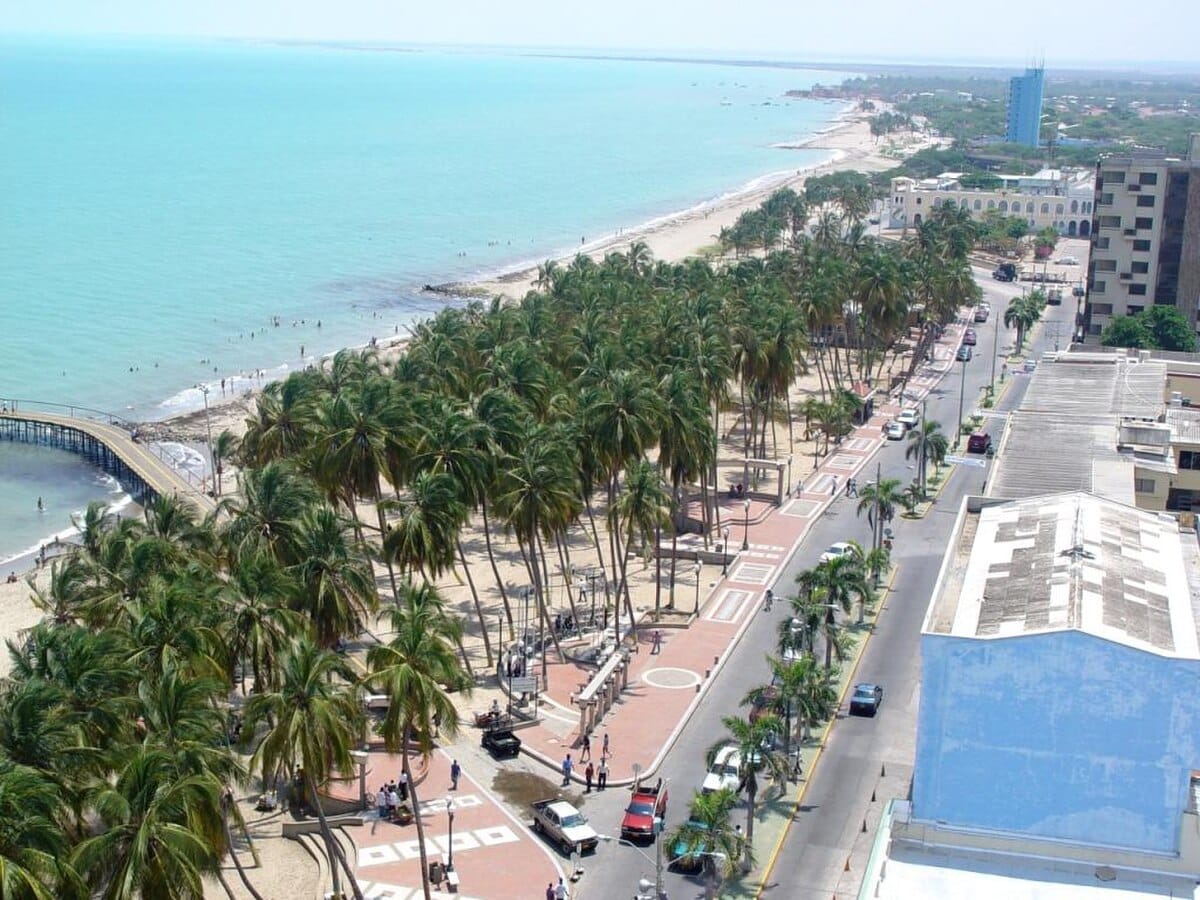
Riohacha, Colombia, a coastal gem on the Caribbean Sea, is the capital of the La Guajira Department. With a population of around 200,000, this city offers a blend of indigenous culture, vibrant history, and picturesque natural beauty. Founded in 1545 by Nikolaus Federmann, Riohacha has grown from a colonial port to a modern hub while retaining its rich cultural heritage and coastal charm.
Nestled on Colombia’s northern tip, Riohacha enjoys a tropical climate with temperatures typically ranging from 24°C to 32°C (75°F to 90°F) year-round. The city covers an area of approximately 3,400 square kilometers, including the urban zone and surrounding arid landscapes. The coastal location allows Riohacha to bask in the warmth of the Caribbean sun, with gentle breezes coming off the sea. However, the region is also characterized by dry seasons that can stretch for months, influencing its economy and local lifestyles.
Historically, Riohacha played a significant role in Colombia’s colonial era as a vital port for the export of pearls, which were abundant in the nearby seas. The indigenous Wayuu people, the largest indigenous group in Colombia, have lived in this area for centuries. Their influence remains visible throughout the city, especially in the form of colorful handicrafts, such as the famous ‘mochilas Wayuu’—woven bags that are popular among locals and tourists alike. The city’s history also involves resistance and adaptation as it has faced numerous pirate attacks and conflicts over the centuries. Despite these challenges, Riohacha has preserved its heritage and evolved into a multicultural city.
Today, Riohacha’s economy is a mix of tourism, agriculture, and commerce. Tourism is particularly significant due to its status as a gateway to the beautiful La Guajira Peninsula. The city attracts thousands of visitors each year who come to explore the sandy beaches, visit Cabo de la Vela’s striking coastal landscapes, or discover the majestic dunes of Taroa. These sites make Riohacha a hotspot for ecotourism and adventure tourism, which contributes significantly to the local economy. The city’s infrastructure, including hotels, restaurants, and tour agencies, has developed to cater to this influx of visitors, creating jobs and promoting economic growth.
Agriculture also plays a crucial role in Riohacha’s economy, particularly the cultivation of crops like yucca, corn, and plantains. However, due to the dry climate, irrigation and sustainable practices are vital for maintaining agricultural productivity. Fishing is another important economic activity, with local fishers providing fresh seafood that is a staple in the city’s culinary culture. Traditional dishes such as fried fish with coconut rice or seafood soups are common and reflect the region’s coastal heritage.
The population of Riohacha is diverse, composed of Afro-Colombians, indigenous Wayuu, and mestizo communities. This blend of cultures enriches the city’s identity, evident in its festivals, music, and daily life. The ‘Fiesta de la Virgen de los Remedios,’ held every February, is one of the city’s major events, combining religious traditions with cultural celebrations, including parades, dances, and music performances. Vallenato, a popular Colombian music genre, resonates through Riohacha’s streets, adding to its vibrant atmosphere.
Culturally, Riohacha stands out for its artistic traditions and the craftsmanship of the Wayuu people. The city’s markets are filled with artisans selling handmade crafts, particularly the iconic mochilas, hammocks, and colorful jewelry. These goods are not only a source of income for the Wayuu community but also an important way of preserving their traditions and sharing their culture with the world.
Geographically, Riohacha serves as an entry point to one of Colombia’s most unique natural reserves—the La Guajira Desert. This region, characterized by arid landscapes and shifting sand dunes, provides a stark contrast to the lush tropical environments found elsewhere in Colombia. It is also home to the Wayuu Rancherías, where visitors can experience the lifestyle, customs, and traditions of the indigenous community.
Human resources in Riohacha are shaped by its economic structure, with many residents employed in tourism, fishing, agriculture, and retail. Education levels in the city have been improving, but access to higher education remains limited compared to larger Colombian cities. As a result, many young people migrate to bigger urban centers for educational and employment opportunities, which poses challenges for Riohacha’s long-term development.
Despite these challenges, Riohacha’s future looks promising as the city continues to invest in tourism and local industries. New initiatives focus on sustainable tourism, aiming to protect the natural beauty of the region while providing economic benefits for its residents. Infrastructure projects are also underway to improve road connections to nearby attractions, making it easier for tourists and locals to explore the region.
Riohacha remains a city of contrasts—where modern life blends with age-old traditions, and the arid desert meets the turquoise Caribbean Sea. Its resilience, cultural richness, and natural beauty make it a fascinating destination, inviting visitors to experience a lesser-known side of Colombia.
Leave a Reply