

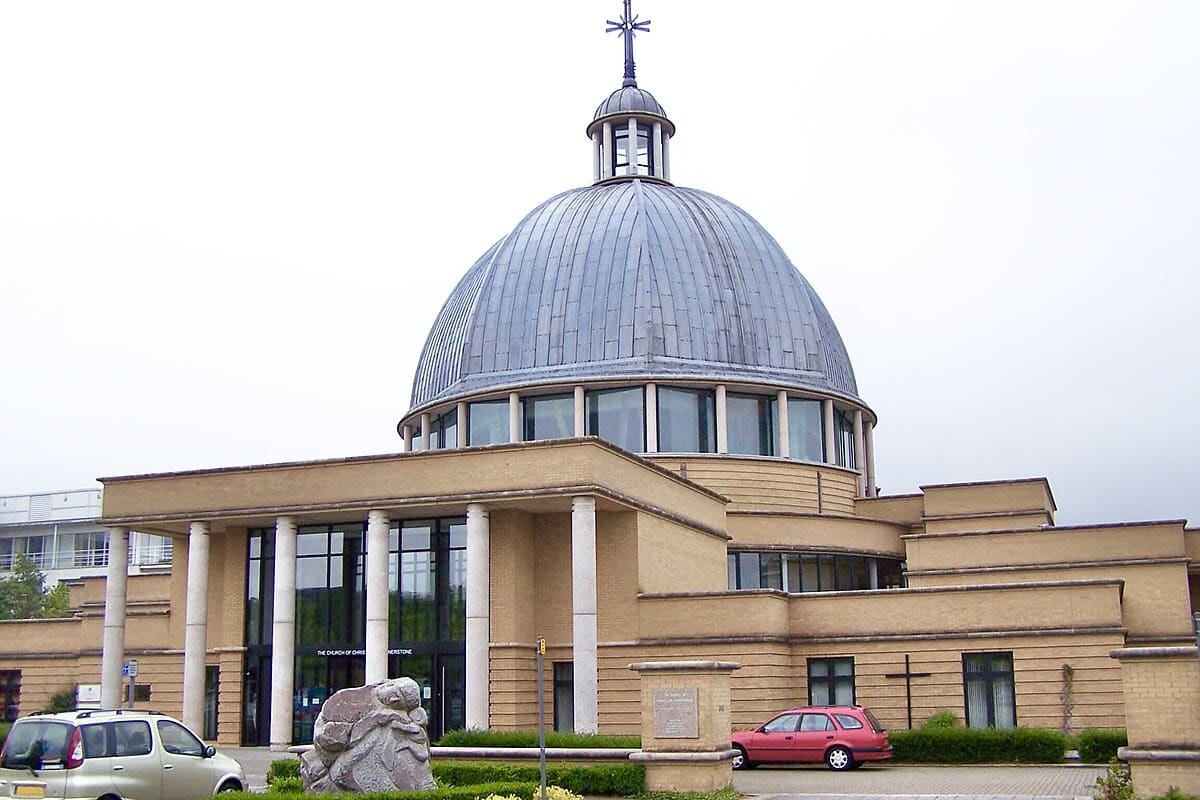
| Country | United Kingdom |
| Area | 89 km2 (34 sq mi) [1] |
| Time Zone | None |
| Coordinates | 52.04, -0.76 |
| Highest elevation | None |
City Gallery




City Description
Milton Keynes, United Kingdom, is a unique city that blends modern design with a rich sense of community, located about 80 kilometers northwest of London. Established as a new town in 1967, Milton Keynes was designed to address housing shortages in London and the Southeast. Today, it has grown into a vibrant urban center with a population of over 270,000 people, becoming one of the fastest-growing cities in the UK. Its planned layout, abundant green spaces, and diverse economy make it an interesting blend of urban innovation and suburban charm.
The city’s geography is distinctive, with a grid road system inspired by American cities, making navigation straightforward. It spans approximately 89 square kilometers, encompassing a mix of residential neighborhoods, business districts, parks, and lakes. The city is known for its green infrastructure, boasting over 5,000 acres of parkland and open spaces, including Campbell Park and Willen Lake, which provide recreational opportunities for residents and visitors alike. The Grand Union Canal runs through the city, adding a picturesque waterway to its landscape.
Milton Keynes has an interesting history despite its relatively recent establishment. The area was originally composed of small towns and villages, some of which date back to medieval times. Evidence of early settlement can be found in places like Stony Stratford and Bletchley, which were important stops along historic trade routes. During World War II, Bletchley Park, located within the boundaries of Milton Keynes, played a crucial role as a codebreaking center, famously deciphering the Enigma code. Today, Bletchley Park is a museum, attracting visitors interested in its wartime history and technological heritage.
Economically, Milton Keynes is a powerhouse, contributing significantly to the UK’s GDP. The city’s strategic location near major motorways like the M1 and its proximity to London make it an ideal hub for businesses. It is home to over 13,000 companies, ranging from start-ups to multinational corporations, including major names like Santander, Red Bull Racing, and Network Rail. The city’s GDP per capita is one of the highest in the UK, reflecting its dynamic business environment. The local economy is diverse, with strengths in sectors like finance, technology, logistics, and professional services. Milton Keynes also hosts the UK’s largest distribution center, underlining its role as a critical logistics hub.
The human resources of Milton Keynes are a blend of young professionals, skilled workers, and a growing multicultural community. Over 40% of the population is under 30, making it one of the youngest cities in the UK. Educational facilities, including the Open University (founded in 1969 and headquartered in Milton Keynes), contribute to the city’s reputation as a center for education and innovation. Despite the lack of a traditional university campus until recently, the city is now developing higher education partnerships to support its growing workforce.
Culturally, Milton Keynes offers a diverse range of activities and events. The MK Theatre and the Milton Keynes Gallery are central to the city’s arts scene, while the Xscape complex provides entertainment options such as an indoor ski slope, cinema, and various restaurants. Festivals like the International Festival of Milton Keynes showcase art, performance, and community activities, highlighting the city’s commitment to creating a vibrant cultural life. The city also embraces sports, with MK Dons Football Club representing the city in national competitions and local facilities supporting everything from rugby to motorsport.
Milton Keynes is designed for modern living, with an extensive network of cycle paths known as the “Redways,” covering over 200 kilometers. These paths connect different parts of the city, promoting a healthy and sustainable lifestyle for its residents. The city’s focus on green energy and sustainability is evident in its urban planning and infrastructure, including the MK Electric Vehicle Charging Network, which supports the city’s goal of becoming a leader in electric mobility.
Housing in Milton Keynes ranges from new developments to more traditional areas in the older towns incorporated into the city. The city’s expansion has included diverse architectural styles, from modern townhouses to green, eco-friendly homes. The average house price in Milton Keynes is around £330,000, making it relatively affordable compared to London. The city continues to grow, with new residential and commercial developments emerging, ensuring it remains an attractive place for both living and investment.
Despite its modernity, Milton Keynes maintains a connection to its historical roots through its surrounding villages and historic sites. Visitors and locals alike can explore places like Stony Stratford’s old inns, Bletchley’s Victorian architecture, and the remains of Roman settlements in Bancroft. These contrasts between new and old create a unique atmosphere, where heritage coexists with progress.
Milton Keynes’ future looks promising as it aims to become a Smart City, leveraging technology to enhance transportation, energy management, and public services. It is part of several national and international initiatives to implement smart technologies and sustainable urban development practices. As the city continues to expand and attract more businesses, it is expected to grow both economically and demographically, potentially reaching a population of 300,000 within the next decade.
From its grid system and green spaces to its mix of history and modernity, Milton Keynes is a city that defies traditional expectations. It’s a place where urban planning meets innovation, and where residents can enjoy a balanced lifestyle with access to both nature and city amenities.
Leave a Reply