

| Country | India |
| Population | 264914 |
| Area | 39.19 km2 (15.13 sq mi) |
| Time Zone | UTC+5:30 (IST) |
| Coordinates | 23.334, 75.037 |
| Highest elevation | 480 m (1,570 ft) |
City Gallery




City Description
Ratlam, a bustling city in the Indian state of Madhya Pradesh, is known for its rich culture, historical significance, and dynamic marketplace. With a population of approximately 300,000 people, Ratlam covers an area of about 35 square kilometers. It is located in the Malwa region, known for its agricultural richness and historical legacy. Ratlam’s strategic position on major railway and road routes has made it an important junction in central India, contributing significantly to its growth and connectivity.
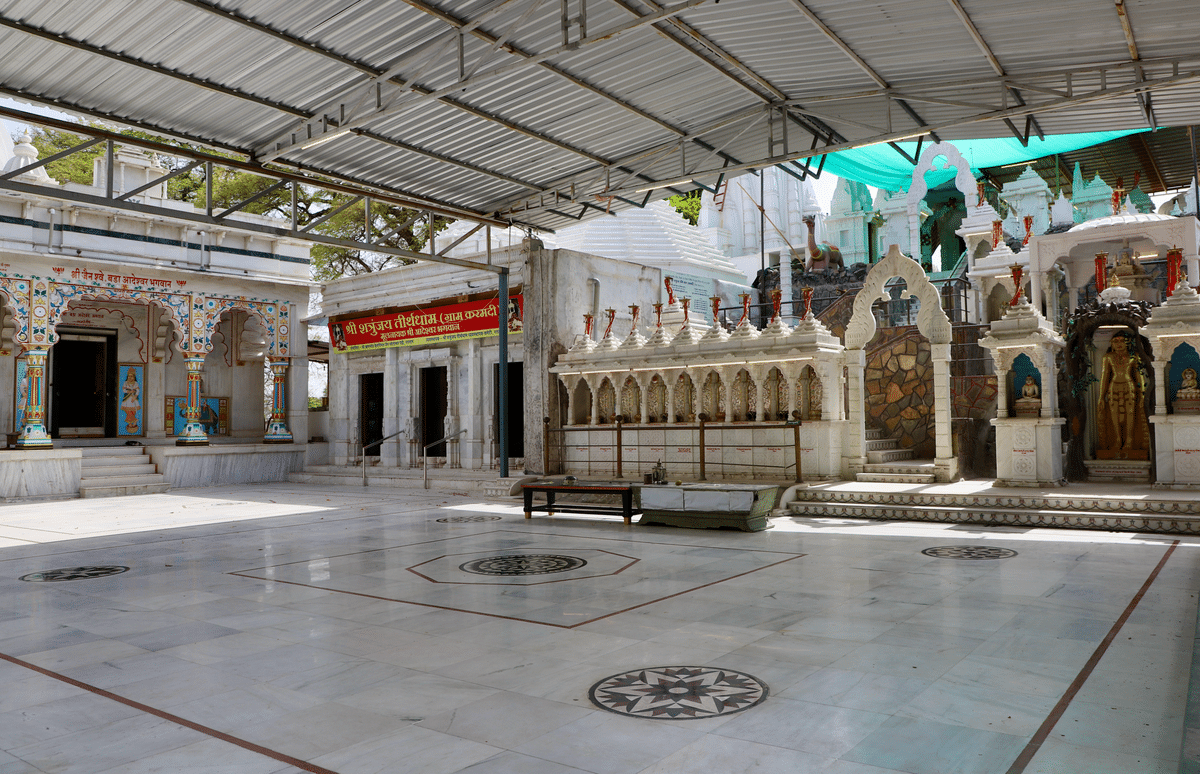
Historically, Ratlam was founded in 1652 by Raja Ratan Singh Rathore and was originally a princely state. The city played a significant role during the Maratha and British periods, functioning as a commercial hub for trade in cotton, grains, and spices. The city’s history is reflected in its architecture, with old forts and temples showcasing the grandeur of its past. Ratlam is also famous for its connection to the Jain community, with several ancient Jain temples, like the Bilpank Jain Temple, attracting devotees and tourists alike.
Geographically, Ratlam is located on the Malwa Plateau, with its terrain featuring undulating hills and fertile plains, ideal for agriculture. The climate in Ratlam is typically tropical, with hot summers where temperatures can soar up to 42°C (108°F), while winters are cooler, with temperatures dropping to around 10°C (50°F). The monsoon season, from June to September, brings moderate to heavy rainfall, which is crucial for the city’s agricultural output. The Mahi River, flowing nearby, adds to the region’s agricultural productivity, supporting the cultivation of crops like soybeans, wheat, and maize.
Culturally, Ratlam is a vibrant city that comes alive during its festivals and fairs. The city is known for its celebration of Diwali and Holi, where the streets are filled with lights, colors, and festive markets. Additionally, Ratlam is famous for its street food, particularly the Ratlami Sev, a spicy, crunchy snack that has become synonymous with the city’s culinary identity. The bustling markets of Ratlam, like New Road and Bohra Bazaar, are filled with shops selling everything from textiles and jewelry to spices and local snacks, giving the city a lively and dynamic atmosphere.
The human resources of Ratlam are diverse, with a population engaged in various sectors such as agriculture, trade, manufacturing, and services. The literacy rate in Ratlam is around 82%, which is above the national average, thanks to the city’s educational institutions. Several schools and colleges provide education in various fields, including commerce, arts, and science, helping build a skilled workforce. Vocational training centers also support the local economy by offering courses in trades like tailoring, electrical work, and carpentry, catering to the needs of the city’s industries.
Economically, Ratlam is a well-rounded city with a mix of agriculture, trade, and manufacturing sectors driving its economy. The city is a major producer of agricultural goods, including soybeans, wheat, and lentils, which are exported to other parts of the country. Ratlam is also known for its small-scale industries, particularly those involved in textiles, jewelry making, and food processing. The Ratlami Sev industry, in particular, is a significant contributor, with many local businesses manufacturing and distributing this popular snack across India. The average household income in Ratlam is around 250,000 INR per year (approximately $3,000 USD), reflecting a modest but stable economic environment supported by a blend of agriculture, trade, and small industries.
Transportation in Ratlam is one of its strongest assets. The city is a major railway junction in central India, connecting important routes between Mumbai, Delhi, Ahmedabad, and other parts of the country. Ratlam Junction is one of the busiest stations in Madhya Pradesh, handling numerous trains daily, which supports the movement of both passengers and goods. The city’s road network is also well-developed, with National Highway 79 passing through, connecting it to nearby cities like Ujjain and Indore. Local transportation includes buses, auto-rickshaws, and cycle-rickshaws, making it easy for residents and visitors to navigate the city.
Environmentally, Ratlam faces challenges typical of rapidly growing cities, such as managing pollution and maintaining green spaces. However, the local government has initiated several programs to enhance the city’s environmental health, including tree-planting drives and efforts to clean and maintain public parks. Ratlam’s lakes, such as Dholawad Dam Lake, serve as important recreational spots for residents and are focal points for local environmental conservation efforts. These initiatives aim to balance the city’s development with a focus on sustainability and quality of life.
Ratlam is a city that seamlessly blends its historical roots with modern growth. It offers the charm of traditional marketplaces and culinary delights, alongside the convenience of modern transportation and a growing economy. Whether exploring its bustling markets, visiting ancient temples, or enjoying its famous street food, Ratlam provides an authentic and vibrant experience that captures the spirit of central India.
Leave a Reply