

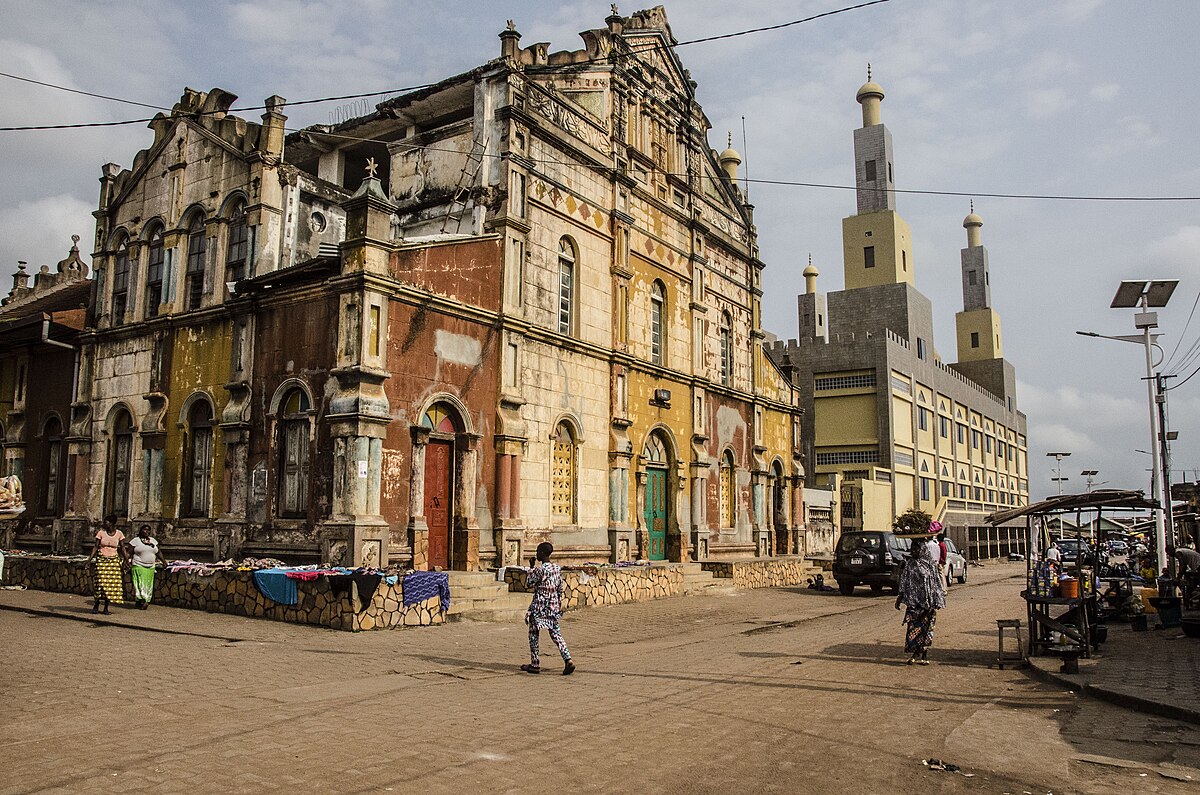
| Country | Benin |
| Population | 264320 |
| Area | 110 km2 (40 sq mi) |
| Time Zone | UTC+01:00 (West Africa Time) |
| Coordinates | 6.497222222222223, 2.605 |
| Highest elevation | 38 m (125 ft) |
City Gallery




City Description
Porto-Novo, the official capital of Benin, is a city that blends colonial charm, rich history, and local traditions, making it a fascinating spot in West Africa. Located in the southeastern part of the country, near the Nigerian border and the coast of the Gulf of Guinea, Porto-Novo is Benin’s second-largest city, with a population of around 300,000 as of 2023. Despite Cotonou being the economic powerhouse and de facto capital, Porto-Novo holds its place as the political and administrative heart of the nation. Its blend of French colonial architecture, Afro-Brazilian heritage, and vibrant markets offers a unique experience that reflects Benin’s diverse cultural tapestry.
Porto-Novo’s history dates back centuries, originally as a small Yoruba settlement. It rose to prominence during the 17th century when the Portuguese established a trading post here, making it a center for the Atlantic slave trade. The city’s name, which means “New Port” in Portuguese, reflects this colonial past. Over time, Porto-Novo became a thriving hub for trade, especially as it grew under the influence of the Oyo Empire, one of the major pre-colonial states in West Africa. In the 19th century, the city also saw an influx of Afro-Brazilian returnees, known as *Agudas*, who brought their customs, architecture, and religion with them, leaving a lasting impact on the city’s culture and landscape. Today, you can still see the blend of Portuguese and Afro-Brazilian styles in Porto-Novo’s historic buildings, like the da Silva Museum, which showcases the life of the Afro-Brazilian community.
Geographically, Porto-Novo is situated on a lagoon, which connects to the Atlantic Ocean, giving the city a strategic coastal position. This location not only made it an important port during the colonial era but also influences the city’s environment and climate. The city enjoys a tropical savanna climate, with distinct wet and dry seasons. The wet season runs from April to October, bringing heavy rains and lush vegetation, while the dry season from November to March is hot, with temperatures often soaring above 30 degrees Celsius (86 degrees Fahrenheit). The lagoon and surrounding wetlands are not just scenic but also vital for fishing, an important activity for the local communities.
The culture of Porto-Novo is a dynamic mix of Yoruba, Afro-Brazilian, and French colonial influences. The city is known for its vibrant markets, such as the Ouando Market, where locals sell everything from fresh produce and spices to traditional fabrics and crafts. Music and dance are also integral to life in Porto-Novo. The city is famous for its *Gelede* festival, a Yoruba celebration that involves elaborate masks and dances to honor the wisdom of women and ancestors. This event, recognized by UNESCO as an Intangible Cultural Heritage, showcases the deep-rooted Yoruba traditions that remain strong in Porto-Novo. Additionally, the influence of *Aguda* culture is evident in the city’s annual Vodun festival, which celebrates the local religion with ceremonies, music, and colorful parades.
Porto-Novo is also a city of museums and heritage sites. The Honmé Museum, once the royal palace of the King of Porto-Novo, offers a glimpse into the city’s regal past, showcasing artifacts and history related to the traditional monarchy. The da Silva Museum, another significant site, tells the story of the Afro-Brazilian community’s contributions to the city’s culture and architecture. These museums, along with the city’s colonial buildings and traditional Yoruba compounds, highlight Porto-Novo’s rich history and make it a cultural hub for visitors interested in West African heritage.
Economically, Porto-Novo is not as dominant as Cotonou, but it still plays a crucial role as an administrative and agricultural center. The city’s economy is diverse, encompassing government services, small-scale manufacturing, and agriculture. Government jobs are significant here, as Porto-Novo houses the country’s National Assembly and various ministries. This concentration of administrative functions provides employment opportunities and supports local businesses, such as hotels, restaurants, and shops, that cater to civil servants and visitors.
Agriculture and fishing are also vital to Porto-Novo’s economy. The fertile lands around the city and the lagoon support the cultivation of crops like maize, cassava, yams, and palm oil. Small-scale farmers bring their produce to local markets, contributing to the city’s lively trade environment. Fishing in the lagoon provides both food and income for many families, with fresh fish and seafood being staples in the local diet. Additionally, the city is known for its production of *akassa* (fermented corn dough), a popular dish that is widely sold in markets and street stalls.
Tourism is another growing sector in Porto-Novo, thanks to its rich cultural heritage and historical sites. While the city does not attract as many tourists as Cotonou or Ouidah, it has been gaining recognition as a destination for those interested in exploring the roots of West African culture. The city’s museums, traditional festivals, and historic architecture draw visitors looking for a more authentic experience. The government has been investing in preserving and promoting Porto-Novo’s cultural sites, with efforts to develop tourism infrastructure and improve visitor facilities. The annual Vodun festival, in particular, attracts tourists who want to experience the vibrant religious and cultural traditions of Benin firsthand.
Human resources in Porto-Novo are shaped by its role as an administrative center and its emphasis on education. The city is home to the University of Porto-Novo, which offers programs in arts, humanities, and social sciences, contributing to the development of a skilled workforce that supports the city’s administrative and cultural sectors. Additionally, several technical and vocational schools provide training in agriculture, trades, and business, ensuring that young people have the skills needed for local industries. The presence of these institutions contributes to the city’s intellectual and cultural vibrancy, as students and educators participate in local events and engage with the community.
Real estate in Porto-Novo varies, with a mix of colonial-era houses, Afro-Brazilian style buildings, and modern developments. In the city center, you’ll find historic streets lined with colorful, ornate buildings that reflect the city’s Portuguese and Afro-Brazilian heritage. Many of these old houses have been converted into museums, guesthouses, or restaurants, adding to the city’s cultural atmosphere. Newer neighborhoods on the outskirts offer more modern housing options, catering to government employees and middle-class families. The cost of living and property prices in Porto-Novo remain lower compared to Cotonou, making it an attractive option for those seeking a quieter, more affordable lifestyle while still being close to the economic hub.
Transportation in Porto-Novo is relatively well-developed, with road networks connecting it to other major cities in Benin. The city’s proximity to Cotonou, just a 30-minute drive away, makes it easy for residents to commute for work or leisure. Public transportation within the city includes *zemidjans* (motorbike taxis), which are a popular and affordable way to get around. Plans are underway to improve and expand the city’s road infrastructure, including better links to neighboring Nigeria, which would enhance trade and mobility. While Porto-Novo does not have an airport, it is conveniently close to Cotonou Cadjehoun Airport, which offers flights to regional and international destinations.
Green spaces and outdoor activities are integral to life in Porto-Novo. The city’s coastal and lagoon areas provide opportunities for fishing, boating, and picnicking along the water. The nearby Lake Nokoué offers scenic views and bird-watching, attracting nature lovers and ecotourists. The city’s parks and gardens, such as the Jardin Place Jean Bayol, provide locals with spaces to relax, enjoy local food, or participate in traditional drumming sessions. These green areas are important for community life, serving as gathering spots for social and cultural events.
Despite its cultural and administrative significance, Porto-Novo faces challenges, particularly in economic development and infrastructure modernization. The city’s dependence on agriculture and government services limits its economic growth, and there are efforts to diversify the economy by encouraging tourism and small businesses. Investment in infrastructure is also crucial, as the city works to upgrade its roads, water systems, and public facilities to accommodate growth and improve living standards. Environmental sustainability is another focus, with initiatives aimed at protecting the city’s wetlands and promoting eco-friendly practices in agriculture and fishing.
Porto-Novo is a city that holds onto its heritage while embracing the future. Its rich cultural scene, historical depth, and relaxed coastal atmosphere make it a unique destination in Benin. Whether you’re exploring the colonial streets, visiting the museums that tell the stories of the *Aguda* and Yoruba communities, or experiencing a traditional Vodun ceremony, Porto-Novo offers an immersive look into the diverse cultural fabric of West Africa. It’s a place where history and tradition blend seamlessly with the rhythms of modern life, providing a distinct and authentic experience for anyone who visits.
Leave a Reply