

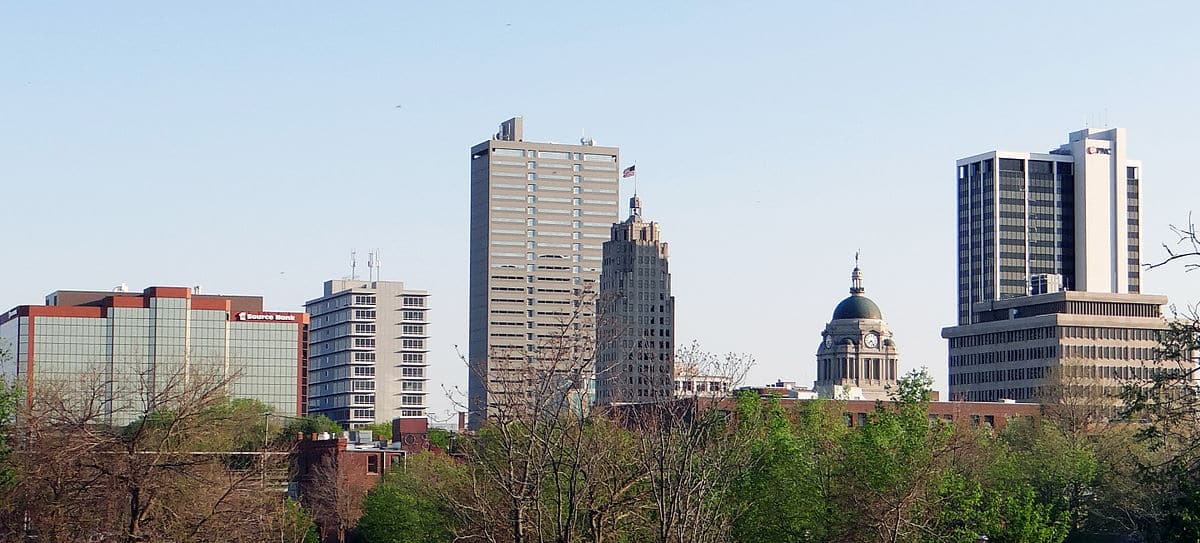
| Country | United States |
| Population | 265974 |
| Area | 110.79 sq mi (286.95 km2) |
| Time Zone | UTC−05:00 (EST) |
| Coordinates | 41.08888888888889, -85.1613888888889 |
| Highest elevation | 758 ft (231 m) |
City Gallery




City Description
Fort Wayne, located in northeastern Indiana, is a city that combines a rich industrial history with a thriving modern economy and a welcoming community vibe. With a population of around 270,000 as of 2023, it’s the second-largest city in Indiana, following Indianapolis. Known as the “Summit City” for its position at the highest point of the old Wabash and Erie Canal, Fort Wayne offers a mix of historic charm, green spaces, and contemporary amenities that make it a dynamic place to live and visit.
Fort Wayne’s history dates back to the late 18th century when it was founded as a military fort by General “Mad” Anthony Wayne during the Northwest Indian War in 1794. The area had long been a strategic meeting place for Native American tribes and French traders due to its location at the confluence of three rivers: the St. Joseph, St. Marys, and Maumee. The fort was built to secure the American frontier, and it eventually developed into a trading post and settlement. The arrival of the Wabash and Erie Canal in the 19th century transformed Fort Wayne into an economic hub, facilitating transportation and trade that contributed to its rapid growth. The city became a major industrial center, especially in manufacturing, and played a significant role during the automotive boom of the 20th century. Today, the historic fort is commemorated with the Old Fort, a reconstruction that hosts events and reenactments showcasing the city’s early history.
Geographically, Fort Wayne is located in the heart of the Midwest, surrounded by fertile farmland and crisscrossed by the three rivers that give the city its distinctive layout. The rivers not only provide scenic beauty but also support numerous parks and recreational areas, such as Headwaters Park, which is popular for festivals and outdoor events. The city experiences a humid continental climate, with cold winters where temperatures often drop below freezing and warm, humid summers that average around 30 degrees Celsius (86 degrees Fahrenheit). The seasonal changes give the city a vibrant natural landscape, with spring blooms, lush green summers, colorful autumn foliage, and snowy winters.
Fort Wayne’s culture is a blend of traditional Midwestern values, historical pride, and modern urban flair. The city has a strong sense of community, with residents participating in local events, supporting local businesses, and engaging in volunteer activities. The cultural scene is diverse, with a range of museums, theaters, and music venues that cater to different interests. The Fort Wayne Museum of Art, for example, features an impressive collection of American art, while the History Center offers a deep dive into the city’s past, including exhibits on its Native American heritage, pioneer days, and industrial development.
One of the city’s cultural highlights is the Embassy Theatre, a historic 1920s venue that hosts concerts, Broadway shows, and classic films. The theater, restored to its original grandeur, is a cornerstone of Fort Wayne’s downtown arts district, providing a venue for both local and national performers. The city is also home to the Fort Wayne Philharmonic, which offers a range of classical and contemporary performances throughout the year, contributing to the city’s reputation as a regional cultural hub.
Festivals and events are a major part of life in Fort Wayne. The Three Rivers Festival, one of Indiana’s largest festivals, takes place every July and celebrates the city’s heritage and community spirit with parades, concerts, food vendors, and family-friendly activities. The city also hosts Germanfest, reflecting its significant German heritage with traditional food, music, and beer gardens. In the winter, the Night of Lights kicks off the holiday season with a lighting ceremony that draws crowds to the downtown area for festivities and shopping.
The economy of Fort Wayne has evolved significantly over the years. Once heavily reliant on manufacturing, the city has diversified into various sectors, including healthcare, education, logistics, and defense. The presence of companies like General Motors, which operates a large assembly plant, highlights the city’s continued importance in the manufacturing sector. However, healthcare has become a dominant force in the local economy, with Parkview Health and Lutheran Health Network being two of the city’s largest employers. The expansion of these healthcare systems has created thousands of jobs and stimulated related industries, making Fort Wayne a healthcare hub in the region.
Logistics and distribution also play a significant role in the city’s economy, thanks to its central location and extensive transportation network. The city’s proximity to major highways like I-69 and I-469, as well as its access to railroads and Fort Wayne International Airport, makes it a strategic location for companies involved in distribution and transportation. The airport, known for its ease of use and connections to major hubs like Chicago and Dallas, supports both passenger and cargo traffic, further enhancing the city’s logistical advantages.
Education is another pillar of Fort Wayne’s economy and community life. The city is home to several higher education institutions, including Purdue University Fort Wayne (PFW), Indiana Tech, and Ivy Tech Community College. These institutions provide a range of programs in fields like engineering, business, healthcare, and information technology, contributing to the development of a skilled workforce that supports local industries. PFW, in particular, plays a significant role in the community by offering research opportunities, cultural events, and sports programs that engage residents and students alike.
Tourism also contributes to Fort Wayne’s economy, with the city drawing visitors for its events, cultural attractions, and family-friendly amenities. The Fort Wayne Children’s Zoo, one of the top-ranked zoos in the country, attracts over half a million visitors each year and is a favorite destination for families. The city’s parks system, which includes over 80 parks and numerous trails along the riverfront, provides recreational opportunities for both locals and tourists, promoting outdoor activities like biking, kayaking, and fishing. The city’s downtown area has seen significant revitalization, with projects like Promenade Park transforming the riverfront into a lively destination featuring walking paths, boat rentals, and green spaces that host events and concerts.
The human resources of Fort Wayne are supported by its strong educational base and focus on workforce development. The presence of multiple colleges and vocational training centers ensures that the city has a pipeline of talent in various fields, particularly healthcare, engineering, and manufacturing. Initiatives like the Northeast Indiana Regional Partnership work to attract businesses and talent to the area, promoting the region’s economic opportunities and quality of life. The city’s commitment to education is further highlighted by the Fort Wayne Community Schools district, one of the largest in Indiana, which serves thousands of students and provides a range of programs aimed at preparing young people for the workforce or higher education.
Real estate in Fort Wayne is diverse, offering options that range from historic homes in neighborhoods like West Central, known for its Victorian architecture, to modern apartments and suburban developments. The city’s affordability is one of its key attractions, with the cost of living being significantly lower than in larger metropolitan areas like Indianapolis or Chicago. This affordability makes Fort Wayne an attractive option for young professionals, families, and retirees alike, contributing to the city’s steady population growth. The downtown area has seen a resurgence in recent years, with new residential developments, restaurants, and shops adding to its appeal as a vibrant urban center.
Transportation in Fort Wayne is well-developed, with a network of roads and public transit options that make it easy to navigate. The city’s public bus system, operated by Citilink, provides routes throughout the city and surrounding suburbs. The extensive road network includes major highways like I-69, which connects Fort Wayne to Indianapolis, and I-469, a bypass that facilitates movement around the city. The Fort Wayne International Airport, located just southwest of the city, offers flights to major destinations and is known for its convenience and friendly service.
Green spaces are abundant in Fort Wayne, enhancing its reputation as a city that values outdoor recreation and community well-being. The city’s extensive parks system includes popular spots like Foster Park, which features walking trails, gardens, and sports facilities. Promenade Park, a newer addition, is a prime example of the city’s efforts to enhance its riverfront and provide residents with spaces for leisure and social activities. The park connects to the city’s network of trails, including the Rivergreenway, a 25-mile path that follows the city’s rivers, offering opportunities for biking, running, and enjoying the scenic waterfront.
Despite its many strengths, Fort Wayne faces challenges common to mid-sized cities, such as balancing growth with infrastructure needs and managing economic transitions as industries evolve. The local government has focused on revitalizing the downtown area, improving transportation, and attracting businesses that align with the city’s strengths in healthcare, logistics, and technology. Environmental sustainability is also a growing focus, with initiatives aimed at improving water quality in the rivers and expanding green spaces to support the city’s active lifestyle.
Fort Wayne is a city that seamlessly blends its historical roots with modern development. Its affordable cost of living, diverse economy, and strong sense of community make it an appealing place for residents and a dynamic destination for visitors. Whether you’re exploring its historic sites, enjoying the many parks and outdoor activities, or taking part in its lively festivals, Fort Wayne offers a multifaceted experience that showcases the best of the Midwest.
Leave a Reply