


| Country | Ethiopia |
| Population | 525475 |
| Area | None |
| Time Zone | UTC+3 (EAT) |
| Coordinates | 13.496944444444443, 39.47694444444445 |
| Highest elevation | 2,254 m (7,395 ft) |
City Gallery





City Description
Mekele, the capital of Ethiopia’s Tigray region, is a city that merges ancient history, modern development, and vibrant culture. With a population of over 400,000 as of 2023, Mekele is a bustling urban center that serves as the economic, cultural, and political hub of northern Ethiopia. Known for its stunning landscapes, deep historical roots, and rapid modernization, the city offers a unique blend of the old and new, providing a compelling experience for both residents and visitors.
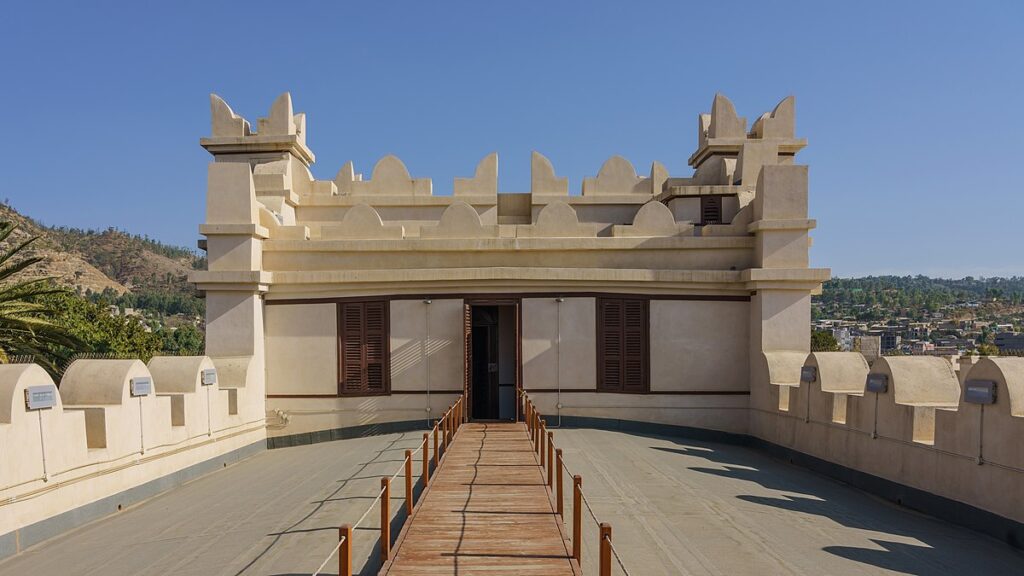
Mekele’s history is long and storied, tracing its roots back to the 19th century when it became the seat of Emperor Yohannes IV, one of Ethiopia’s most notable leaders. Emperor Yohannes made Mekele the capital of his empire, establishing it as a significant political and military center. He built his palace, now known as the Yohannes IV Museum, in the city, and it remains one of Mekele’s most prominent historical landmarks. The city has played an important role in Ethiopian politics and history ever since, particularly during the struggles against Italian colonialism in the early 20th century and in recent years during periods of conflict and rebuilding. Today, Mekele’s historical legacy is visible in its architecture, monuments, and cultural heritage sites, making it a city with a deep sense of identity and pride.
Geographically, Mekele is located in the northern highlands of Ethiopia, at an elevation of around 2,200 meters above sea level. This altitude gives the city a mild and temperate climate, with average temperatures ranging between 15 and 25 degrees Celsius. The landscape around Mekele is rugged and mountainous, characteristic of the Tigray region, which is known for its dramatic cliffs, plateaus, and valleys. This terrain provides a picturesque backdrop for the city and offers numerous opportunities for hiking and outdoor exploration. The city’s dry climate and highland geography also make it one of Ethiopia’s cooler and more comfortable urban centers, especially compared to the hotter, lowland regions of the country.
Mekele’s culture is a vibrant blend of Tigrayan traditions, religious heritage, and contemporary influences. The city is a stronghold of the Tigrayan people, one of Ethiopia’s major ethnic groups, and this is reflected in its language, customs, and festivals. The local language, Tigrinya, is widely spoken, and the city is a hub for Tigrayan music, art, and literature. One of the most important cultural events in Mekele is the *Meskel* festival, celebrated in September. This religious celebration, which marks the finding of the True Cross by Queen Helena, is a major event across Ethiopia, but in Mekele, it takes on a special significance with large processions, bonfires, and traditional music and dance.
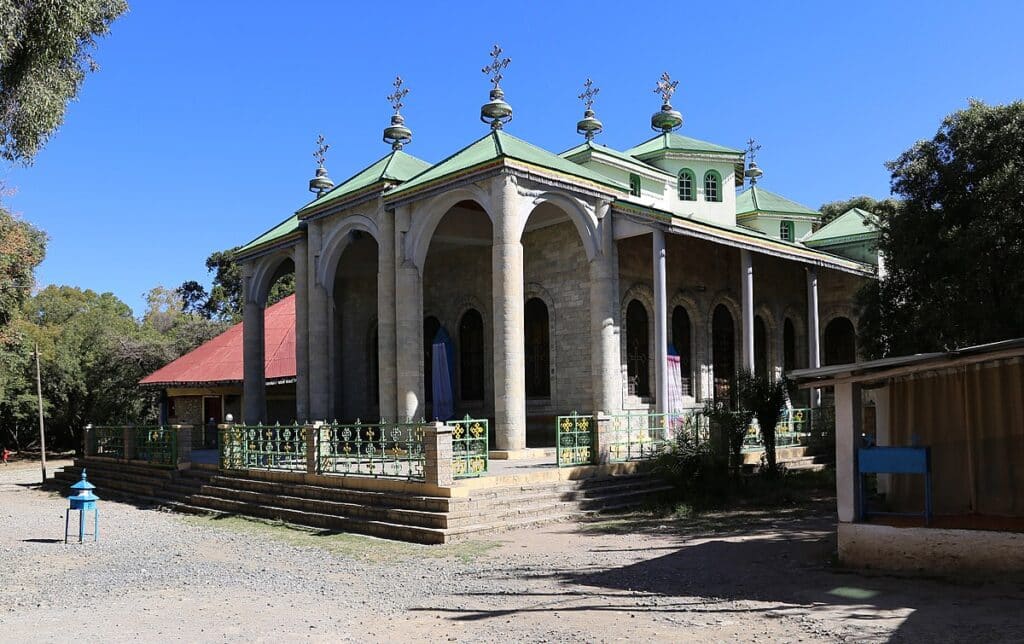
Another notable aspect of Mekele’s culture is its religious heritage. The city and its surrounding areas are home to some of Ethiopia’s oldest churches, many of which are carved into the cliffs and mountains of the region. These rock-hewn churches, such as those found in the Gheralta Mountains, attract both pilgrims and tourists, offering a glimpse into the region’s ancient Christian traditions. The proximity of these churches makes Mekele a gateway for religious and historical tourism, with many visitors using the city as a base to explore these extraordinary sites.
Mekele’s economy is diverse, with growth fueled by manufacturing, trade, agriculture, and services. The city has become an industrial hub for northern Ethiopia, hosting several factories that produce textiles, cement, and food products. The government’s emphasis on industrialization has led to the development of the Mekelle Industrial Park, which focuses on light manufacturing, creating thousands of jobs and boosting the local economy. The park, along with other industrial initiatives, reflects the city’s role in Ethiopia’s broader economic growth strategy, aimed at transforming the country into a manufacturing powerhouse.
Agriculture also remains an essential part of Mekele’s economy, although the city itself is more urbanized than its surrounding areas. The fertile lands around Mekele support the cultivation of crops such as barley, wheat, and teff, which is a staple grain in Ethiopian cuisine. Livestock farming is also prevalent, with cattle, goats, and sheep contributing to the local economy. The city’s markets are vibrant centers of commerce where these agricultural products are traded, and they also serve as distribution hubs for goods being transported to other parts of the country.
The city’s human resources are shaped by its educational institutions and growing economy. Mekele is home to Mekelle University, one of Ethiopia’s leading universities, which offers a wide range of programs in fields like engineering, business, health sciences, and agriculture. The university attracts students from all over Ethiopia and plays a critical role in developing the skilled workforce needed to support the city’s industries and services. In addition to the university, vocational schools and training centers provide technical education in areas such as construction, mechanics, and hospitality, ensuring that Mekele has a diverse and adaptable labor force.
Tourism is an emerging sector in Mekele’s economy, driven by its historical sites, cultural heritage, and natural beauty. The Yohannes IV Museum, housed in the former palace of Emperor Yohannes IV, is one of the city’s main attractions, offering visitors a glimpse into Ethiopia’s imperial past. The museum’s collection includes artifacts, documents, and relics from the emperor’s reign, making it a must-see for history enthusiasts. The city’s proximity to the Gheralta Mountains, with their rock-hewn churches and stunning landscapes, also makes Mekele a popular destination for tourists seeking adventure and spiritual exploration.
Mekele’s food scene is another highlight for visitors and locals alike. Traditional Tigrayan cuisine is central to the city’s culinary identity, with dishes like *shiro* (a chickpea stew), *injera* (a sourdough flatbread), and *tibs* (stir-fried meat) being staples. The city’s markets are filled with fresh produce, spices, and local delicacies, creating a lively and aromatic environment where people gather to shop and socialize. Coffee culture is also strong in Mekele, as it is throughout Ethiopia, with traditional coffee ceremonies being a common sight in cafes and homes. This ritual, which involves roasting coffee beans, brewing the coffee, and serving it in small cups, is an important social activity that brings people together.
Real estate in Mekele has been developing rapidly, driven by the city’s expanding economy and growing population. In recent years, new housing developments, apartment buildings, and commercial properties have emerged, particularly in areas close to the city center and around Mekelle University. The city’s average property prices remain relatively affordable compared to Addis Ababa, making it an attractive location for those looking to invest in northern Ethiopia. As Mekele continues to grow, urban planning efforts are focused on improving infrastructure and expanding residential areas to accommodate its increasing population while maintaining the city’s character and livability.
Transportation in Mekele is well-developed, reflecting its role as a regional hub. The city is connected to other parts of Ethiopia by a network of highways, with buses and minibuses serving as the primary mode of transportation for residents and travelers. Alula Aba Nega Airport, located just outside the city, provides regular flights to Addis Ababa and other major Ethiopian cities, ensuring that Mekele remains connected to the rest of the country. Within the city, public buses, minibuses, and taxis are widely used, offering convenient and affordable options for commuting.
Green spaces and parks in Mekele are becoming more prominent as the city develops. The local government has invested in creating parks and recreational areas where residents can relax and enjoy outdoor activities. These spaces provide a much-needed respite from the bustling city life and contribute to the overall quality of life for Mekele’s residents. Additionally, the surrounding mountains and valleys offer opportunities for hiking and exploring, making the city an attractive destination for nature lovers.
Despite its strengths, Mekele faces challenges, particularly related to infrastructure and economic development. As the city grows, the demand for better roads, water supply, and electricity increases, requiring continued investment and planning. The local government is working to address these issues, with projects aimed at improving urban infrastructure and expanding public services to meet the needs of its residents. Political and social stability is another focus, as the city has experienced periods of conflict that have impacted its development. Efforts to promote peace and rebuild the city’s economy are ongoing, with support from both the government and international organizations.
Mekele is a city that embodies the resilience and dynamism of northern Ethiopia. Its historical landmarks, cultural vibrancy, and rapid modernization make it a fascinating place for both residents and visitors. Whether you’re exploring the ancient churches carved into cliffs, savoring a traditional coffee ceremony, or learning about the legacy of Emperor Yohannes IV, Mekele offers a rich and multifaceted experience that captures the essence of Ethiopian culture and history.
Leave a Reply