

| Country | United Kingdom |
| Population | 0161 |
| Area | 8.1 sq mi (21 km2) |
| Time Zone | None |
| Coordinates | 53.483, -2.2931 |
| Highest elevation | None |
City Gallery




City Description
Salford, located in Greater Manchester in the northwest of England, is a city rich in history, culture, and modern development. With a population of around 260,000 as of 2023, Salford is a dynamic urban area that balances its industrial heritage with contemporary growth, making it an integral part of the broader Manchester metropolitan region. Known for its historical landmarks, waterfront developments, and thriving media industry, Salford is a city that showcases both the past and the future of northern England.
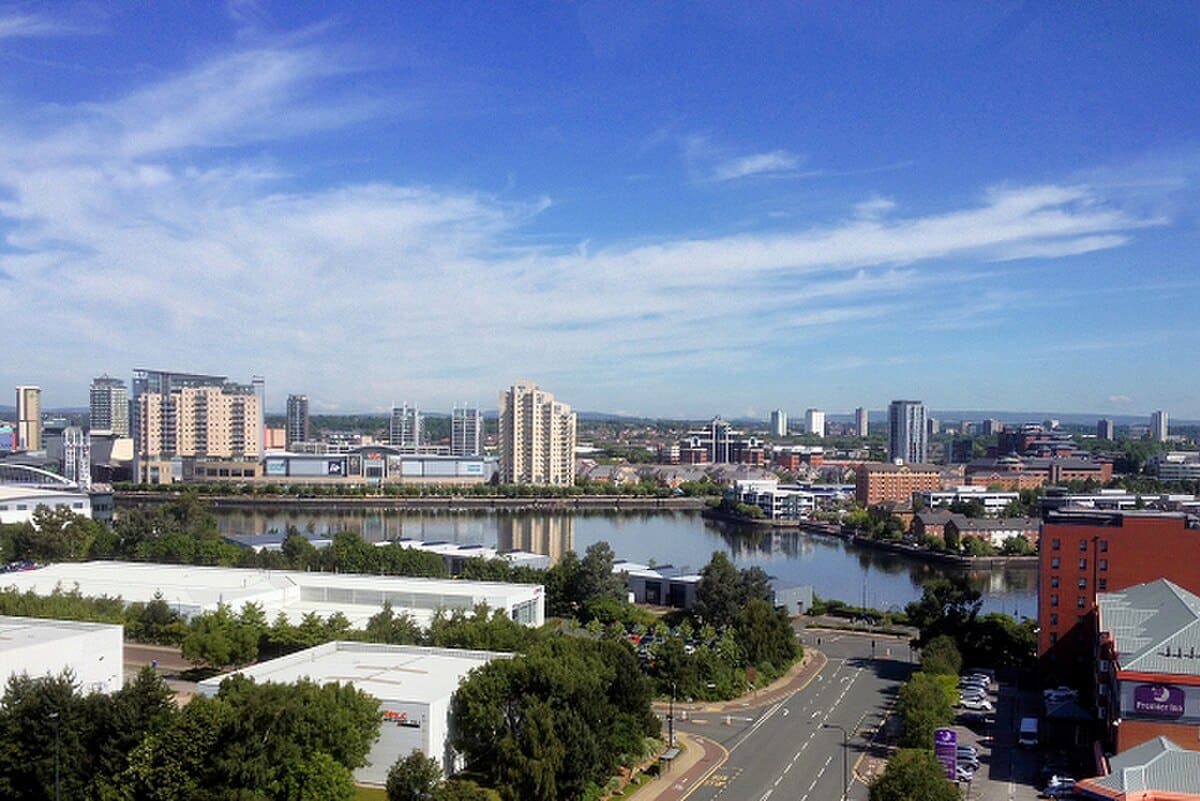
Salford’s history is deeply tied to the Industrial Revolution. It was one of the first cities to experience rapid industrial growth, transforming from a small town into a major hub for textile manufacturing and other industries in the 18th and 19th centuries. The city’s location along the River Irwell and the construction of the Manchester Ship Canal in 1894 made it an important port, facilitating trade and commerce. However, like many industrial cities in the UK, Salford faced economic decline in the mid-20th century as traditional industries faded. The city has since undergone significant regeneration, particularly around the Salford Quays area, where old docks have been transformed into a vibrant waterfront community with cultural attractions, media hubs, and residential developments.
Geographically, Salford is situated just west of Manchester city center, forming part of the Greater Manchester urban area. The River Irwell runs through the city, providing both historical and modern connections between Salford and Manchester. The landscape of Salford is a mix of urban areas, waterfront developments, and green spaces, with historic neighborhoods like Ordsall alongside newly developed zones such as MediaCityUK. The climate is typical of the northwest of England, with mild summers averaging around 18 to 22 degrees Celsius and cool, wet winters where temperatures hover around 5 degrees. Rain is frequent throughout the year, contributing to the city’s lush green parks and gardens.
Culturally, Salford has a lot to offer, reflecting its diverse population and rich artistic heritage. The city is home to the Salford Museum and Art Gallery, which features collections highlighting local history and art, including works by L.S. Lowry, the renowned artist known for his depictions of industrial Salford. The nearby Lowry Theatre, situated in the Salford Quays area, is one of the city’s most iconic cultural landmarks. Named after the artist, the venue hosts a wide range of performances, from theater and dance to comedy and concerts, making it a cultural hub for both Salford and Manchester.
Salford’s diversity is also seen in its neighborhoods, with communities from different backgrounds living side by side. Areas like Broughton and Langworthy have significant Jewish and South Asian populations, contributing to the city’s multicultural atmosphere. This diversity is reflected in the local food scene, where you can find everything from traditional British pubs to South Asian curry houses and kosher delis. Salford’s street markets, such as the Salford Precinct Market, offer a variety of goods, including fresh produce, crafts, and international foods, serving as vibrant community spaces where locals gather.
The city’s economy has transformed significantly over the past few decades. While it was once dominated by heavy industry, Salford’s economy is now diversified, with a strong focus on media, education, and services. The development of MediaCityUK, a major media hub on the Salford Quays, has been a game-changer for the city. MediaCityUK is home to the BBC, ITV, and several other creative and digital companies, employing thousands of people and boosting the local economy. This area has become a center for innovation and creativity, attracting professionals and students in the media and technology sectors.
Education also plays a vital role in Salford’s economy, thanks in large part to the University of Salford. The university, which has over 20,000 students, is a key contributor to the city’s workforce and economy. It offers a wide range of programs, including engineering, business, media, and health sciences, aligning closely with the needs of local industries. The university’s proximity to MediaCityUK has led to strong partnerships, with students often gaining practical experience through placements and collaborations with media companies. The campus itself is a hub of activity, contributing to the city’s youthful and energetic atmosphere.
Healthcare and public services are significant employers in Salford, with Salford Royal NHS Foundation Trust being one of the largest employers in the area. The hospital is known for its specialization in neuroscience, rehabilitation, and complex care, attracting healthcare professionals and specialists from across the UK. The presence of such institutions ensures that Salford has a well-developed healthcare infrastructure, which is crucial for supporting its growing and diverse population.
Real estate in Salford has experienced a boom in recent years, driven by the city’s regeneration projects and proximity to Manchester. The Salford Quays area, once an industrial dockland, is now a desirable place to live, featuring modern apartments and townhouses overlooking the waterfront. The average price for an apartment in Salford is around £200,000, which is still relatively affordable compared to Manchester city center, making it an attractive option for young professionals, students, and families alike. The regeneration of neighborhoods like Ordsall and Chapel Street has also led to a mix of historic and new housing developments, reflecting the city’s blend of old and new.
Public infrastructure in Salford supports its growth and accessibility. The city is well-connected by public transport, including trams, buses, and trains that provide quick links to Manchester and other parts of Greater Manchester. The Metrolink tram system, with stops in MediaCityUK and across the city, is particularly popular for commuters and residents, making it easy to travel between Salford and central Manchester in just a few minutes. Salford’s road network also benefits from its location along the M602 and A6, providing convenient routes for cars and public transport alike.
Green spaces and recreational areas are an important part of life in Salford, offering residents and visitors places to unwind and connect with nature. Peel Park, one of the oldest public parks in the UK, is located next to the University of Salford and is a popular spot for students and families. The park has been revitalized in recent years, with walking paths, playgrounds, and spaces for outdoor events. Other green areas, such as Buile Hill Park and Clifton Country Park, provide further opportunities for hiking, picnicking, and enjoying the outdoors, enhancing the city’s livability. The River Irwell also features scenic walking and cycling paths, connecting different parts of the city and promoting an active lifestyle.
Tourism in Salford is growing, thanks to its cultural attractions, historical sites, and waterfront developments. The Lowry, Imperial War Museum North, and the Ordsall Hall, a Tudor manor house, are among the city’s most visited attractions, drawing both locals and tourists interested in history and the arts. The redevelopment of Salford Quays into a modern leisure and entertainment district has added to the city’s appeal, with restaurants, shops, and bars that attract both residents and visitors from Manchester and beyond.
Despite its growth and regeneration, Salford faces challenges, particularly in addressing socioeconomic disparities that exist between different parts of the city. While areas like MediaCityUK and Salford Quays have seen significant investment, other neighborhoods still struggle with unemployment and access to affordable housing. The local government is working on initiatives to spread economic benefits more evenly, including housing projects and educational programs aimed at supporting residents in underdeveloped areas.
Salford is a city that embraces its industrial heritage while looking forward to a future shaped by media, culture, and innovation. Its transformation from a center of manufacturing to a hub for creativity and education highlights its resilience and adaptability. Whether you’re exploring the historic streets, enjoying the vibrant waterfront, or experiencing the buzz of MediaCityUK, Salford offers a dynamic and evolving urban experience that captures the spirit of Greater Manchester’s past and future.
Leave a Reply