

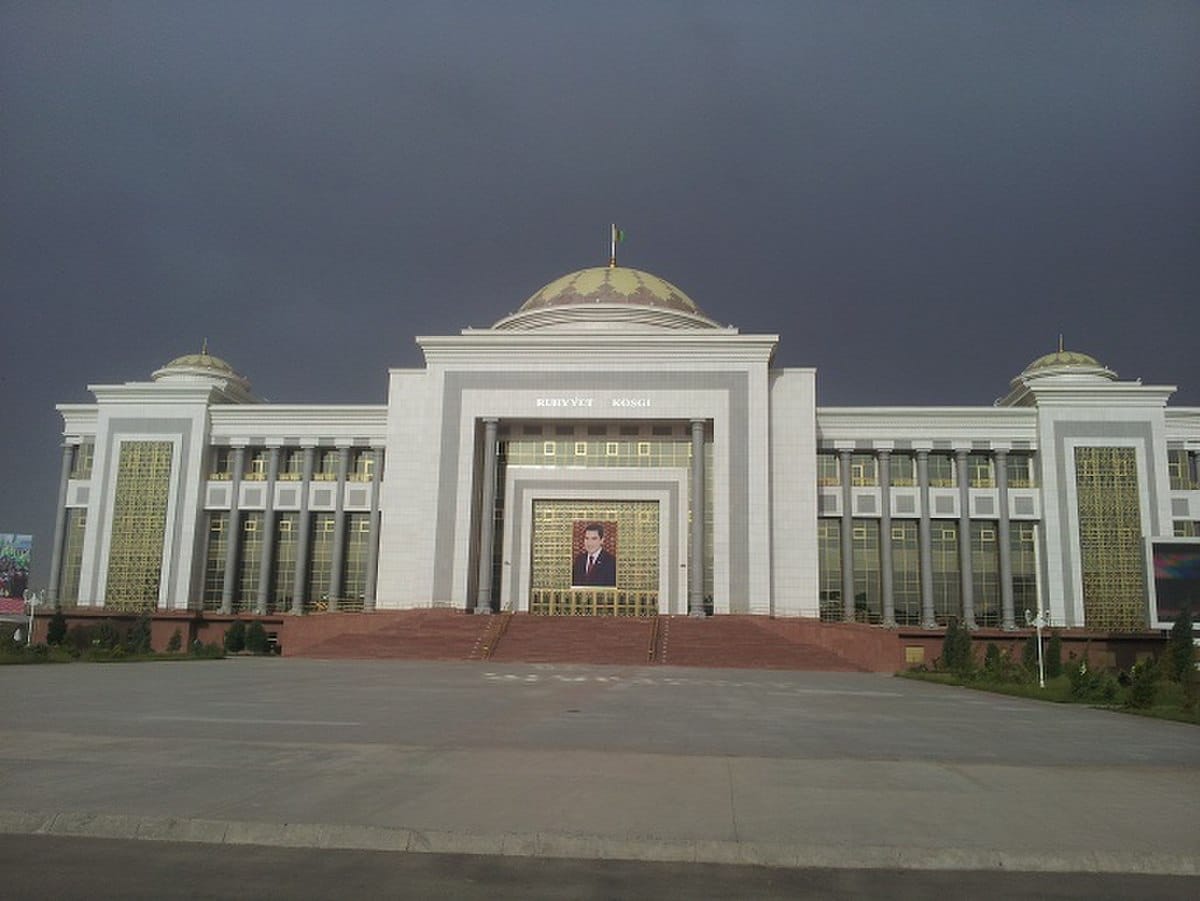
| Country | Turkmenistan |
| Population | 253000 |
| Area | None |
| Time Zone | UTC+5 |
| Coordinates | 39.083333333333336, 63.56666666666667 |
| Highest elevation | 187 m (614 ft) |
City Gallery




City Description
Türkmenabat, one of Turkmenistan’s largest and most dynamic cities, is a vibrant hub in the eastern part of the country. Located along the Amu Darya River and near the border with Uzbekistan, Türkmenabat serves as the capital of the Lebap Province and is a critical center for trade, industry, and culture. With a population of around 280,000 as of 2023, it is the second-largest city in Turkmenistan, following the capital, Ashgabat. The city’s strategic position and rich history make it a key player in the region’s economy and an essential part of the nation’s development.
The history of Türkmenabat stretches back over a thousand years, with its roots as an ancient Silk Road trading post known as Amul. This position made it an important stopover for caravans traveling between Central Asia and Persia. The city’s name was changed to Charjou (meaning “four channels”) during the Soviet era and remained so until the country gained independence in 1991 when it was renamed Türkmenabat, which translates to “city of Turkmen.” This change marked the city’s transformation into a modern urban center while retaining its historical significance. Today, remnants of its Silk Road heritage still influence the city’s identity, making it a blend of ancient trade culture and contemporary development.
Geographically, Türkmenabat is located on the western bank of the Amu Darya River, one of the longest rivers in Central Asia. This river has historically provided water and fertile soil for agriculture, helping the city develop as an important agricultural center. The surrounding landscape is predominantly flat, with the Karakum Desert to the west and the fertile river plains supporting farming to the east. The climate is arid and continental, with hot summers that often reach 40 degrees Celsius and cold winters where temperatures can drop below freezing. The extreme seasonal temperature variations are typical of desert environments, yet the river’s proximity helps mitigate the harsh conditions, allowing for green spaces and agriculture in the area.
Türkmenabat’s culture is a reflection of its diverse history and strategic location. The city has been a crossroads for various ethnic groups, including Turkmens, Uzbeks, Russians, and other Central Asian peoples, creating a multicultural environment. The influence of these communities is evident in the city’s architecture, markets, and daily life. Traditional Turkmen bazaars, such as the Türkmenabat Central Market, are bustling centers where traders sell everything from fresh produce and livestock to textiles and handicrafts. These markets are not only commercial hubs but also social spaces where residents gather, and they offer a glimpse into the traditional lifestyles that still persist in the city.
Festivals and cultural events are an integral part of life in Türkmenabat. The city celebrates national holidays like Novruz Bayram, marking the Persian New Year in spring, with festivities that include music, dance, and traditional food. Traditional Turkmen dress is often showcased during these celebrations, with women wearing bright, elaborately embroidered dresses and men donning traditional telpeks (sheepskin hats). Cultural centers and theaters in the city also host performances of Turkmen music and dance, preserving the country’s heritage while fostering a sense of community.
The economy of Türkmenabat is diverse, with agriculture, trade, and industry being the main pillars. The city’s location along the Amu Darya makes it a prime agricultural area, with cotton, wheat, and melons among the most important crops. Cotton, in particular, is a major product, and Türkmenabat plays a key role in Turkmenistan’s cotton industry, supporting local textile production and export. The city’s agricultural sector not only supplies the region but also connects to national and international markets, making it a critical economic driver.
In addition to agriculture, Türkmenabat has developed a strong industrial base. The city is home to several factories, including those producing chemicals, fertilizers, and building materials, which are vital to the region’s economy. The Lebap Garlyk mining complex, located nearby, is one of the largest potash fertilizer production facilities in Central Asia, highlighting the city’s role in the chemical industry. The processing and production facilities provide employment for thousands of residents, contributing to Türkmenabat’s position as an industrial powerhouse in eastern Turkmenistan.
The city’s role as a trading hub is supported by its proximity to the Uzbek border and its position along key transport routes. Türkmenabat is a critical stop on the Turkmen rail network, linking Ashgabat to the eastern and northern regions of the country, and it serves as a gateway for trade with Uzbekistan and beyond. The city’s transport infrastructure, including railways and roads, facilitates the movement of goods such as agricultural products, textiles, and industrial materials, making it a central point for commerce in the region.
Human resources in Türkmenabat are diverse, reflecting the city’s economic activities and its position as a regional hub. Many residents work in agriculture, trade, and the city’s industrial sector, while others are employed in public services, education, and healthcare. The city has several vocational schools and colleges that provide training in fields like agriculture, engineering, and business, supporting the local economy’s needs and offering opportunities for young people to develop skills that align with the city’s economic focus. Türkmenabat also has a growing healthcare sector, with hospitals and clinics providing services to residents and those in the surrounding rural areas.
The city’s real estate market has been evolving in response to its growth and development. Residential neighborhoods feature a mix of Soviet-era apartment buildings and newer developments that cater to middle-class families and professionals. The city’s expansion has led to the construction of modern housing complexes and commercial areas, particularly along the main roads leading into the city. The average price for housing remains relatively affordable compared to larger cities like Ashgabat, making Türkmenabat an attractive option for those looking for both economic opportunities and a lower cost of living.
Public infrastructure in Türkmenabat continues to develop, with projects aimed at improving transportation and public services. The city is served by the Türkmenabat International Airport, which connects it to other major cities in Turkmenistan and neighboring countries, supporting both business and tourism. The city’s bus network and taxis provide local transportation options, while the expansion of road networks and modernization of railway facilities are ongoing efforts to enhance connectivity and support economic growth.
Green spaces and recreational areas are important features of Türkmenabat’s urban landscape. The city boasts several parks and public gardens, such as the Amu Darya Park, where residents can enjoy the river’s scenic views and participate in outdoor activities like picnicking and jogging. These green areas are particularly valuable in a desert environment, offering a refreshing contrast to the surrounding arid landscape and contributing to the quality of life in the city. The city also has sports facilities and cultural centers that provide residents with opportunities for recreation and community engagement.
Tourism in Türkmenabat is developing, albeit at a modest pace, with visitors drawn to its historical sites and natural beauty. The city’s proximity to the ancient ruins of Amul and the nearby Koytendag Mountains offers opportunities for cultural and eco-tourism. The Koytendag area, in particular, is known for its limestone caves, deep canyons, and diverse wildlife, making it a destination for nature enthusiasts and hikers. Efforts to promote tourism are part of the local government’s strategy to diversify the economy and highlight the region’s cultural and natural attractions.
Despite its growth, Türkmenabat faces challenges common to rapidly developing cities in Central Asia. Water management is a critical issue, particularly in an arid region where agriculture depends heavily on irrigation from the Amu Darya. The city is investing in infrastructure to improve water distribution and reduce wastage, ensuring that both the urban population and the agricultural sector have reliable access. Additionally, urban development must balance the need for modernization with the preservation of historical sites and green spaces, a challenge that city planners are actively addressing.
Türkmenabat is a city of contrasts, where ancient Silk Road heritage meets modern industry and development. Its strategic location along the Amu Darya, coupled with its role as an agricultural and industrial hub, makes it a key player in Turkmenistan’s economy. From its bustling markets and vibrant festivals to its growing industries and scenic parks, Türkmenabat offers a dynamic experience that reflects the energy and diversity of eastern Turkmenistan. Whether you’re exploring its historic bazaars, enjoying the views along the river, or witnessing the city’s development firsthand, Türkmenabat showcases the rich cultural tapestry and economic potential of the region.
Leave a Reply