


| Country | South Korea |
| Population | 232921 |
| Area | 402.3 km2 (155.3 sq mi) |
| Time Zone | None |
| Coordinates | 34.85, 128.58333333333334 |
| Highest elevation | None |
City Gallery

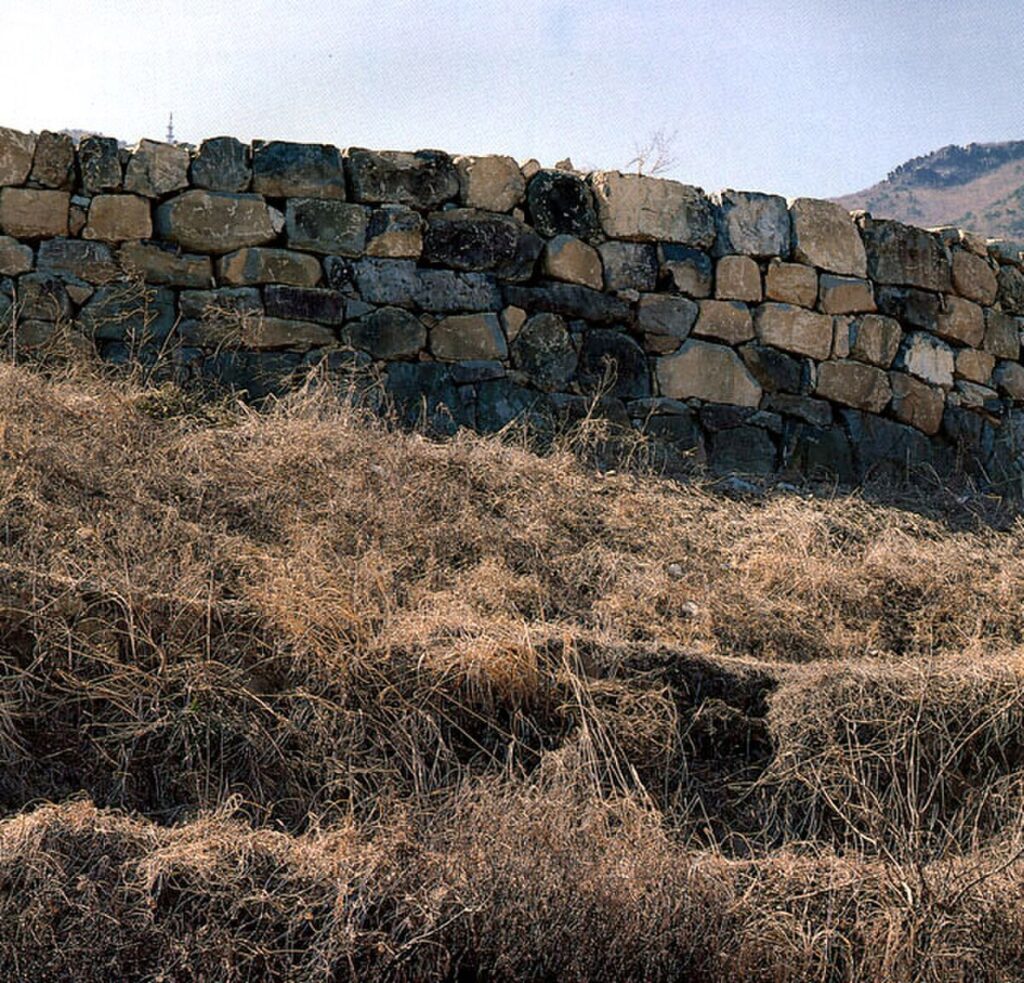
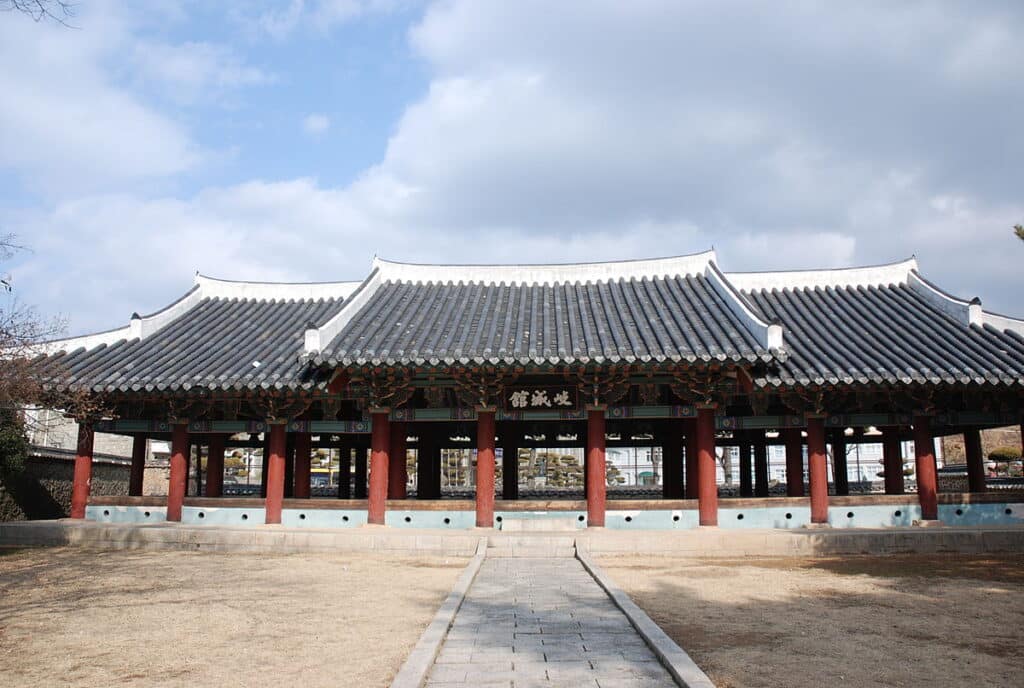


City Description
Geoje, a picturesque island city located in South Korea’s Gyeongsangnam-do Province, is known for its stunning natural landscapes, rich maritime history, and vibrant culture. With a population of around 250,000 residents, Geoje is the second-largest island in South Korea, spanning an area of approximately 383 square kilometers. The city has become a popular destination for both domestic and international tourists, offering a unique blend of scenic beauty, historical sites, and modern development.
Historically, Geoje has a long and storied past. The island has been inhabited since ancient times, with archaeological evidence suggesting human activity dating back thousands of years. During the Joseon Dynasty, Geoje served as a strategic location for military operations and trade due to its proximity to the mainland and its sheltered harbors. The city is particularly famous for its role during the Korean War, when it was the site of a significant refugee camp for those fleeing from North Korea. The camp, known as the Geoje POW Camp, housed thousands of prisoners of war, and today, the remnants of this history can be explored at the Geoje POW Camp Museum.
Geographically, Geoje is situated off the southern coast of the Korean Peninsula, about 50 kilometers from Busan. The island features a rugged coastline, with numerous bays, cliffs, and beaches that contribute to its scenic charm. The surrounding waters are rich in marine life, making the area popular for fishing and water sports. The climate in Geoje is classified as humid subtropical, with warm summers and mild winters. Average summer temperatures can reach up to 30°C (86°F), while winter temperatures typically range from 0°C to 10°C (32°F to 50°F).
Culturally, Geoje is known for its vibrant community and rich traditions. The island celebrates various festivals throughout the year, showcasing local customs and heritage. One of the most notable events is the Geoje International Music Festival, which attracts artists and musicians from around the world to perform and engage with the local community. The island’s rich maritime culture is also celebrated through events like the Geoje Sea Festival, where residents and visitors come together to enjoy water sports, seafood, and traditional performances.
Geoje’s culinary scene reflects its coastal location, with an abundance of fresh seafood available at local markets and restaurants. The island is particularly famous for dishes like *gejang* (marinated raw crab), *sashimi*, and grilled fish. The local markets, such as the Geoje Fish Market, offer a variety of fresh catches and provide a lively atmosphere where visitors can experience the island’s seafood culture firsthand.
In terms of human resources, Geoje has a well-educated workforce that is primarily engaged in industries related to shipbuilding, tourism, and agriculture. The city is home to several educational institutions, including elementary and secondary schools, as well as vocational training centers that prepare students for careers in various sectors. The presence of the shipbuilding industry, particularly companies like Daewoo Shipbuilding & Marine Engineering (DSME), provides numerous job opportunities for local residents.
Economically, Geoje has developed into a significant industrial hub, with the shipbuilding and maritime sectors being the backbone of its economy. The city is home to several major shipyards, including DSME, one of the largest shipbuilding companies in the world. This has made Geoje a vital player in the global shipbuilding industry, contributing to the local economy and providing thousands of jobs.
In addition to shipbuilding, Geoje is also focused on developing its tourism sector. The island’s natural beauty, with stunning beaches, hiking trails, and scenic viewpoints, attracts both domestic and international tourists. Popular tourist spots include Oedo-Botania, a botanical garden located on a nearby island, and Windy Hill, known for its breathtaking coastal views and windmills. The city is also home to beautiful beaches like Gujora Beach and Wahyeon Beach, which are popular destinations for sunbathing and water activities.
Tourism infrastructure in Geoje has seen significant investments in recent years, with the development of hotels, resorts, and recreational facilities. The city aims to enhance its appeal as a tourist destination by promoting its natural attractions and cultural heritage. Local government initiatives are focused on sustainable tourism, ensuring that the island’s natural beauty is preserved for future generations.
Transportation in Geoje is well-developed, with various options for residents and visitors to navigate the city and surrounding areas. The city is connected to the mainland by bridges, making it easily accessible by car. Public transportation includes buses that serve various routes, providing convenient options for commuting and exploring the island. The scenic ferry services also connect Geoje to nearby islands, allowing tourists to explore the surrounding region.
Demographically, Geoje is characterized by a mix of long-time residents and newcomers, particularly those attracted by job opportunities in the shipbuilding industry. The population is predominantly Korean, with a growing number of expatriates working in various sectors. This diversity is reflected in the community’s cultural offerings, with various cultural events and festivals celebrating different traditions and customs.
Despite its many strengths, Geoje faces challenges typical of rapidly growing cities, including housing affordability and environmental sustainability. As the island continues to attract new residents and tourists, local authorities are working on urban planning initiatives to ensure that the growth is managed sustainably, preserving the natural landscape and quality of life for residents.
In summary, Geoje is a city that beautifully balances its rich history, stunning natural landscapes, and modern industrial development. Known for its shipbuilding industry, vibrant culture, and outdoor attractions, it offers a unique experience that captures the essence of life in South Korea. Whether you’re exploring its beaches, indulging in local seafood, or participating in cultural events, Geoje provides a welcoming atmosphere that reflects the charm and resilience of its community. As the city continues to evolve, it remains a vital part of the Daejeon region’s cultural and economic landscape, bridging tradition with modern aspirations.
Leave a Reply