

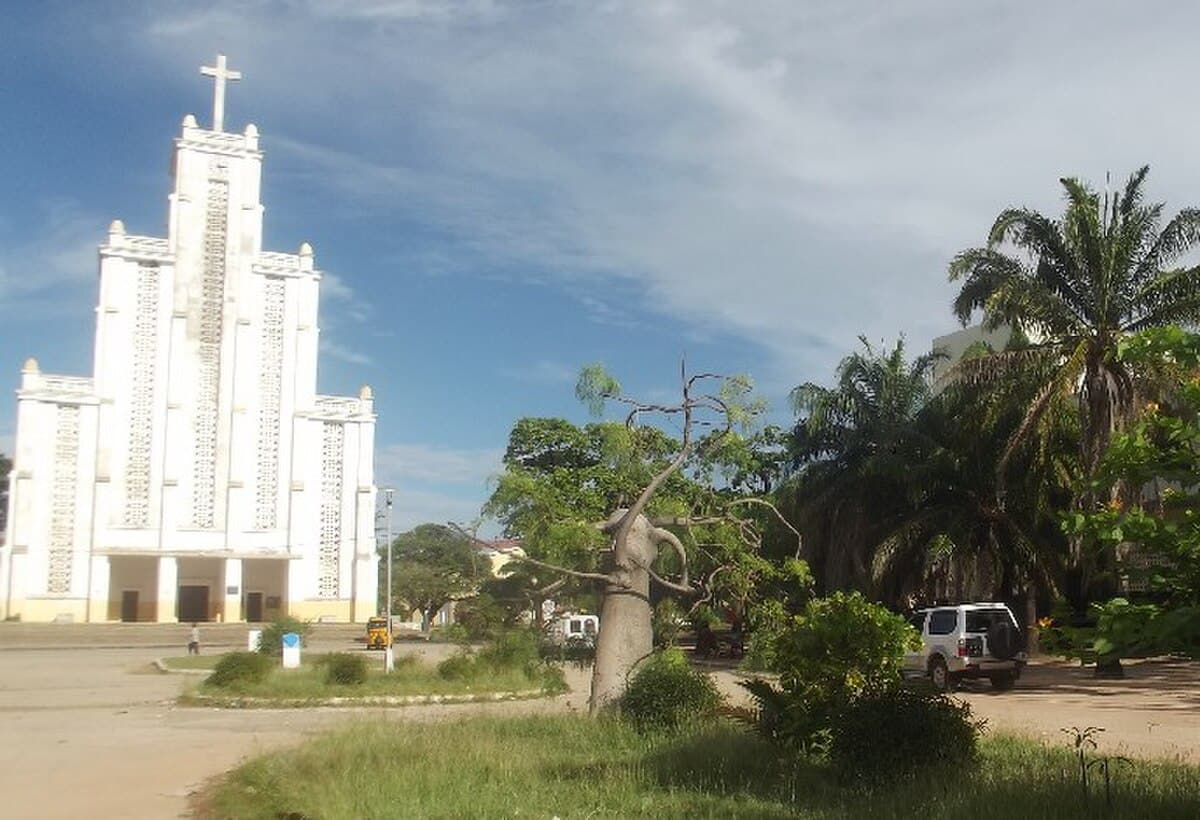
| Country | Madagascar |
| Population | 246022 |
| Area | 51.05 km2 (19.71 sq mi) |
| Time Zone | None |
| Coordinates | -15.716666666666667, 46.31666666666667 |
| Highest elevation | None |
City Gallery




City Description
Mahajanga, a vibrant port city on the northwest coast of Madagascar, is known for its lively atmosphere, stunning sunsets, and rich cultural diversity. With a population of around 250,000 people, Mahajanga is the capital of the Boeny region and a crucial hub for both trade and tourism in Madagascar. Located along the Mozambique Channel, the city has long been a crossroads of cultures, serving as a meeting point for African, Arab, Indian, and European influences, all of which are still visible in the city’s architecture, cuisine, and traditions.
Mahajanga’s history stretches back centuries, and the city was an important trading post even before the arrival of European colonists. The region was originally inhabited by the Sakalava people, and in the 16th century, Arab and Swahili traders from East Africa began to settle in the area, establishing a robust trade network that dealt in goods such as spices, ivory, and slaves. The city’s port quickly grew in importance due to its strategic location on the Indian Ocean, and by the 18th century, it had become a key player in the regional trade. During French colonization in the late 19th century, Mahajanga became a major administrative center, and its influence grew as it developed into a modern port city.
Geographically, Mahajanga occupies a stunning spot along the coast, with its shores lined by palm trees and baobabs. The city is situated near the mouth of the Betsiboka River, which flows into the Mozambique Channel, providing a vital waterway for trade and agriculture. The region is known for its beautiful beaches, such as Grand Pavois, which attract both local and international tourists looking to relax by the Indian Ocean. The climate is tropical, with hot and humid weather for most of the year. Temperatures often reach 30°C to 35°C, and the rainy season lasts from December to April, followed by a dry and sunny winter.
Culturally, Mahajanga is a melting pot of traditions. The Sakalava, one of Madagascar’s major ethnic groups, form the core of the local population, but the city is also home to significant communities of Comorians, Indians, Chinese, and Arabs, giving it a unique multicultural flavor. This diversity is reflected in the city’s daily life, from the bustling markets to the various languages spoken on the streets. Malagasy is the official language, but French is also widely used, especially in business and education.
One of the city’s cultural highlights is the annual Sakalava festival, which celebrates the traditions and history of the Sakalava people through music, dance, and ceremonies. Music is an integral part of life in Mahajanga, and you can often hear the rhythms of *salegy*—a fast-paced, danceable genre that’s popular throughout Madagascar—blaring from cafes and street corners. The city is also known for its beautiful hand-crafted goods, such as wooden carvings and textiles, which are sold in its lively markets.
Food in Mahajanga is a blend of Malagasy, Indian, and Arab influences, with seafood playing a central role thanks to the city’s coastal location. Dishes like *romazava* (a traditional Malagasy stew) and grilled fish are common, often served with rice and seasoned with locally grown spices like ginger and cloves. Street food is also popular in Mahajanga, with vendors selling snacks such as *mofo gasy* (Malagasy rice pancakes) and *sambos* (similar to samosas). The city’s markets, like the famous Mahabibo Market, are vibrant hubs where locals and visitors alike can sample fresh produce, spices, and seafood straight from the ocean.
In terms of human resources, Mahajanga has a young and diverse population, with many residents working in sectors such as trade, tourism, and fishing. The city has several educational institutions, including the University of Mahajanga, which offers programs in fields like economics, law, and environmental science. The university plays a key role in shaping the city’s workforce, and many students from across the region come to Mahajanga to study. Vocational training centers in the city also provide education in practical fields such as agriculture, fishing, and hospitality, supporting the local economy.
Economically, Mahajanga is a vital port city, and its economy is driven by a combination of trade, fishing, agriculture, and tourism. The Port of Mahajanga is one of the busiest in Madagascar, handling both domestic and international shipping. The city’s location along the Mozambique Channel makes it a key gateway for trade with East Africa, the Middle East, and beyond. The fishing industry is particularly important, with many local fishermen supplying fresh seafood to both domestic markets and for export. Mahajanga’s fish markets are bustling with activity, and the city is known for its high-quality shrimp, crab, and lobster.
Agriculture also plays a significant role in the region’s economy, with the fertile lands surrounding Mahajanga producing crops such as rice, cassava, sugarcane, and tropical fruits like mangoes and lychees. These products are sold both locally and exported, contributing to the city’s vibrant economy. In recent years, there has been growing interest in developing the region’s agricultural sector further, particularly through sustainable farming practices and investments in infrastructure.
Tourism is another major pillar of Mahajanga’s economy, thanks to its beautiful beaches, vibrant culture, and historical landmarks. The city’s palm-lined streets, lively markets, and colonial-era buildings give it a charming, laid-back feel that draws visitors. In addition to its beaches, Mahajanga is known for its proximity to natural attractions such as the Ankarafantsika National Park, home to unique wildlife including lemurs and rare bird species. The park is a popular destination for eco-tourists and nature lovers. The Cirque Rouge, a stunning natural amphitheater of red sandstone cliffs located just outside the city, is another must-see for visitors.
Infrastructure in Mahajanga is continuously improving, though the city faces challenges typical of growing urban areas in developing countries. Roads and public services are being upgraded, and efforts are being made to expand access to clean water and electricity in both urban and rural areas. The city’s transportation network includes taxis, buses, and *pousse-pousse* (rickshaws), which are commonly used for getting around town. Mahajanga Airport provides domestic flights to the capital, Antananarivo, and other key cities in Madagascar, connecting Mahajanga to the rest of the country.
Demographically, Mahajanga is a youthful city, with a large portion of the population under the age of 30. The city’s diversity is one of its greatest strengths, as it fosters a spirit of openness and cooperation among its various communities. While the majority of the population identifies as Sakalava, the presence of significant Indian, Comorian, and Arab communities adds layers of cultural richness to the city. This diversity is reflected in the city’s architecture, with mosques, temples, and churches standing side by side, representing the various faiths practiced in Mahajanga, including Islam, Hinduism, and Christianity.
Mahajanga, like much of Madagascar, faces challenges related to environmental sustainability and economic development. The city is vulnerable to cyclones and flooding, which can disrupt daily life and damage infrastructure. However, there are ongoing efforts to improve disaster preparedness and build more resilient infrastructure to mitigate the impact of natural disasters. Additionally, the local government and NGOs are working on initiatives to protect the region’s fragile ecosystems, including mangrove forests and coral reefs, which are vital to both the environment and the economy.
In summary, Mahajanga is a city that blends the old with the new, offering a unique mix of cultures, traditions, and natural beauty. Its strategic location on the coast, rich history, and diverse economy make it a key player in Madagascar’s development. Whether you’re wandering through its bustling markets, relaxing on its beaches, or exploring its nearby national parks, Mahajanga offers a vibrant and authentic experience that captures the essence of life in this part of the world. As the city continues to grow, it remains rooted in its past while looking forward to new opportunities in trade, tourism, and sustainable development.
Leave a Reply