


| Country | United States |
| Population | 238005 |
| Area | 96.40 sq mi (249.68 km2) |
| Time Zone | UTC−5 (EST) |
| Coordinates | 36.846944444444446, -76.28527777777778 |
| Highest elevation | 7 ft (2.1 m) |
City Gallery




City Description
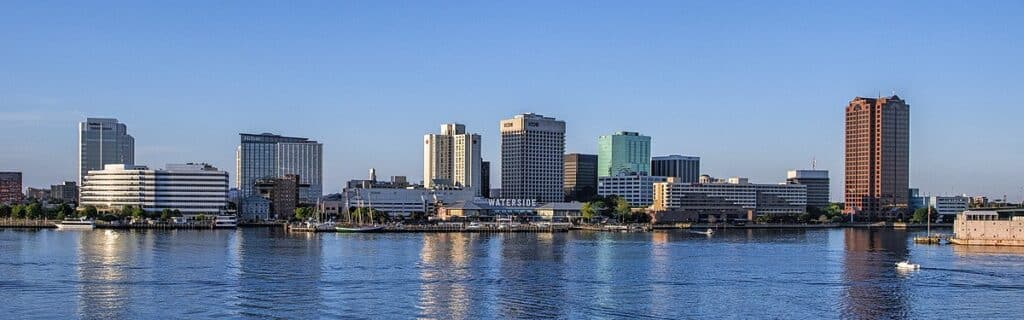
Norfolk, a vibrant and historic city in southeastern Virginia, is known for its rich maritime heritage, diverse economy, and cultural landmarks. With a population of just over 240,000, it is the second-largest city in Virginia and serves as a key economic and military hub in the Hampton Roads metropolitan area. Norfolk is strategically located along the Elizabeth River and the Chesapeake Bay, which has made it a critical port city for centuries. Today, Norfolk is home to the world’s largest naval base, a bustling downtown, and a thriving arts scene, making it a dynamic and diverse city that continues to grow and evolve.
Norfolk’s history dates back to 1682 when it was established as a colonial port town, and its location on the Chesapeake Bay made it an important center for shipping and trade during the colonial period. The city played a significant role during the American Revolution and the War of 1812 due to its strategic naval position. In the Civil War, Norfolk was captured by Union forces and remained under their control for most of the conflict. The 20th century saw rapid development in Norfolk, particularly with the establishment of Naval Station Norfolk in 1917, which cemented the city’s role as a key player in the U.S. military’s operations. The naval base, along with other military installations, continues to be one of the largest employers in the area.
Geographically, Norfolk occupies a central location in the Hampton Roads region, which is known for its extensive network of rivers, bays, and inlets. The city covers about 96 square miles (250 square kilometers), with water making up nearly half of its total area. The city is bordered by Chesapeake to the south, Virginia Beach to the east, and Portsmouth to the west, making it well-connected to other key cities in the region. Norfolk’s waterfront location along the Elizabeth River and its access to the Atlantic Ocean via the Chesapeake Bay have played an essential role in its development as a port city. The climate in Norfolk is humid subtropical, with hot, humid summers and mild winters. Average summer temperatures hover around 85°F (29°C), while winter temperatures range from 35°F to 50°F (2°C to 10°C).
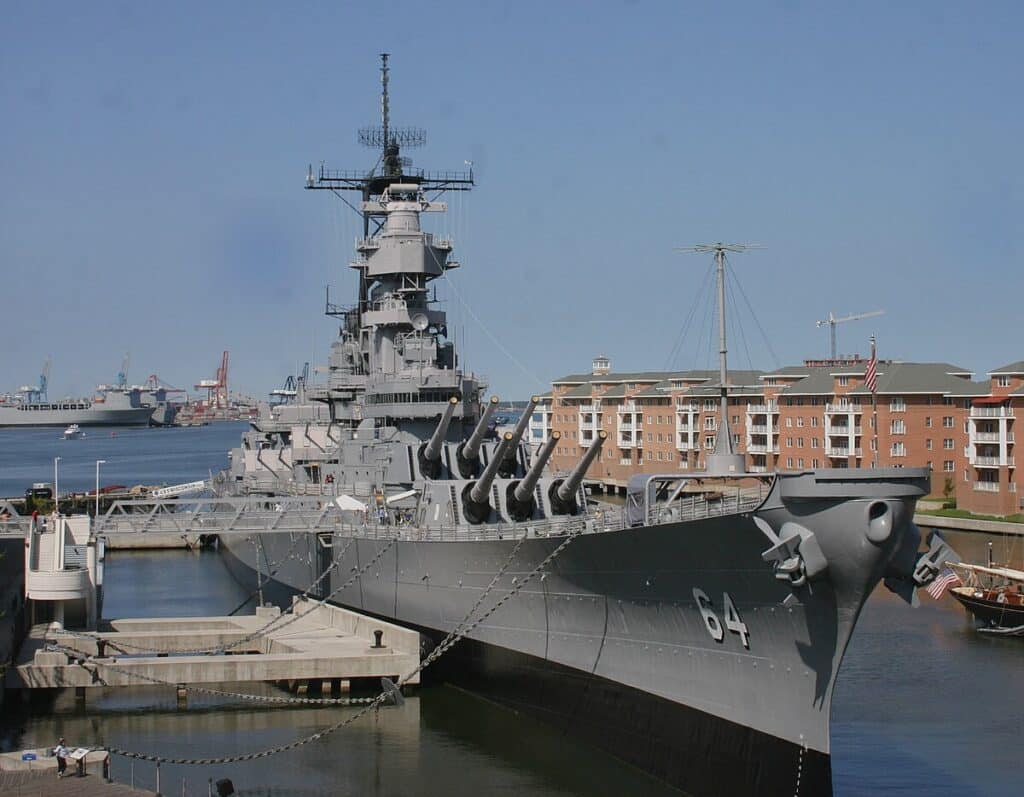
Culturally, Norfolk is a city that celebrates both its rich history and its modern growth. Downtown Norfolk, with its mix of historic architecture and contemporary development, is the cultural heart of the city. One of the city’s cultural landmarks is the Chrysler Museum of Art, which houses an impressive collection of more than 30,000 works of art, including paintings, sculptures, and glass. The Virginia Opera and Virginia Stage Company are also based in Norfolk, offering residents and visitors access to high-quality performances in music and theater. For those interested in history, the USS Wisconsin, a decommissioned battleship that served in World War II, the Korean War, and the Gulf War, is moored at the Nauticus maritime museum, offering a glimpse into the city’s naval legacy.
Norfolk is also home to a diverse population, with a mix of ethnicities and cultures contributing to its vibrant atmosphere. The city’s festivals and events reflect this diversity, with celebrations like the annual Norfolk NATO Festival, which honors the 30+ NATO member nations that have a presence in the city. The annual Harborfest, one of the largest maritime festivals in the U.S., attracts thousands of visitors every summer, showcasing Norfolk’s waterfront, local food, and live entertainment.
The food scene in Norfolk is a reflection of the city’s coastal location and multicultural population. Seafood is a staple, with local restaurants serving up fresh oysters, crabs, and fish caught from the nearby waters. Popular dishes include crab cakes, clam chowder, and shrimp and grits, but the city’s culinary offerings go far beyond seafood. Norfolk’s growing restaurant scene includes everything from Southern comfort food to international cuisine, with neighborhoods like Ghent and Downtown offering a wide variety of dining options.
In terms of human resources, Norfolk benefits from a highly educated workforce, thanks to the presence of several institutions of higher learning in and around the city. Old Dominion University (ODU), located in Norfolk, is one of Virginia’s largest public research universities, offering programs in engineering, business, education, and the sciences. Norfolk State University, a historically black university (HBCU), is another major educational institution, known for its strong programs in technology, business, and social work. These universities, along with Eastern Virginia Medical School, contribute to the city’s skilled workforce and provide research and development in key sectors such as healthcare, technology, and maritime industries.
Norfolk’s economy is diverse, with significant contributions from military installations, shipping and logistics, healthcare, education, and tourism. The U.S. military is the largest employer in the city, with Naval Station Norfolk, the largest naval base in the world, playing a central role in the local economy. The base supports more than 75 ships and over 100,000 military personnel, civilian employees, and contractors. Other military facilities in the area include NATO’s Allied Command Transformation and several shipyards that support naval operations.
The Port of Virginia, with one of its largest terminals located in Norfolk, is another critical component of the local economy. It is one of the busiest and deepest ports on the East Coast, handling millions of tons of cargo annually and serving as a major gateway for international trade. The port supports thousands of jobs in logistics, transportation, and warehousing, and it plays a vital role in connecting the U.S. to global markets.
In addition to the military and port-related industries, Norfolk has a growing technology sector, with a focus on cybersecurity, data analytics, and advanced manufacturing. The city has invested in technology incubators and innovation hubs to attract startups and tech companies. Norfolk is also home to Sentara Healthcare, one of the largest integrated healthcare systems in Virginia, which employs thousands of healthcare professionals in the region and operates hospitals and clinics throughout the state.
Tourism plays a significant role in Norfolk’s economy, with the city’s historical sites, museums, festivals, and waterfront attractions drawing visitors from across the country. The nearby Virginia Beach oceanfront and the Chesapeake Bay Bridge-Tunnel are popular day-trip destinations, while Norfolk’s own attractions, such as the Norfolk Botanical Garden and the Waterside District, offer entertainment and recreation for visitors and residents alike.
Infrastructure in Norfolk is well-developed, with an extensive road network and public transportation options. The Hampton Roads Bridge-Tunnel connects Norfolk to the city of Hampton and other parts of the Virginia Peninsula, while the Downtown Tunnel links Norfolk to Portsmouth. The city is served by the Tide Light Rail, Virginia’s first light rail system, which provides convenient transportation across downtown and into neighboring Virginia Beach. Norfolk International Airport, located just a few miles from downtown, offers flights to major U.S. cities and serves as the primary airport for the Hampton Roads region.
Norfolk faces some challenges, particularly related to environmental sustainability. The city is vulnerable to flooding due to its low elevation and proximity to the coast, and rising sea levels pose a long-term threat to its waterfront areas. The local government has been proactive in addressing these issues, with initiatives to improve stormwater management, enhance coastal defenses, and invest in resilient infrastructure to mitigate the impacts of climate change.
Demographically, Norfolk is a diverse and relatively young city, with a median age of around 30 years. The city’s population is a mix of African American, White, Hispanic, and Asian communities, reflecting Norfolk’s role as a multicultural hub in the southeastern U.S. The presence of the U.S. Navy and other military installations also contributes to the city’s diversity, as people from all over the country and the world come to live and work in Norfolk.
In conclusion, Norfolk is a city where history, industry, and culture converge to create a dynamic and growing urban environment. Its rich maritime heritage, military significance, and diverse economy make it a key player in the southeastern United States. Whether you’re exploring its historic neighborhoods, visiting its museums, or enjoying its waterfront, Norfolk offers something for everyone. The city’s balance of tradition and innovation ensures that it will continue to thrive as a regional leader for years to come.
Leave a Reply