


| Country | Philippines |
| Population | 1661584 |
| Area | 55.80 km2 (21.54 sq mi) |
| Time Zone | UTC+8 (PST) |
| Coordinates | 14.64953, 120.96788 |
| Highest elevation | 30 m (100 ft) |
City Gallery




City Description
Caloocan City, officially known as the City of Caloocan, is a vibrant and bustling 1st class highly urbanized city located in Metro Manila, Philippines. With a population of 1,661,584 people as of the 2020 census, it is the fourth-most populous city in the country. The city spans a combined area of 5,333.40 hectares (13,179.1 acres) and is uniquely divided into two geographical sections: South Caloocan and North Caloocan, a result of Quezon City’s expansion which absorbed much of its original territory.
Historically, Caloocan was part of the Province of Rizal in southern Luzon. Its strategic location and the development of infrastructure have played significant roles in its transformation into a highly urbanized central business district and a major urban center in the Northern District of Metropolitan Manila. South Caloocan is bordered by Manila, Quezon City, Malabon, Navotas, and Valenzuela, featuring a mix of commercial and industrial activities alongside residential areas. This area is a hub of economic activity and a key contributor to the region’s dynamism.
North Caloocan, on the other hand, shares its borders with Quezon City, Valenzuela, Marilao, Meycauayan, San Jose del Monte in the province of Bulacan, and Rodriguez in the province of Rizal. Predominantly residential, this area is characterized by extensive subdivisions and resettlement areas. Industrial estates are scattered throughout, particularly near major road transit points and intersections, highlighting the area’s role in supporting both local and regional economies.
Caloocan’s geography is marked by its flat and low-lying terrain, typical of the larger Metro Manila area, making it suitable for urban development and industrial activities. The city experiences a tropical monsoon climate, with distinct wet and dry seasons, contributing to its lush greenery in many residential and public spaces.
Culturally, Caloocan is a melting pot of traditions and modernity. It is home to various festivals and celebrations that reflect the rich heritage and diverse cultural background of its residents. The city celebrates its founding anniversary every February 16, marked by vibrant parades, street dances, and cultural shows. Additionally, the city is known for its patron saint, San Roque, whose feast day is celebrated with much fervor.
Human resources in Caloocan are robust, with a diverse workforce contributing to various sectors such as manufacturing, retail, services, and education. The city’s educational institutions, ranging from primary schools to tertiary institutions, provide quality education and training, preparing the younger generation for future challenges. Notable educational establishments include the University of Caloocan City and various technical and vocational schools that cater to different skill sets and professional fields.
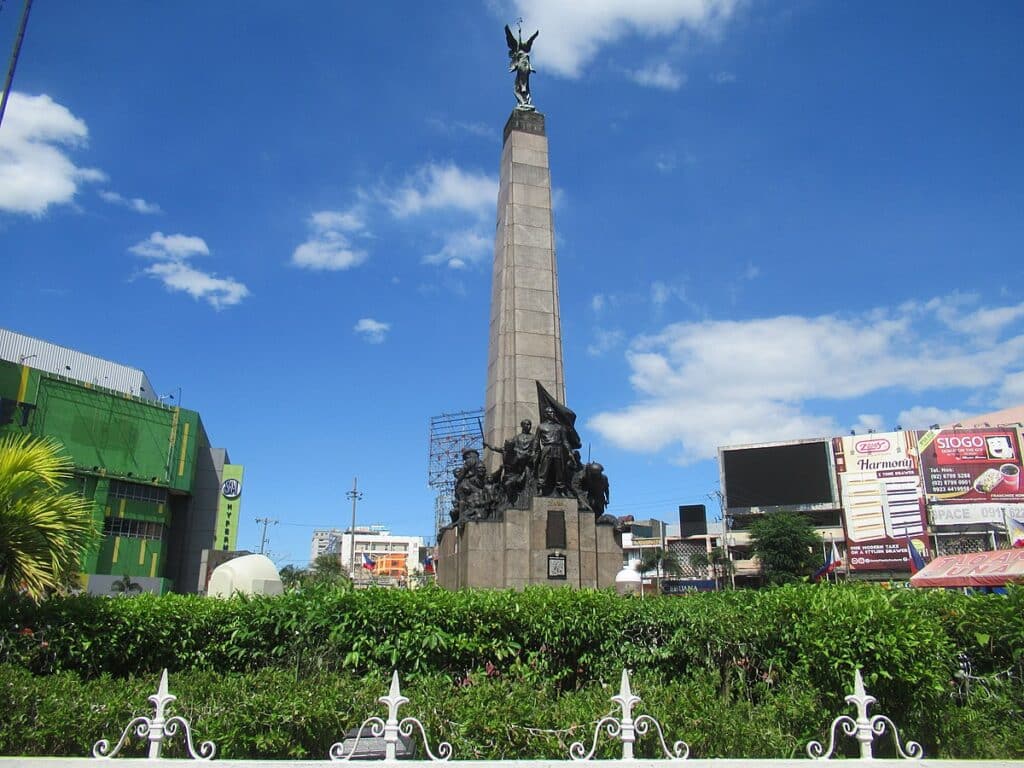
Economically, Caloocan is a significant player in the Metro Manila region. Its commercial areas are bustling with activity, featuring numerous shopping malls, markets, and business centers. The presence of industrial zones and business parks supports a wide range of manufacturing and production activities, contributing to the city’s economic growth. Key commercial establishments such as the Monumento Circle, a major transport hub, and various retail centers provide ample opportunities for business and trade.
Transportation in Caloocan is well-developed, with an extensive network of roads and highways connecting it to neighboring cities and provinces. Public transportation options, including buses, jeepneys, tricycles, and the Manila Light Rail Transit System (LRT-1), ensure that residents and visitors can easily navigate the city. The ongoing infrastructure projects aim to further improve connectivity and reduce traffic congestion, enhancing the overall quality of life in the city.
In terms of amenities, Caloocan offers a wide range of facilities and services to its residents. Healthcare is well-supported with numerous hospitals, clinics, and healthcare centers providing quality medical care. Recreational spaces such as parks, sports complexes, and community centers offer residents opportunities for leisure and physical activities.
Caloocan City continues to evolve and adapt to the changing needs of its population. Its strategic location, combined with its rich history, cultural diversity, and economic dynamism, makes it a key city in the Philippines, contributing significantly to the growth and development of the Metro Manila region.
Leave a Reply