


| Country | China |
| Population | None |
| Area | None |
| Time Zone | None |
| Coordinates | 30.1764, 121.2457 |
| Highest elevation | None |
City Gallery
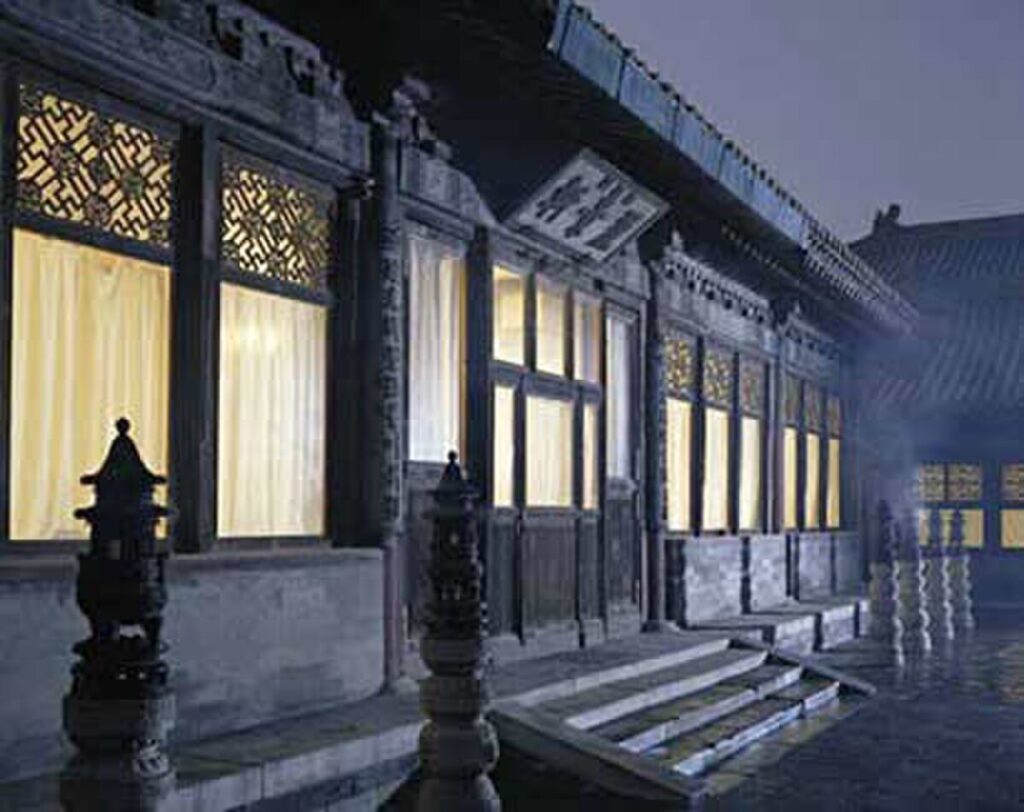




City Description
Cixi, China city, is a bustling and modern urban area located in the Zhejiang province, along the southern coast of Hangzhou Bay. With a rich history and rapid economic growth, Cixi has transformed from a traditional town into a vibrant city known for its industrial prowess, cultural heritage, and strategic geographical location.
Cixi’s history dates back over 2,000 years, with its roots in the Qin Dynasty when it was first established. The city has witnessed numerous historical events, contributing to its rich cultural tapestry. During the Ming and Qing Dynasties, Cixi was known for its thriving trade and craftsmanship, particularly in the production of textiles and ceramics.
Geographically, Cixi is situated in the northeastern part of Zhejiang province, covering an area of 1,154 square kilometers. The city’s topography is primarily flat, with a mix of coastal and inland features. The proximity to Hangzhou Bay provides Cixi with a strategic advantage for trade and transportation. The city enjoys a subtropical monsoon climate, with mild winters and hot, humid summers, making it conducive for agricultural activities and outdoor industries.
Culturally, Cixi boasts a rich heritage with several historical sites and traditional practices. The city is known for its annual festivals, such as the Dragon Boat Festival and the Mid-Autumn Festival, which reflect the deep-rooted traditions of the local community. The Yue Kiln Sites, a collection of ancient kilns used for porcelain production during the Tang and Song Dynasties, are a testament to Cixi’s historical significance in ceramics.
In terms of human resources, Cixi has a population of approximately 2 million people. The city is home to a skilled workforce that has driven its industrial and economic growth. The local government has invested in education and vocational training, ensuring a steady supply of qualified professionals to support its industries.
Economically, Cixi is a powerhouse in Zhejiang province, contributing significantly to the region’s GDP. The city’s economy is diverse, with a strong presence in manufacturing, textiles, machinery, and electronics. Cixi is renowned for its production of small household appliances, particularly water heaters, which are exported worldwide. The city’s industrial zones, such as the Cixi Economic Development Zone, have attracted both domestic and international investments, fostering economic growth and innovation.
Cixi’s strategic location along Hangzhou Bay has facilitated its development as a logistics hub. The city is well-connected through an extensive network of highways, railways, and ports. The Hangzhou Bay Bridge, one of the world’s longest trans-oceanic bridges, links Cixi to Shanghai, further enhancing its connectivity and trade potential.
In recent years, Cixi has also focused on sustainable development and environmental conservation. The city has implemented various green initiatives, including the promotion of clean energy and the establishment of eco-friendly industrial parks. These efforts have positioned Cixi as a model city for sustainable urban development in China.
In summary, Cixi, China city, is a dynamic urban center with a rich historical background, strategic geographical location, and a thriving economy. Its cultural heritage, skilled workforce, and robust infrastructure make it a vital player in Zhejiang province’s economic landscape, contributing to both regional and national growth.
Leave a Reply