


| Country | Iran, Islamic Rep. of |
| Population | 71 |
| Area | 240 km2 (86.487 sq mi) |
| Time Zone | UTC+03:30 (IRST) |
| Coordinates | 29.61031, 52.53113 |
| Highest elevation | 1,500 m (5,200 ft) |
City Gallery




City Description
Shiraz, the fifth-most-populous city in Iran, serves as the capital of Fars Province, historically known as Pars or Persis. According to the 2021 census, Shiraz’s population has grown to 1,995,500 people, up from 1,565,572 in 2016. The city’s built-up area, including Sadra, is home to nearly 1.8 million inhabitants. Nestled in southwestern Iran, Shiraz is situated along the rudkhaneye khoshk, or “dry river,” which flows seasonally.
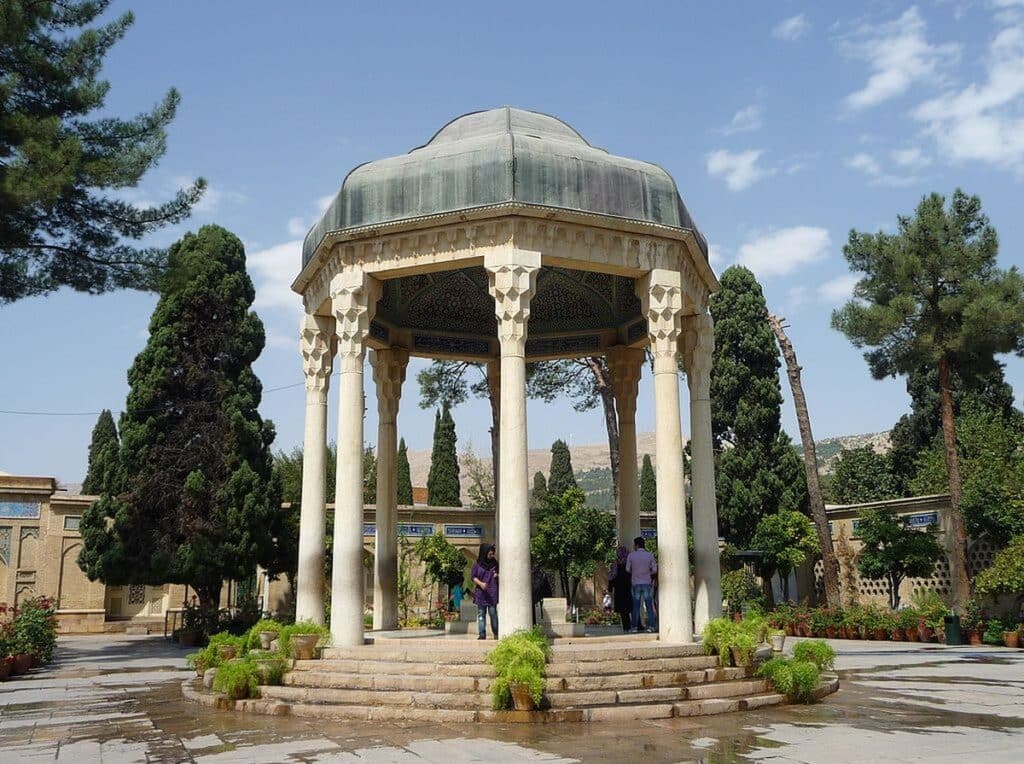
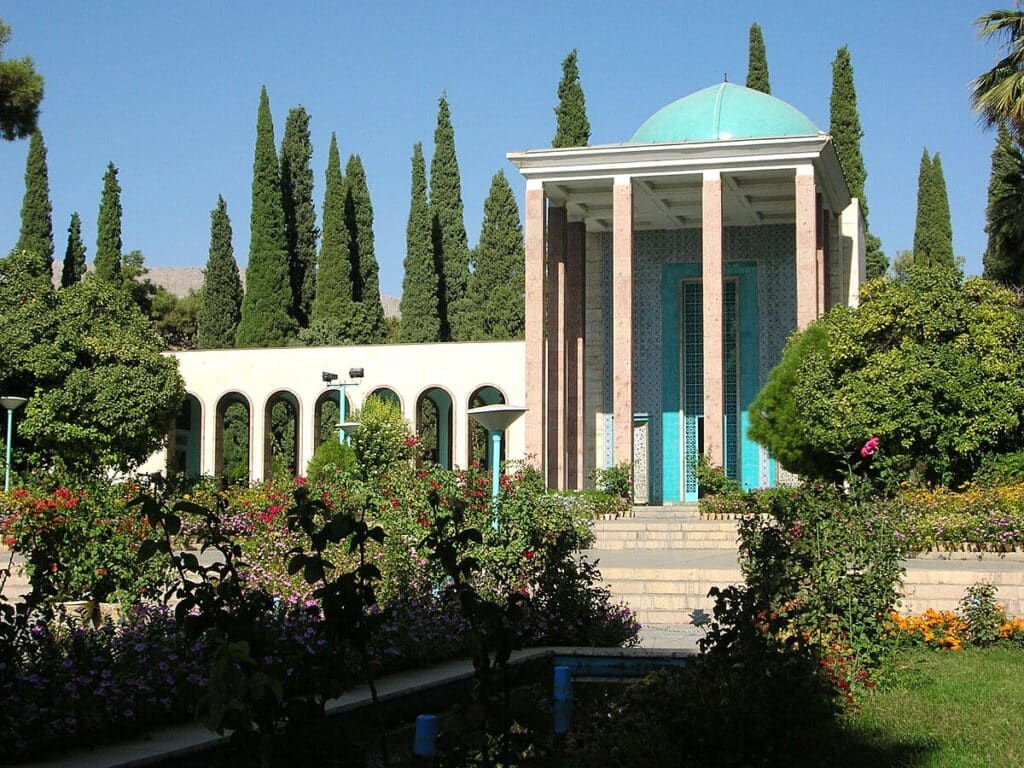
The city’s history dates back to 2000 BCE, with its earliest mention as Tiraziš found on Elamite clay tablets. The modern city was founded during the Sasanian dynasty and saw restoration under the Umayyad Caliphate in 693 CE. Shiraz rose to prominence under the Saffarid and Buyid dynasties in the 9th and 10th-11th centuries. By the 13th century, it had become a leading center of the arts and letters, attracting many Persian scholars and artists. The city is famously home to two of Iran’s most celebrated poets, Hafez and Saadi, whose tombs are located on the northern side of Shiraz.
Known as the city of poets, literature, and flowers, Shiraz is a top tourist destination in Iran and holds a special place in the hearts of many Iranians as the city of gardens. The city is adorned with numerous gardens and fruit trees, with the Eram Garden being particularly notable. Shiraz attracts visitors from around the world, drawn to its rich history and cultural significance. Historically, Shiraz has had significant Jewish and Christian communities, contributing to its diverse cultural tapestry.
Shiraz’s crafts are renowned for their intricate designs, including inlaid mosaic work, silverware, pile carpet-weaving, and the weaving of kilim, known locally as gilim and jajim. The city’s dominant industries include the production of cement, sugar, fertilizers, textiles, wood products, metalwork, and rugs. Additionally, Shiraz hosts a major oil refinery and is a central hub for Iran’s electronic industries, accounting for 53 percent of the nation’s electronic investment.
In terms of renewable energy, Shiraz is a pioneer within Iran, housing the country’s first solar power plant. Recently, the city’s first wind turbine was installed above Mount Babakuhi, highlighting Shiraz’s commitment to sustainable energy solutions.
Geographically, Shiraz benefits from a moderate climate, making it an ideal location for a regional trade center for over a thousand years. The city lies in a valley surrounded by mountains, which not only provide a picturesque landscape but also play a role in its climate. This favorable geography has supported Shiraz’s development and contributed to its reputation as a city of gardens.
Culturally, Shiraz is a beacon of Persian heritage. The city’s many festivals, literary gatherings, and artistic events celebrate its rich history and contemporary vibrancy. The annual Shiraz Arts Festival is one such event that draws artists and audiences from across the globe, showcasing the city’s ongoing role as a cultural hub.
Human resources in Shiraz are bolstered by numerous educational institutions, including Shiraz University and Shiraz University of Medical Sciences, which attract students from across Iran and beyond. These institutions contribute to a well-educated workforce that drives innovation and supports the city’s various industries.
Economically, Shiraz is a dynamic city with a diverse economic base. Its strategic location and rich cultural heritage make it a vital center for tourism, while its industrial sector supports a wide range of manufacturing activities. The city’s markets are bustling centers of trade, offering everything from local crafts to modern electronics.
Shiraz’s infrastructure supports its economic activities and enhances the quality of life for its residents. The city’s transportation network, including road, rail, and air connections, ensures easy mobility and access to regional and international destinations. Shiraz International Airport is a key gateway for travelers, further cementing the city’s role as a major economic and cultural center.
In summary, Shiraz is a city where history, culture, and modernity blend seamlessly. Its rich historical legacy, vibrant cultural scene, and dynamic economy make it a fascinating place to live, work, and visit. Whether exploring its historical landmarks, enjoying its beautiful gardens, or experiencing its lively markets, Shiraz offers a unique and enriching experience for residents and visitors alike.
Leave a Reply