

| Country | South Africa |
| Population | 967677 |
| Area | 251.03 km2 (96.92 sq mi) |
| Time Zone | UTC+2 (SAST) |
| Coordinates | -33.96109, 25.61494 |
| Highest elevation | None |
City Gallery


City Description
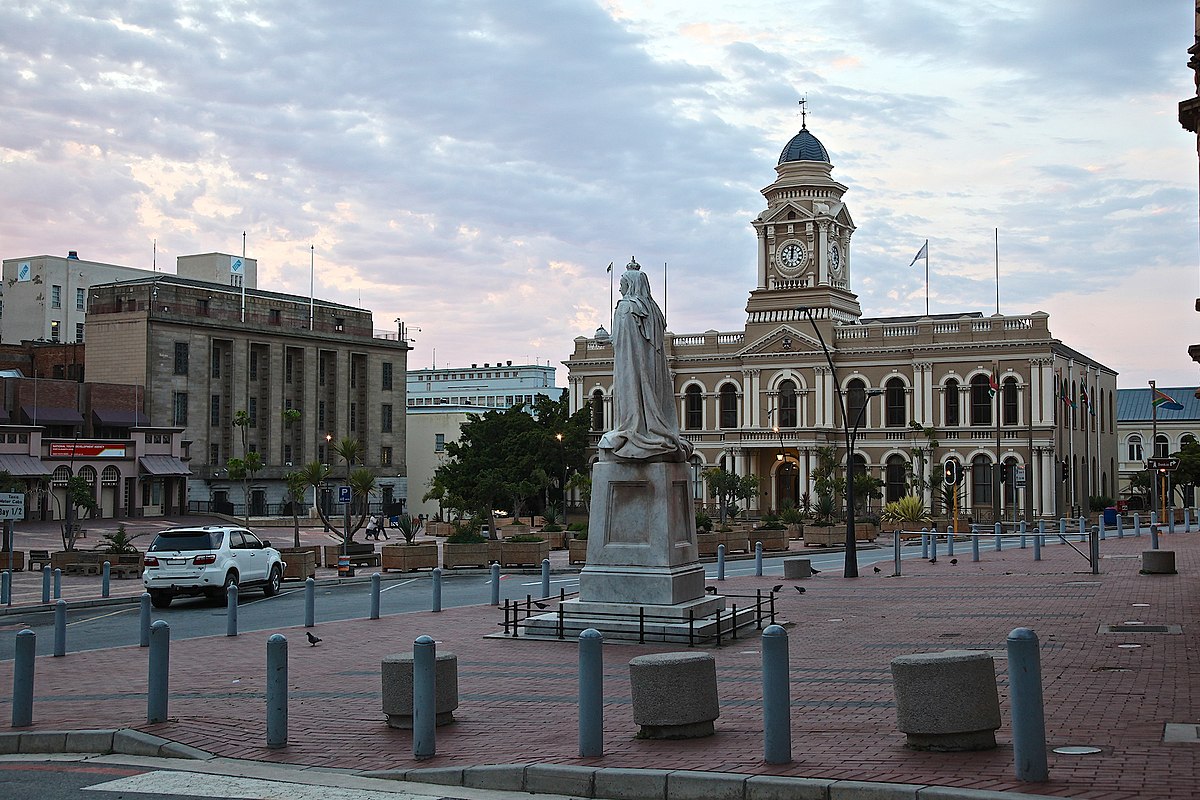
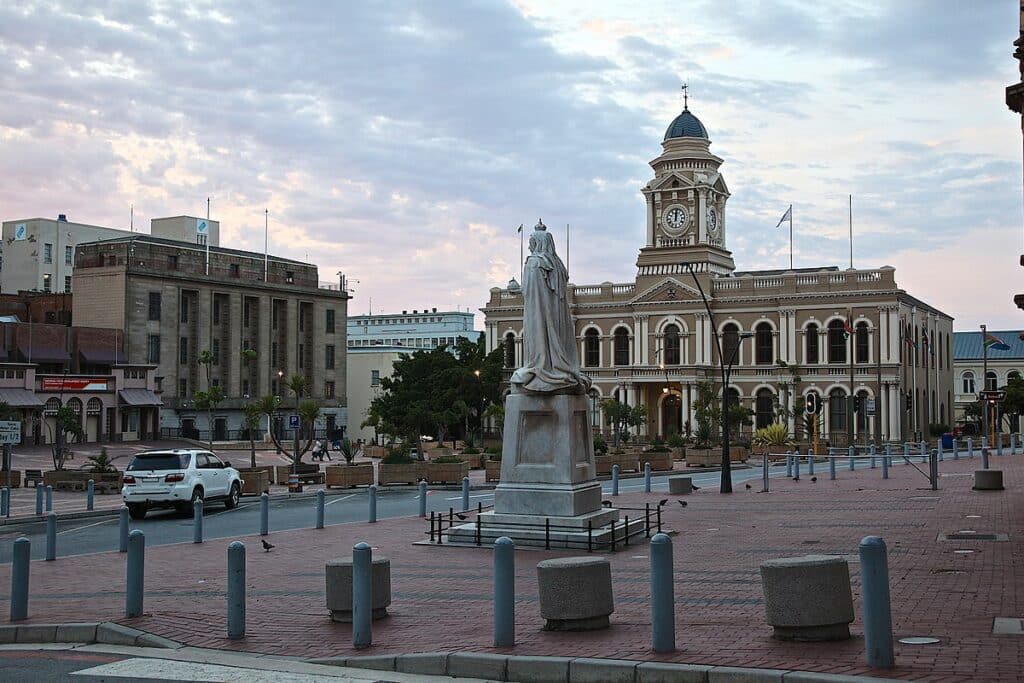
Port Elizabeth, South Africa, now known as Gqeberha, is a bustling and vibrant city located in the Eastern Cape province. It stands as the most populous city in the province, serving as a major seaport and the central hub for culture, economy, and finance in the region. The city falls under the Nelson Mandela Bay Metropolitan Municipality, the second-smallest metropolitan municipality by area in South Africa, yet it ranks as the sixth-most populous city in the country.
The history of Port Elizabeth dates back to its founding in 1820 by British settlers. Over the years, it has grown into a city that harmoniously blends its rich historical heritage with modern development. The city was officially renamed Gqeberha in 2021, a name derived from the Xhosa language, reflecting the indigenous heritage of the region.
Geographically, Gqeberha is located on the southeastern coast of South Africa, with its coastline stretching along the beautiful shores of Algoa Bay. This prime location makes it an important maritime gateway, facilitating significant trade and transport activities. The city enjoys a moderate climate, characterized by mild winters and warm summers, making it an attractive destination year-round.
Culturally, Gqeberha is a melting pot of diversity. The city is known for its rich blend of cultural influences, from indigenous Xhosa traditions to the legacy of European settlers. The local culture is vibrant, with numerous festivals, art exhibitions, and cultural events held throughout the year. Key cultural landmarks include the Nelson Mandela Metropolitan Art Museum and the South End Museum, which provide deep insights into the city’s diverse history and cultural evolution.
In terms of human resources, Gqeberha boasts a robust educational infrastructure, home to institutions like Nelson Mandela University, which contributes to a well-educated and skilled workforce. The city’s educational institutions play a crucial role in nurturing local talent and driving innovation in various sectors.
Economically, Gqeberha is a powerhouse in the Eastern Cape. The city’s economy is diverse, with strong sectors in manufacturing, automotive, and maritime industries. The Port of Ngqura and the older Port Elizabeth harbor are vital to the city’s economy, facilitating both import and export activities. The automotive industry, in particular, is a significant contributor, with major manufacturers like Volkswagen and General Motors having established operations in the area.
Transportation in Gqeberha is well-developed, with an efficient network of roads, railways, and airways. The city is served by Chief Dawid Stuurman International Airport, which connects it to major cities within South Africa and beyond. Public transport within the city is also well-coordinated, ensuring easy movement for residents and visitors alike.
Gqeberha’s appeal extends beyond its economic and cultural facets; it is also renowned for its natural beauty and recreational opportunities. The city is home to stunning beaches, such as King’s Beach and Hobie Beach, which are popular spots for surfing, swimming, and sunbathing. Additionally, the nearby Addo Elephant National Park offers a unique opportunity to experience South Africa’s wildlife up close.
Overall, Port Elizabeth, or Gqeberha, is a city where history, culture, and modernity coexist harmoniously. Its strategic location, economic vitality, cultural richness, and natural beauty make it a fascinating destination for anyone looking to explore the Eastern Cape. The city continues to grow and evolve, embracing its diverse heritage while forging a path toward a dynamic future.
Leave a Reply