

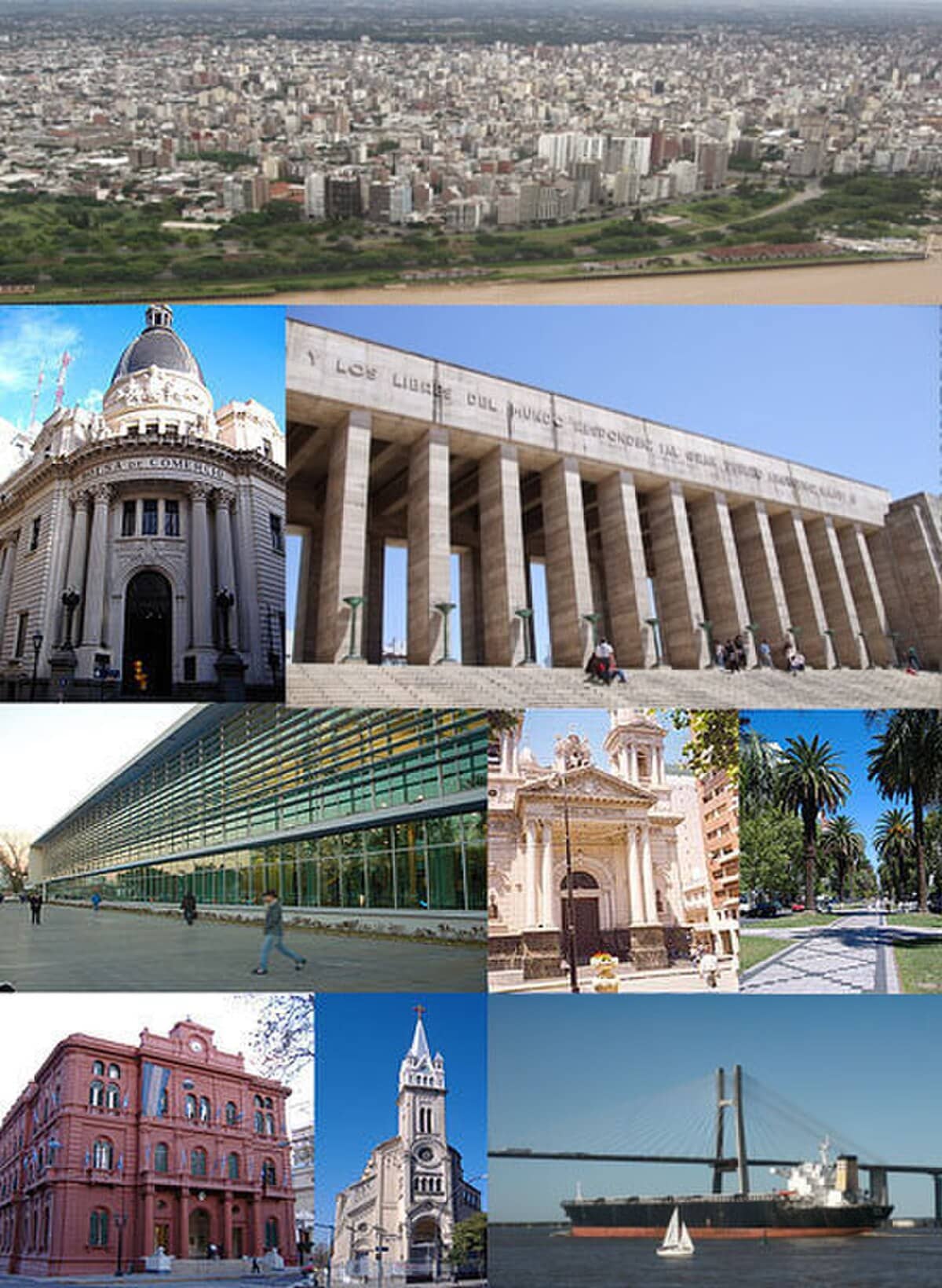
| Country | Argentina |
| Population | 1276000 |
| Area | 178.69 km2 (68.99 sq mi) |
| Time Zone | UTC−3 (ART) |
| Coordinates | -32.94682, -60.63932 |
| Highest elevation | 31 m (102 ft) |
City Gallery
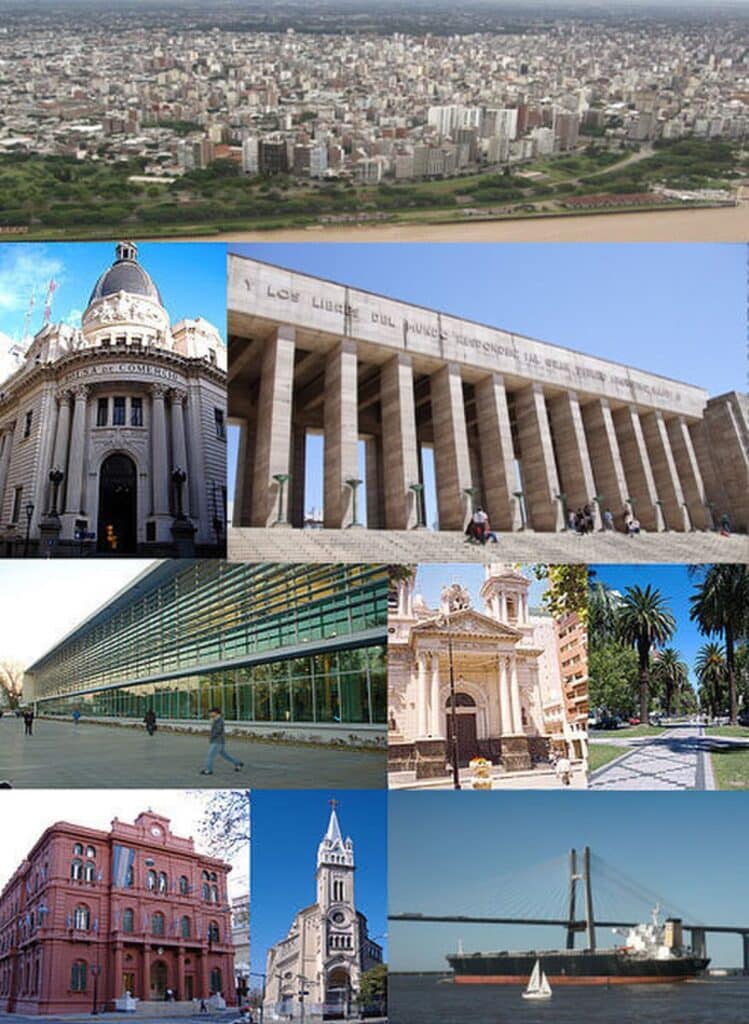
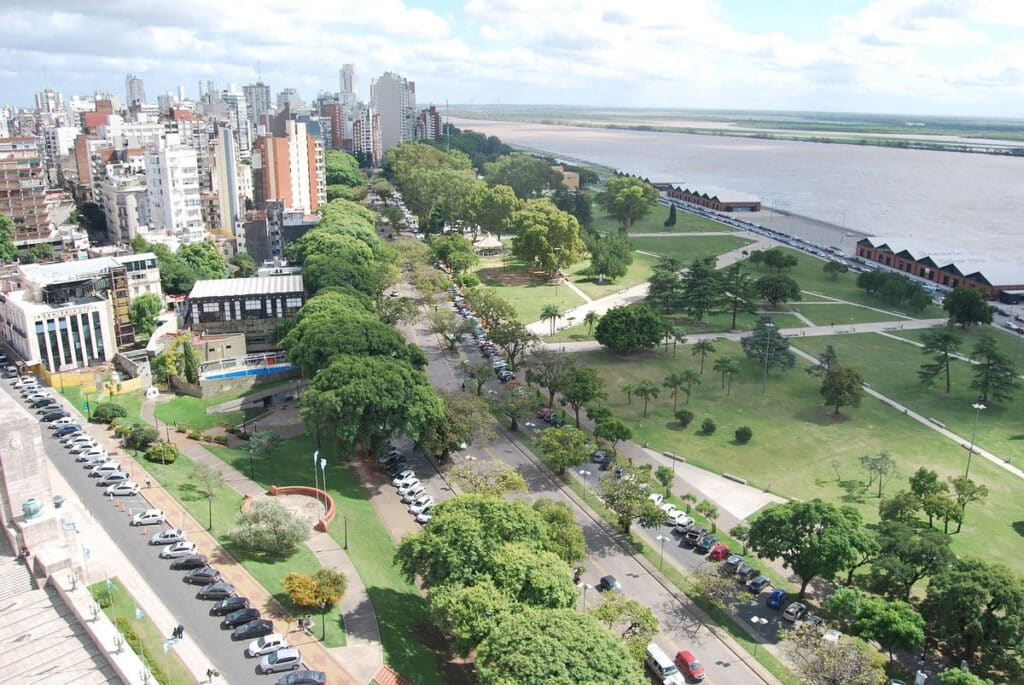
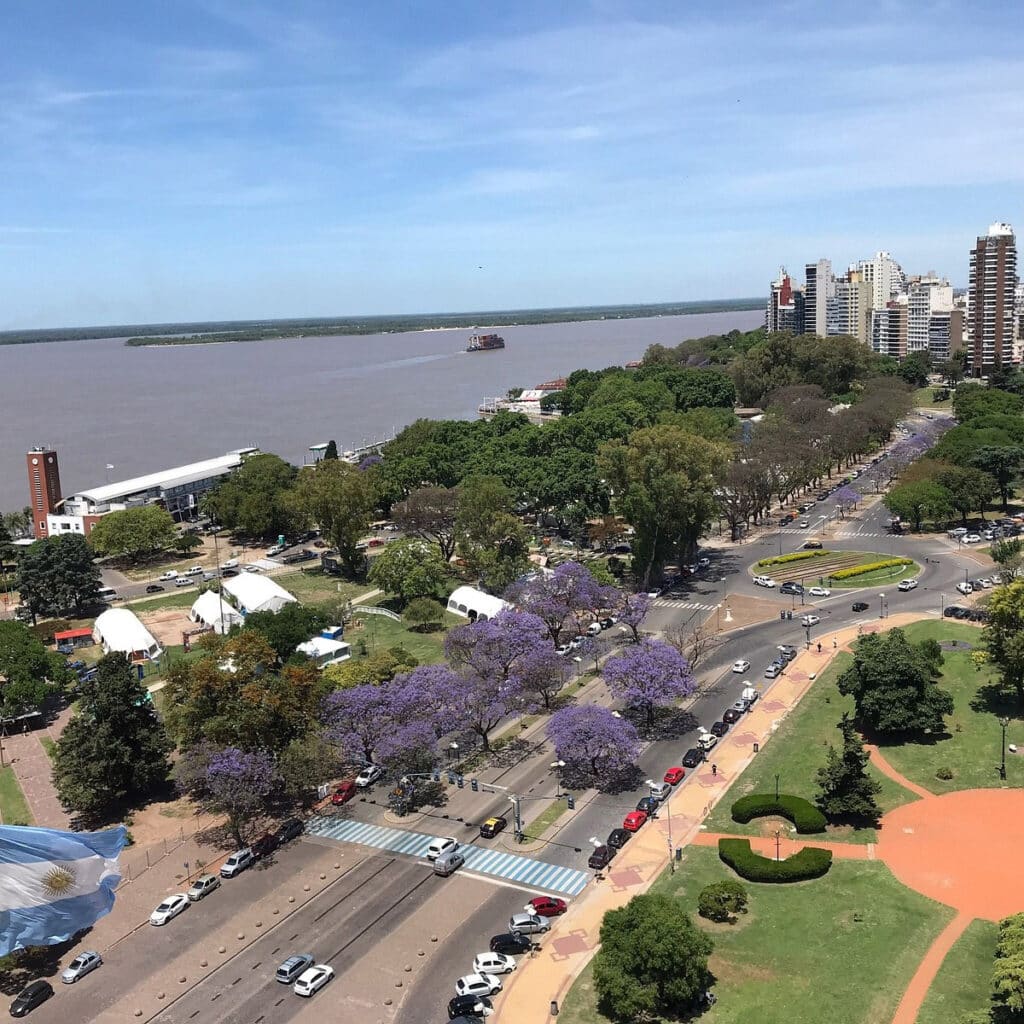


City Description
Rosario, the largest city in the central Argentine province of Santa Fe, is a vibrant urban center located 300 kilometers (186 miles) northwest of Buenos Aires on the west bank of the Paraná River. As the third-most populous city in Argentina and the most populous city that is not a capital, Rosario boasts a metropolitan area, Greater Rosario, with an estimated population of 1,750,000 as of 2020.
Rosario’s charm lies in its architectural beauty, featuring preserved neoclassical, Art Nouveau, and Art Deco buildings. These styles are evident in hundreds of residences, houses, and public buildings throughout the city, providing a picturesque backdrop that reflects Rosario’s rich cultural heritage.
The city serves as the head city of the Rosario Department and sits at the heart of Argentina’s major industrial corridor. Its strategic location makes Rosario a crucial railroad terminal and a significant shipping center for northeastern Argentina. The Paraná River, which is 10 meters (34 feet) deep, enables large ships to reach the city, making the Port of Rosario a key hub for exports. However, the port requires periodic dredging to manage silting.
Rosario’s economy is driven by both agricultural and industrial activities. The city exports a variety of goods, including wheat, flour, hay, linseed and other vegetable oils, corn, sugar, lumber, meat, hides, and wool. Additionally, Rosario is known for manufacturing products such as flour, sugar, meat products, and other foodstuffs. The Rosario-Victoria Bridge, opened in 2004, spans the Paraná River and connects Rosario with the city of Victoria across the Paraná Delta, further enhancing its role in regional trade and transportation.
Agricultural commerce plays a significant role in Rosario’s economy, placing the city at the center of ongoing debates over taxes on high-value agricultural goods like soy. This economic focus highlights Rosario’s importance in Argentina’s agricultural landscape.
Geographically, Rosario is situated in a fertile region along the Paraná River, which has historically supported the city’s agricultural and industrial activities. The city’s location and infrastructure, including its extensive rail and shipping networks, make it a vital logistical hub for the movement of goods within Argentina and beyond.
Culturally, Rosario is a city with a rich and diverse heritage. The city celebrates its patron, the Virgin of the Rosary, on October 7 each year, reflecting its deep-rooted traditions. Despite not having a specific individual founder, Rosario has developed a unique identity shaped by its historical and cultural influences.
The human resources in Rosario are diverse and well-educated, contributing to the city’s dynamic workforce. Educational institutions in the city provide a strong foundation for professional development, supporting various sectors of the economy. The vibrant cultural scene in Rosario, including theaters, museums, and art galleries, adds to the city’s appeal, making it a hub for both residents and visitors.
Rosario’s modern infrastructure, combined with its historical and cultural richness, makes it a dynamic and attractive city. Its role as a major industrial and agricultural center, along with its strategic location on the Paraná River, underscores its significance in Argentina’s economic landscape.
In summary, Rosario is a city that seamlessly blends historical charm with modern development. Its architectural beauty, strategic economic importance, and vibrant cultural scene make it a unique and vital part of Argentina. Whether exploring its historic buildings, engaging with its thriving industrial sector, or enjoying its cultural offerings, Rosario offers a multifaceted experience that reflects the essence of a city at the crossroads of tradition and progress.
Leave a Reply