


| Country | Syrian Arab Republic |
| Population | 709000 |
| Area | 58 km2 (22 sq mi) |
| Time Zone | UTC+2 (EET) |
| Coordinates | 35.53168, 35.79011 |
| Highest elevation | 11 m (36 ft) |
City Gallery






City Description
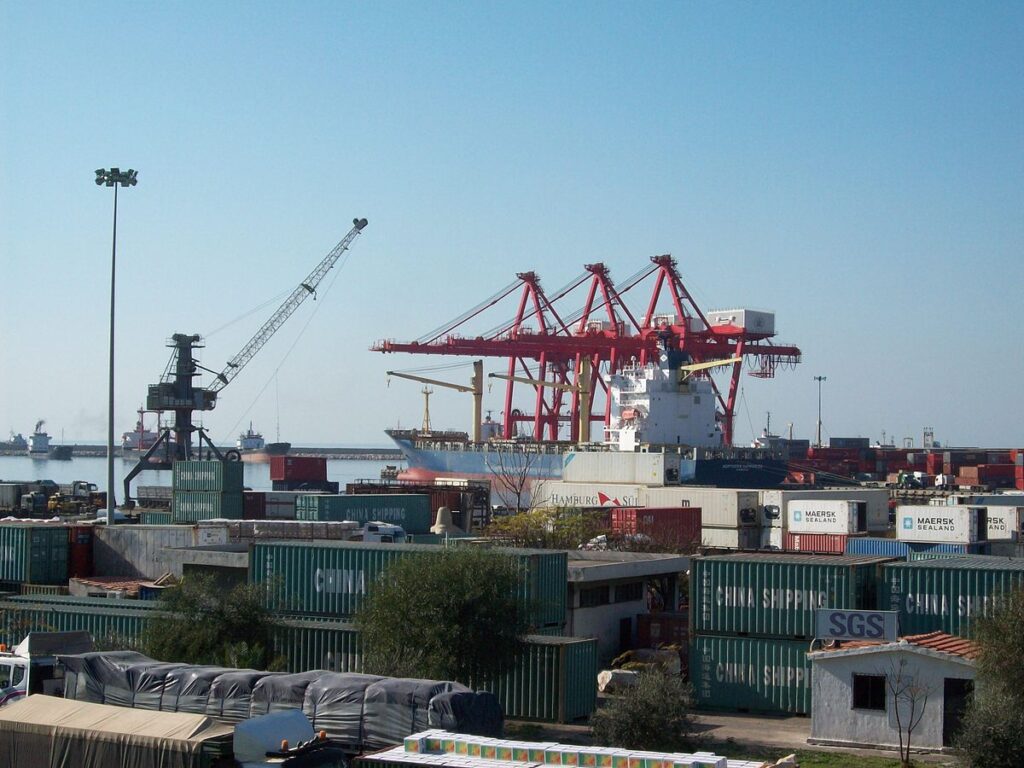
Latakia, the principal port city of Syria, is a vibrant and historically rich urban center located on the Mediterranean coast. As the capital of the Latakia Governorate, the city plays a crucial role in the region’s economy, serving as a major manufacturing hub for surrounding agricultural areas. With a population of approximately 709,000 as of 2023, Latakia has experienced significant growth, partly due to the influx of internally displaced persons from conflict-affected areas within Syria.
Latakia’s history dates back to the 2nd millennium BC, with continuous habitation at the site. The city itself was founded in the 4th century BC during the Seleucid Empire and was originally known as Laodicea in Syria or Laodicea ad Mare. Over the centuries, Latakia has seen various rulers, including the Romans, Byzantines, Rashiduns, Umayyads, Abbasids, Fatimids, Seljuk Turks, Crusaders, Ayyubids, Mamluks, and Ottomans. This diverse history has left a rich cultural and architectural legacy, evident in the city’s various historical sites.
Geographically, Latakia is bordered by Tartus to the south, Hama to the east, and Idlib to the north. The city is strategically positioned near Cyprus’s Cape Apostolos Andreas, which lies about 109 kilometers (68 miles) away. This coastal location has made Latakia a key maritime hub, facilitating trade and commerce across the Mediterranean.
Culturally, Latakia is a melting pot of various influences, reflecting its complex history and diverse population. The city’s vibrant cultural scene includes numerous festivals, local cuisine, and traditional crafts. The presence of historical sites, such as ancient ruins and Ottoman-era architecture, adds to the city’s cultural richness.
In terms of human resources, Latakia boasts a well-educated population, with several higher education institutions contributing to the city’s intellectual and professional landscape. The University of Tishreen, located in Latakia, is one of Syria’s major universities, offering a wide range of programs and fostering academic growth.
Economically, Latakia is a vital part of Syria’s infrastructure, with its port being one of the country’s main gateways for international trade. The port handles a significant portion of Syria’s imports and exports, making it an economic lifeline. Additionally, the city’s manufacturing sector, particularly in textiles, food processing, and construction materials, contributes to its economic stability and growth.
Despite the challenges posed by the ongoing Syrian Civil War, Latakia continues to thrive as a central hub of activity and resilience. The city’s strategic location, historical significance, and economic importance make it a pivotal player in Syria’s present and future development.
Leave a Reply