

| Country | China |
| Population | 1539300 |
| Area | 3,337 km2 (1,288 sq mi) |
| Time Zone | UTC+8 (China Standard) |
| Coordinates | 21.48349, 109.11549 |
| Highest elevation | 21 m (69 ft) |
City Gallery


City Description
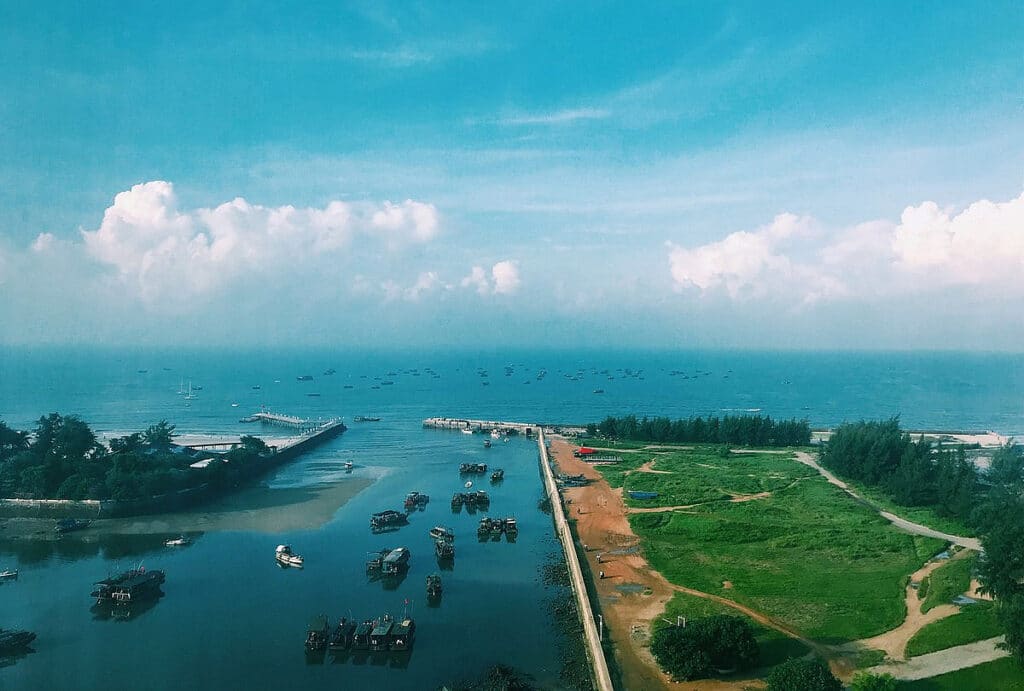
Beihai, located in the south of Guangxi, China, is a picturesque prefecture-level city renowned for its rich history, cultural heritage, and natural beauty. With a population of approximately 1.5 million, Beihai serves as an important seaport on the north shore of the Gulf of Tonkin. Historically, it played a crucial role as a trading port during the Qing Dynasty and was a significant point on the ancient Maritime Silk Road, facilitating trade for provinces such as Guangxi, Hunan, Hubei, Sichuan, Guizhou, and Yunnan.
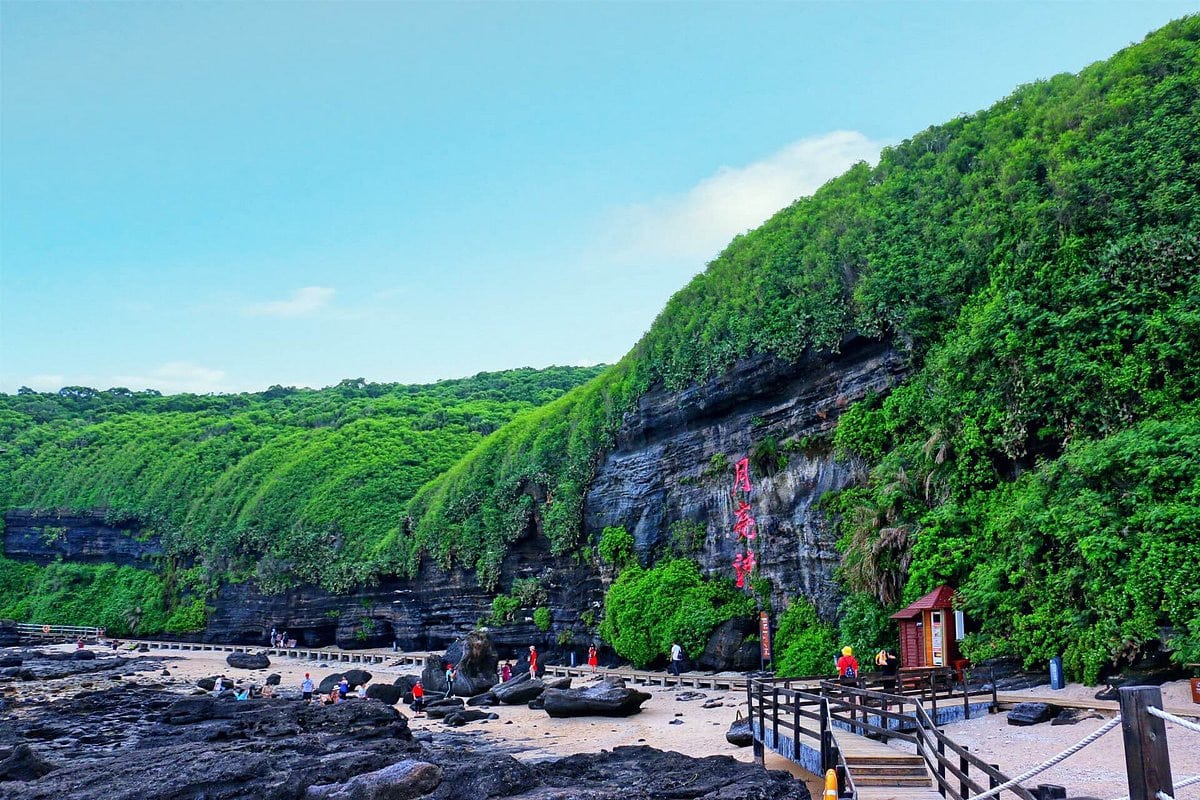
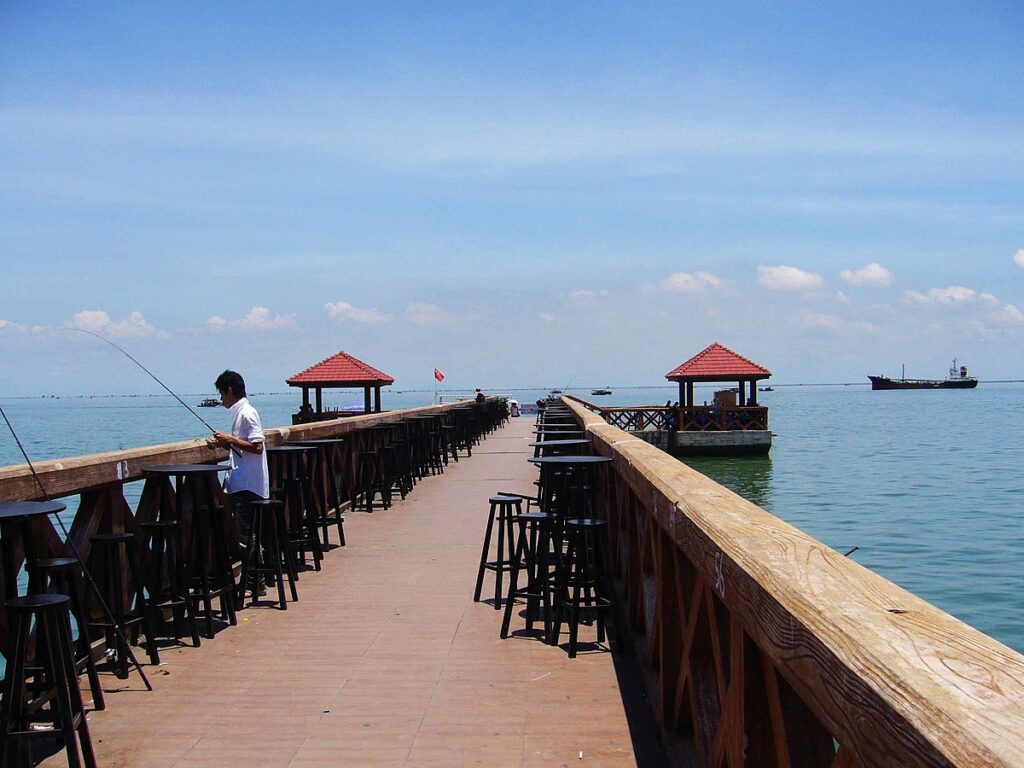
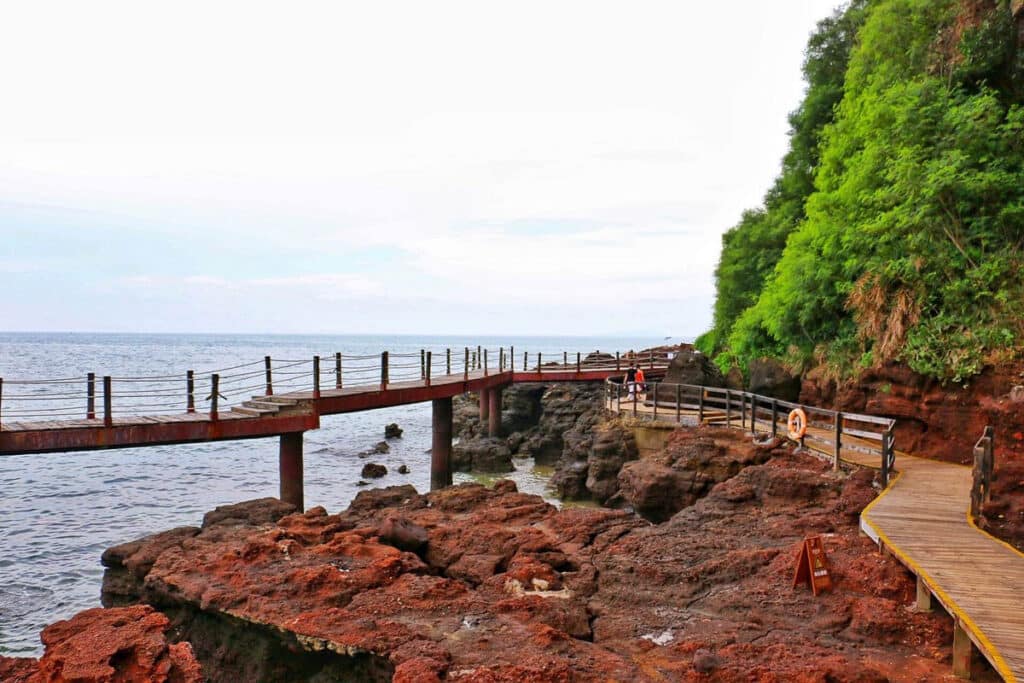
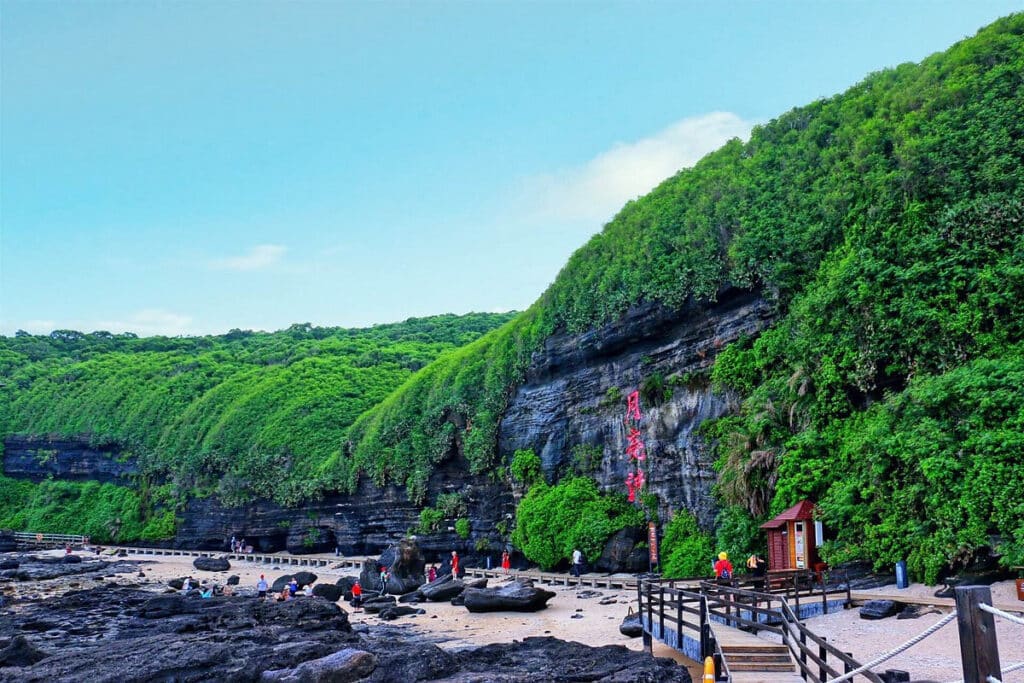
Geographically, Beihai is characterized by its coastal charm and scenic landscapes. The city administers several islands, including Weizhou and Xieyang, located west of the Leizhou Peninsula. Weizhou Island is particularly notable for its stunning volcanic landscapes and is considered one of China’s most beautiful islands. Its natural beauty, relaxed atmosphere, and recreational activities such as cycling, strolling, and angling make it a popular tourist destination. Beihai’s Silver Beach, known for its fine white sand and clear, warm waters, is another major attraction, offering a serene setting for relaxation and various recreational activities.
The city’s climate is subtropical, with abundant sunshine, plentiful rainfall, and high humidity throughout the year. This pleasant weather, combined with its coastal location, makes Beihai an ideal destination for those seeking a mix of cultural heritage and natural beauty.
Beihai has experienced rapid economic growth, particularly between 2006 and 2020, when it was predicted to be the world’s fastest-growing city. This economic boom is largely attributed to its thriving trade industry and a large shipyard supporting maritime activities. The city is an important hub for international trade and has significant infrastructure to support its growth.
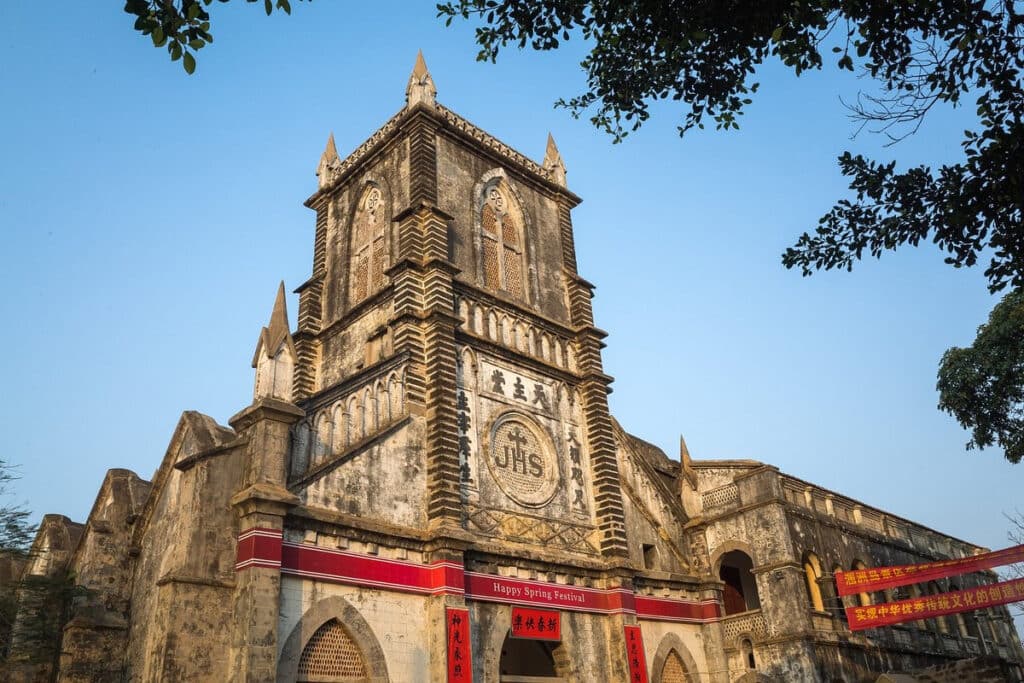
In terms of culture, Beihai’s architecture reflects its rich history, with several Western-style buildings from the era when it was a major trading hub. These historical structures provide a glimpse into the city’s past and its role in international trade. The city also boasts a variety of cultural and recreational facilities, including museums, parks, and theaters, contributing to its vibrant cultural scene.
Overall, Beihai’s blend of historical significance, economic vitality, and natural beauty makes it a unique and attractive destination in China. Whether exploring its scenic islands, relaxing on its famous beaches, or delving into its rich cultural heritage, visitors to Beihai are sure to find a city that beautifully combines the old and the new.
Leave a Reply