


| Country | Philippines |
| Population | 351437 |
| Area | 282.96 km2 (109.25 sq mi) |
| Time Zone | UTC+8 (PST) |
| Coordinates | 13.75, 121.05 |
| Highest elevation | 128 m (420 ft) |
City Gallery

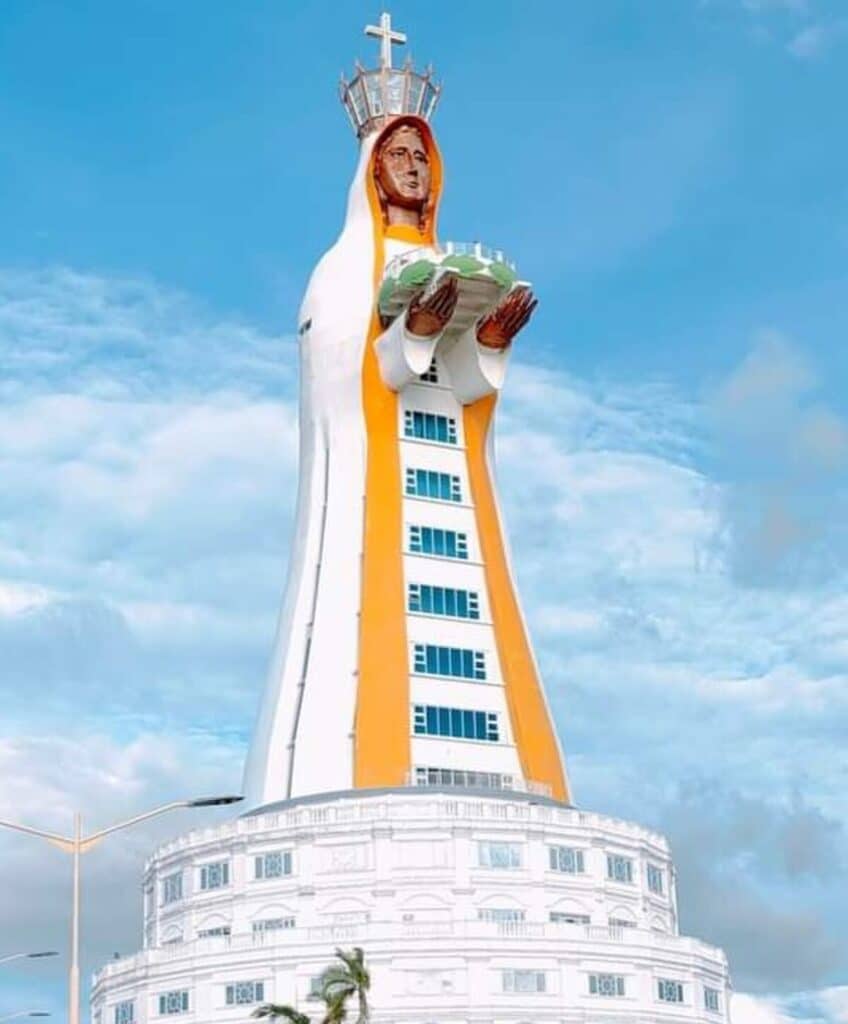
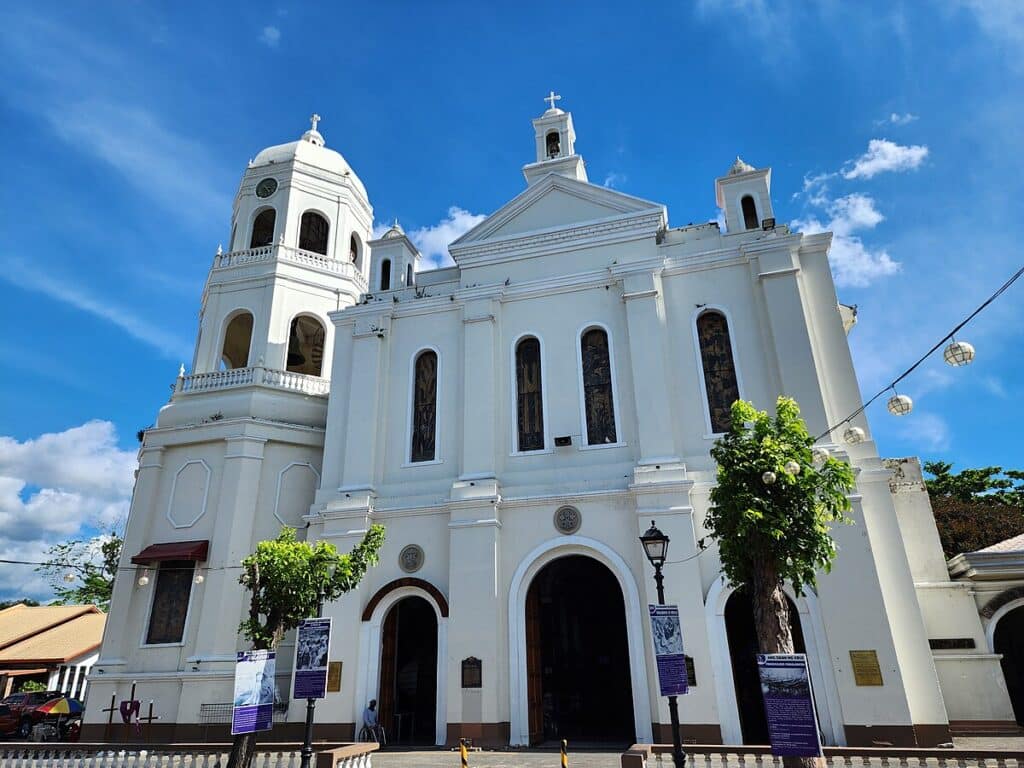

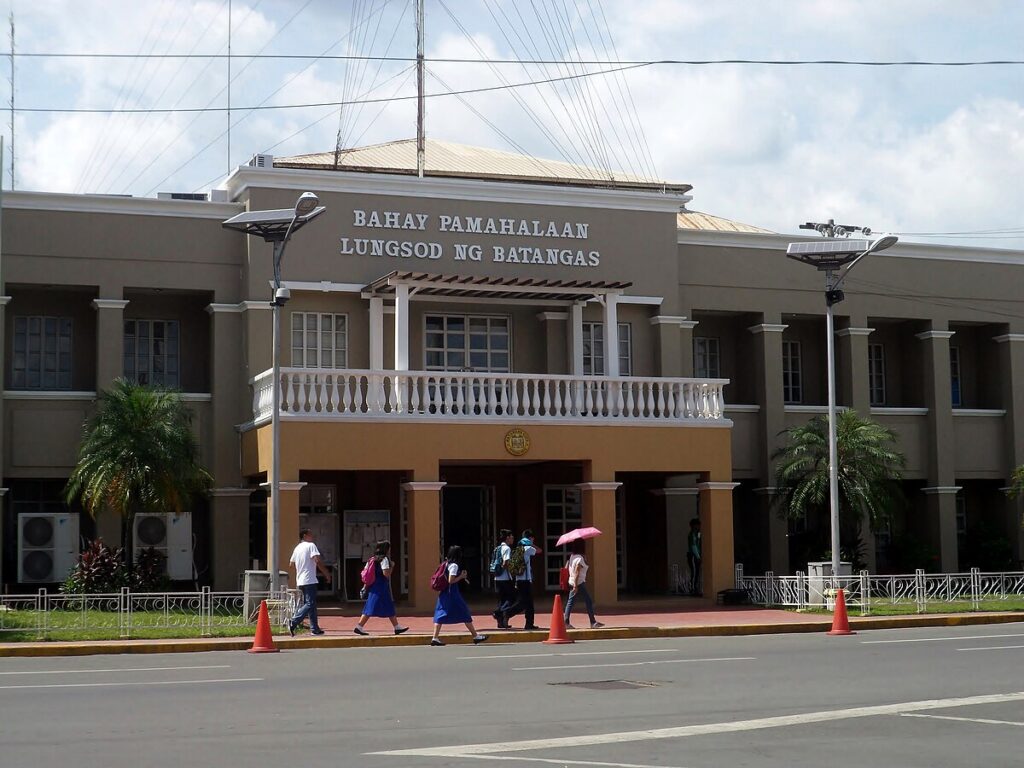


City Description
Batangas City, Philippines, is a bustling and vibrant coastal city known for its thriving port, rich history, and the stunning natural landscapes that surround it. Located in the Calabarzon region on the southwestern part of Luzon, Batangas City is the capital of Batangas Province and one of the Philippines’ primary commercial and industrial hubs. With a population of around 350,000, Batangas City blends the charm of small-town life with the energy of a busy port and economic center. Famous for its beautiful beaches, dive spots, and historic landmarks, Batangas City is a gateway to adventure and a pivotal part of the country’s economy.
Batangas City’s history dates back to the 16th century when Spanish colonizers arrived and formally established it as a town. The city was originally called “Kumintang,” which referred to an old region in the area and was associated with the traditional Kumintang song and dance. Over the centuries, Batangas City grew into an important trade and agricultural center, with its port facilitating trade between the Philippines and neighboring countries. By the 20th century, the port’s strategic location near Manila Bay and the South China Sea turned Batangas City into a central hub for commercial and passenger ships. In 1969, Batangas was granted city status, marking a new chapter in its development. Today, reminders of the city’s past can be found in historic churches, ancestral houses, and landmarks that reflect its cultural heritage.
Geographically, Batangas City is situated along the southeastern coast of Batangas Bay and is bordered by picturesque mountains and the rugged coastline. The city’s location gives it a tropical climate, with hot, dry summers reaching up to 34°C, while the rainy season, from June to November, brings cooling showers and lush landscapes. Batangas Bay, known for its deep waters and clear coastlines, is ideal for diving, snorkeling, and beach activities, with beautiful sites like Anilao nearby. The city’s proximity to the Taal Volcano, one of the Philippines’ most active volcanoes, adds to its dramatic landscape, while Mount Banoy offers trekking trails and scenic views. Batangas City is surrounded by fertile agricultural lands, allowing for the cultivation of rice, coconuts, sugarcane, and a variety of tropical fruits that are essential to the local economy.
Culturally, Batangas City is deeply rooted in Filipino traditions, with strong Spanish influences and a reputation for warm hospitality. The people of Batangas, known as Batangueños, are proud of their culture and are famous for their distinctive Tagalog accent, locally called “Ala eh.” Festivals are an essential part of life here, with the Sublian Festival being one of the most celebrated events in July, honoring the Batangueños’ devotion to the Holy Cross and featuring traditional dances, music, and religious rituals. Another popular festival is the Balsa Festival, held in nearby Lobo, where colorful rafts are paraded along the river, celebrating local fishing and farming traditions. The Batangas dialect, Tagalog-Batangueño, has a distinctive flair, and many locals continue to embrace traditional crafts, from embroidery to weaving. Ancestral homes, Spanish-era churches like the Basilica of the Immaculate Conception, and local museums preserve the city’s cultural heritage, providing residents and visitors with a deep sense of history and pride.
The people of Batangas City are known for their hardworking spirit and a strong connection to family and faith. Many Batangueños work in agriculture, fishing, and industry, with the port and the nearby industrial zones providing employment for a large number of residents. Education is highly valued, and Batangas City has numerous schools, colleges, and universities, including Batangas State University, which plays a significant role in the city’s academic and technical development. The university is a center for engineering, maritime studies, and environmental science, drawing students from across the Philippines and contributing to the local economy. Community life in Batangas City revolves around family gatherings, religious events, and local festivities, reflecting the Batangueños’ deep-rooted sense of unity and cultural pride.
Economically, Batangas City is a powerhouse, driven by its port, industrial sector, and agriculture. The Batangas International Port is one of the busiest in the Philippines and a major gateway for goods moving between Luzon and the Visayas and Mindanao regions. The port handles both commercial and passenger traffic, supporting industries from shipping to tourism. The city’s industrial estates, like the First Philippine Industrial Park (FPIP) and the Light Industry and Science Park (LISP), host companies in electronics, automotive, food processing, and more, providing thousands of jobs and boosting local development. Agriculture remains a key part of Batangas’ economy, with coconut, sugarcane, and coffee among the main crops. Batangas coffee, particularly the local Barako variety, is famous for its bold, distinct flavor and is a staple in local markets and homes. Livestock farming is also significant, with Batangas known for its lechon (roasted pig) and a strong tradition of cattle raising. Fishing, particularly for species like tuna and grouper, is an essential livelihood for coastal communities and supplies local markets and export industries.
Transportation in Batangas City is well-established, with multiple options for travel within the city and to neighboring areas. The city is accessible by road via the South Luzon Expressway (SLEX) and Southern Tagalog Arterial Road (STAR Tollway), which connect it to Manila, about 100 kilometers away. The Batangas International Port provides ferry and roll-on/roll-off (RORO) services to islands in the Visayas and Mindanao, making it an essential transport link. Within the city, jeepneys, tricycles, and buses are the primary modes of public transportation, making it easy for residents and tourists to get around. The city’s strategic location and accessible transportation options have made it a popular weekend destination for people from Metro Manila and other nearby regions.
Housing in Batangas City offers a range of options, from traditional Filipino houses to modern subdivisions and high-rise apartments. The city center is a mix of residential and commercial areas, with more compact homes and apartments that cater to young professionals, families, and students. New residential developments on the outskirts of the city provide larger homes with modern amenities, which appeal to families and retirees seeking a quieter lifestyle. Housing in Batangas City is generally more affordable than in Metro Manila, making it an attractive option for those who prefer a less hectic pace without sacrificing access to amenities. Waterfront properties and resorts also offer scenic views and easy access to the beach, attracting those who want a slice of coastal life.
Entertainment and recreation in Batangas City revolve around its natural beauty, outdoor activities, and vibrant festivals. The city’s coastal location makes it a popular spot for beachgoers and diving enthusiasts, with Anilao, just a short drive away, being a world-renowned dive site known for its rich marine biodiversity and clear waters. For those who prefer land-based activities, the nearby Mount Maculot and Mount Banoy offer challenging hikes with rewarding views of Taal Lake and the surrounding countryside. Historical sites, like the Basilica of the Immaculate Conception and the Museo de Batangas, provide cultural enrichment, while the city’s lively markets and shopping malls offer a range of dining, shopping, and entertainment options. The city’s nightlife is modest but welcoming, with bars, cafes, and restaurants offering local and international cuisine and showcasing the Batangueños’ love for food and social gatherings.
The food scene in Batangas City is a highlight, blending traditional Batangueño dishes with broader Filipino flavors. Local specialties include lomi (a thick noodle soup with meat, egg, and vegetables), bulalo (a beef shank soup with bone marrow), and goto Batangas (a savory tripe stew), all of which are must-tries when visiting. Seafood is also abundant, with fresh catches served in local restaurants or grilled at seaside eateries. Batangas is known for its coffee, with Kapeng Barako, a bold variety of Liberica coffee, being a local favorite, served in homes, markets, and cafes. Food stalls and markets around the city offer fresh produce, meat, and Batangas delicacies, providing an authentic taste of the region. Dining in Batangas City is both affordable and rich in variety, with options that cater to all tastes.
In recent years, Batangas City has focused on sustainable development, especially in protecting its natural resources and maintaining the cleanliness of its beaches and waters. Environmental initiatives, such as coral reef protection, tree planting, and waste reduction programs, have become priorities as the city grows. The local government has partnered with organizations to educate residents on sustainable practices, from responsible fishing to eco-friendly agriculture. Batangas City’s commitment to sustainability is visible in its clean streets, well-maintained parks, and community-led efforts to preserve the city’s natural beauty for future generations.
Batangas City is a place where tradition meets progress, offering a unique blend of economic vitality, rich culture, and natural wonders. From the bustling port and vibrant markets to the tranquil beaches and scenic mountains, Batangas City has something for everyone. It’s a city that balances its role as a commercial and industrial hub with the beauty and warmth of coastal life, making it an unforgettable destination and a place where visitors are always welcomed with open arms and a warm “Ala eh!”
Leave a Reply