


| Country | China |
| Population | 6536370 |
| Area | 26,853 km2 (10,368 sq mi) |
| Time Zone | UTC+8 (China Standard) |
| Coordinates | 27.30193, 105.28627 |
| Highest elevation | 1,723 m (5,653 ft) |
City Gallery



City Description
Bijie, China, is a fascinating prefecture-level city located in the northwestern part of Guizhou Province. It borders Sichuan to the north and Yunnan to the west, making it a strategic junction in the region. Known for its picturesque landscapes and rich cultural heritage, Bijie offers a unique blend of natural beauty and historical significance.
The city’s transformation began on November 10, 2011, when the former Bijie Prefecture was converted into a prefecture-level city. At the same time, the county-level city of Bijie was renamed Qixingguan District, which now serves as the administrative center of the larger Bijie area.
Bijie is geographically diverse, with rolling hills, deep valleys, and abundant water resources. One of the notable landmarks is the Daotianhe Reservoir, located to the north of the town. Commissioned in 1965, the reservoir has an impressive rated annual capacity of 6.5 million cubic meters. It plays a crucial role in irrigation, flood control, and water supply for the region.
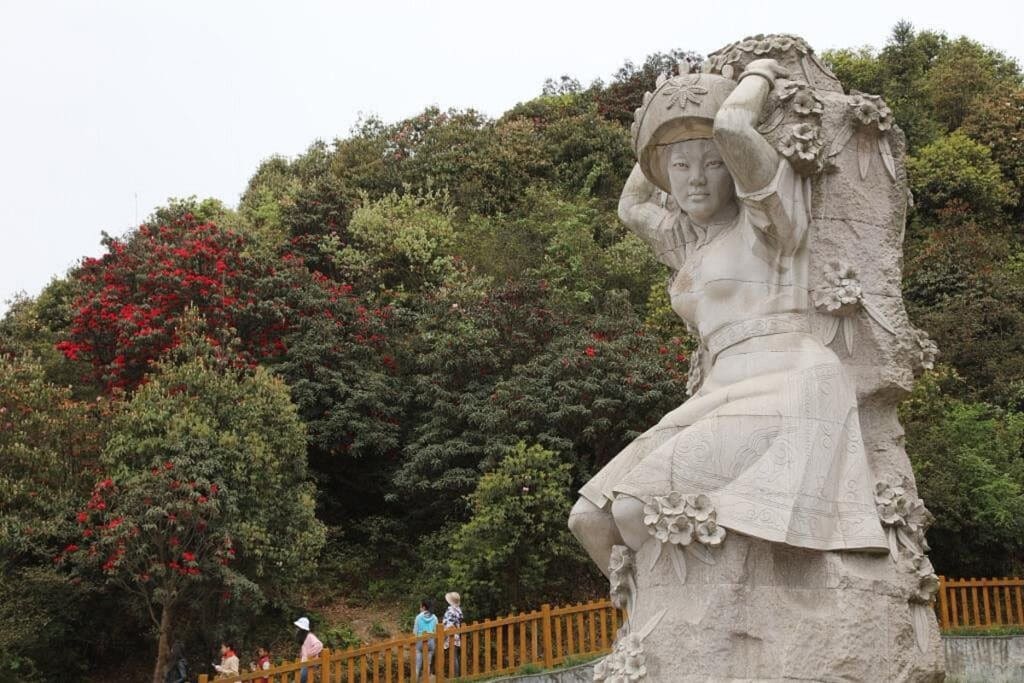
Culturally, Bijie is rich and varied. The city is home to several ethnic groups, including the Han, Miao, Yi, and Hui peoples, each contributing to the area’s vibrant cultural tapestry. Traditional festivals, folk dances, and unique culinary practices are integral to life in Bijie, offering a glimpse into the diverse heritage of its residents.
In terms of human resources, Bijie has been focusing on improving educational facilities and opportunities. The local government has invested in building schools and vocational training centers to develop a skilled workforce that can support the city’s economic growth. This emphasis on education is crucial for the region’s long-term development.
Economically, Bijie is transitioning from a predominantly agricultural base to a more diversified economy. While agriculture remains significant, particularly with crops like corn, potatoes, and tobacco, there is a growing focus on industries such as mining, energy, and tourism. The area’s abundant natural resources, including coal and minerals, have attracted significant investment, leading to the development of related industries.
Tourism is an emerging sector in Bijie, driven by its natural attractions and cultural heritage. The city’s scenic landscapes, including the vast karst formations and lush forests, make it a popular destination for eco-tourism and adventure travel. Efforts to promote sustainable tourism are underway, aiming to balance economic benefits with environmental conservation.
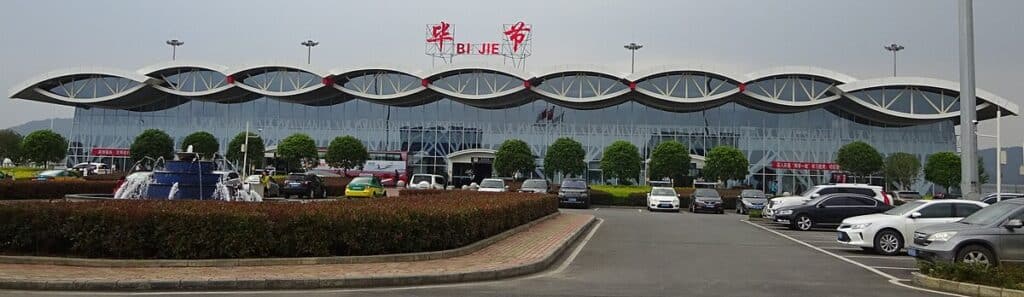
Transportation infrastructure in Bijie is improving, facilitating better connectivity within the region and beyond. The city is served by a network of highways and railways that link it to major urban centers in Guizhou Province and neighboring provinces. This enhanced connectivity is expected to boost trade, tourism, and overall economic development.
Bijie’s climate is characterized by mild winters and warm summers, typical of a subtropical highland climate. This favorable climate supports a variety of agricultural activities and contributes to the area’s lush greenery and diverse flora.
In summary, Bijie is a city on the rise, blending its rich cultural heritage with modern development. Its strategic location, diverse economy, and commitment to education and infrastructure make it a promising destination for both residents and visitors. Whether exploring its natural beauty, delving into its cultural traditions, or witnessing its economic transformation, Bijie offers a unique and enriching experience.
Leave a Reply