

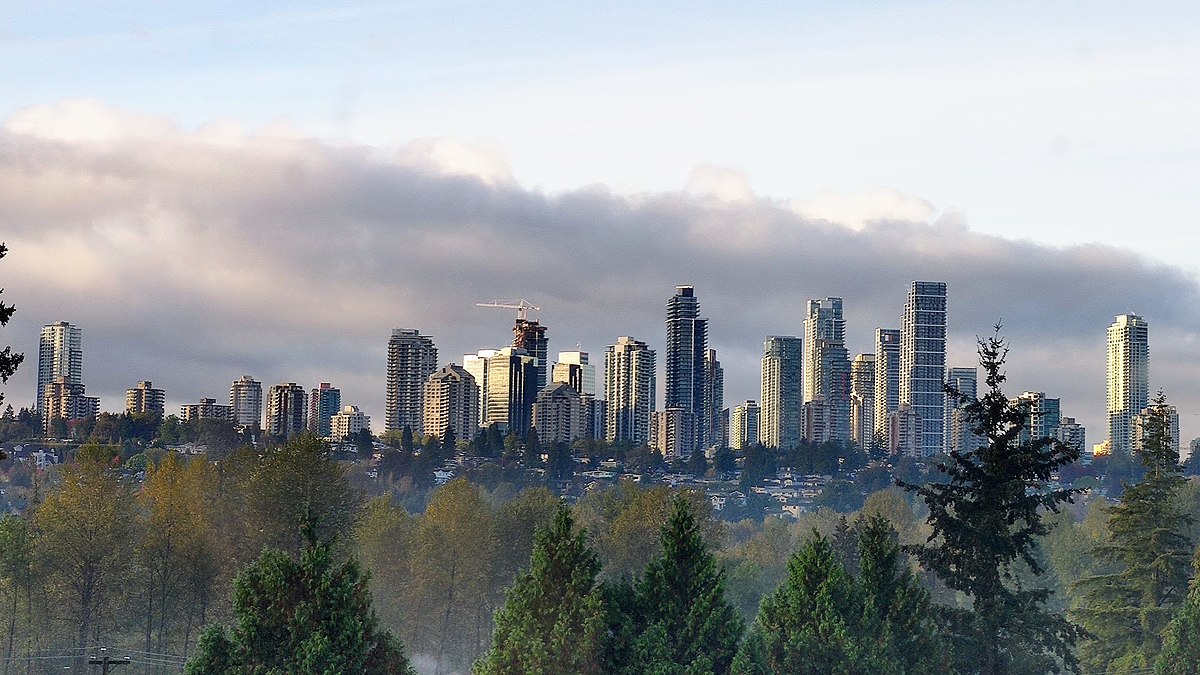
| Country | Canada |
| Population | 249125 |
| Area | 96.6 km2 (37.3 sq mi) |
| Time Zone | UTC−08:00 (Pacific Standard Time) |
| Coordinates | 49.266666666666666, -122.96666666666667 |
| Highest elevation | 370 m (1,214 ft) |
City Gallery




City Description
Burnaby, located in British Columbia, Canada, is a vibrant city that serves as a major part of the Greater Vancouver area. With a population of approximately 250,000 residents, Burnaby is the third-largest city in British Columbia and is known for its diverse communities, beautiful parks, and robust economy. The city offers a unique blend of urban living and natural beauty, making it a desirable place for families, professionals, and students alike.
Historically, Burnaby has roots that date back to the late 19th century when it was primarily agricultural land. The city was officially incorporated in 1892 and was named after Burnaby Lake, which itself was named after the Scottish village of Burnaby. The arrival of the railway in the early 1900s spurred growth and development, leading to a gradual shift from agriculture to urbanization. By the mid-20th century, Burnaby had transformed into a thriving suburban community, with an influx of residents drawn by the post-war economic boom. The construction of the Trans-Canada Highway and the development of major shopping centers, such as Metropolis at Metrotown, solidified Burnaby’s status as a regional hub.
Geographically, Burnaby is strategically located just east of Vancouver, bordered by the Fraser River to the south and the North Shore Mountains to the north. The city covers an area of approximately 90 square kilometers (35 square miles) and features a diverse landscape that includes forests, lakes, and parks. Burnaby is home to several significant natural attractions, including Burnaby Mountain, which offers stunning views of the city and surrounding mountains, and Deer Lake Park, known for its scenic walking trails and recreational facilities. The city experiences a temperate maritime climate, with mild, wet winters and warm, dry summers. Average temperatures in summer range from 20°C to 25°C, while winter temperatures hover around 0°C to 5°C.
Culturally, Burnaby is one of the most diverse cities in Canada, with over 40% of its residents identifying as immigrants. This multiculturalism is reflected in the city’s vibrant community events, festivals, and culinary scene. One of the most popular events is the Burnaby Festival of Lights, an annual summer celebration that features a stunning fireworks display and various cultural performances. The city also hosts the Burnaby Blues and Roots Festival, showcasing local and international musical talent.
Burnaby’s cultural scene is enriched by several institutions, including the Burnaby Art Gallery, which features exhibitions of local and international artists, and the Michael J. Fox Theatre, a well-known venue for performing arts. The city is also home to Simon Fraser University (SFU), one of Canada’s leading research universities, which contributes to the local culture and economy by attracting students from around the world.
In terms of cuisine, Burnaby offers a diverse range of dining options that reflect its multicultural population. From traditional Canadian fare to Asian, Indian, and Middle Eastern cuisines, there’s something for everyone. Popular neighborhoods like Metrotown and Hastings offer an array of restaurants, cafes, and food markets, making it easy for residents and visitors to explore various culinary delights.
Human resources in Burnaby are characterized by a well-educated and diverse workforce. The presence of Simon Fraser University, along with several other educational institutions, contributes to a highly skilled population. The city has a strong focus on education and lifelong learning, with numerous programs aimed at workforce development and training. Additionally, Burnaby is home to a large number of professionals working in various sectors, including technology, healthcare, and education.
Economically, Burnaby is a significant contributor to the regional economy, with a diverse mix of industries. The city is home to major employers, including Telus, a telecommunications company, and several large retail centers, such as Metropolis at Metrotown, which is the largest shopping mall in British Columbia. The city has also seen growth in sectors such as film and television production, with numerous studios located in Burnaby, making it a hub for the Canadian entertainment industry.
The city’s economy is bolstered by its strategic location and excellent transportation infrastructure. Burnaby is well-connected to the rest of Metro Vancouver through an extensive public transit system, including SkyTrain and bus services, making it easy for residents to commute to neighboring cities. The Trans-Canada Highway and other major roadways provide convenient access for businesses and travelers, further enhancing Burnaby’s economic prospects.
Tourism in Burnaby is supported by its natural beauty and recreational offerings. The city’s parks and outdoor spaces, such as Burnaby Mountain and Central Park, attract visitors looking for hiking, biking, and other outdoor activities. Additionally, Burnaby is home to several attractions, including the Burnaby Village Museum, which offers a glimpse into the city’s history with interactive exhibits and historic buildings. The city’s proximity to Vancouver also makes it a convenient base for exploring the greater region, drawing in tourists who want to experience both urban and natural attractions.
Infrastructure in Burnaby has seen significant investment in recent years, aimed at enhancing the quality of life for residents and improving public services. The city has prioritized sustainable development, with initiatives focused on green spaces, renewable energy, and reducing carbon emissions. Burnaby’s commitment to sustainability is reflected in its comprehensive plan to increase bike paths and public transit options, encouraging residents to use alternative modes of transportation.
Demographically, Burnaby is characterized by its cultural diversity, with residents from a variety of ethnic backgrounds. The city’s population is predominantly Asian, with significant communities of Chinese, Indian, and Filipino residents, contributing to the multicultural fabric of the city. This diversity is celebrated through various cultural events and community organizations, fostering a sense of belonging and inclusion for all residents.
Despite its many strengths, Burnaby faces challenges typical of urban areas, including housing affordability and traffic congestion. The city has been working to address these issues through urban planning, affordable housing initiatives, and investments in public transportation to improve accessibility and reduce congestion.
In summary, Burnaby is a dynamic city that seamlessly blends its rich history, diverse culture, and modern amenities. Known for its strong economy, educational institutions, and vibrant communities, Burnaby offers a unique experience that captures the essence of life in the Greater Vancouver area. Whether you’re exploring its parks, enjoying its culinary offerings, or attending cultural events, Burnaby provides a welcoming environment that reflects the best of Canadian urban living. As the city continues to grow and evolve, it remains a vital part of British Columbia’s cultural and economic landscape, balancing tradition with the aspirations of a modern, diverse community.
Leave a Reply